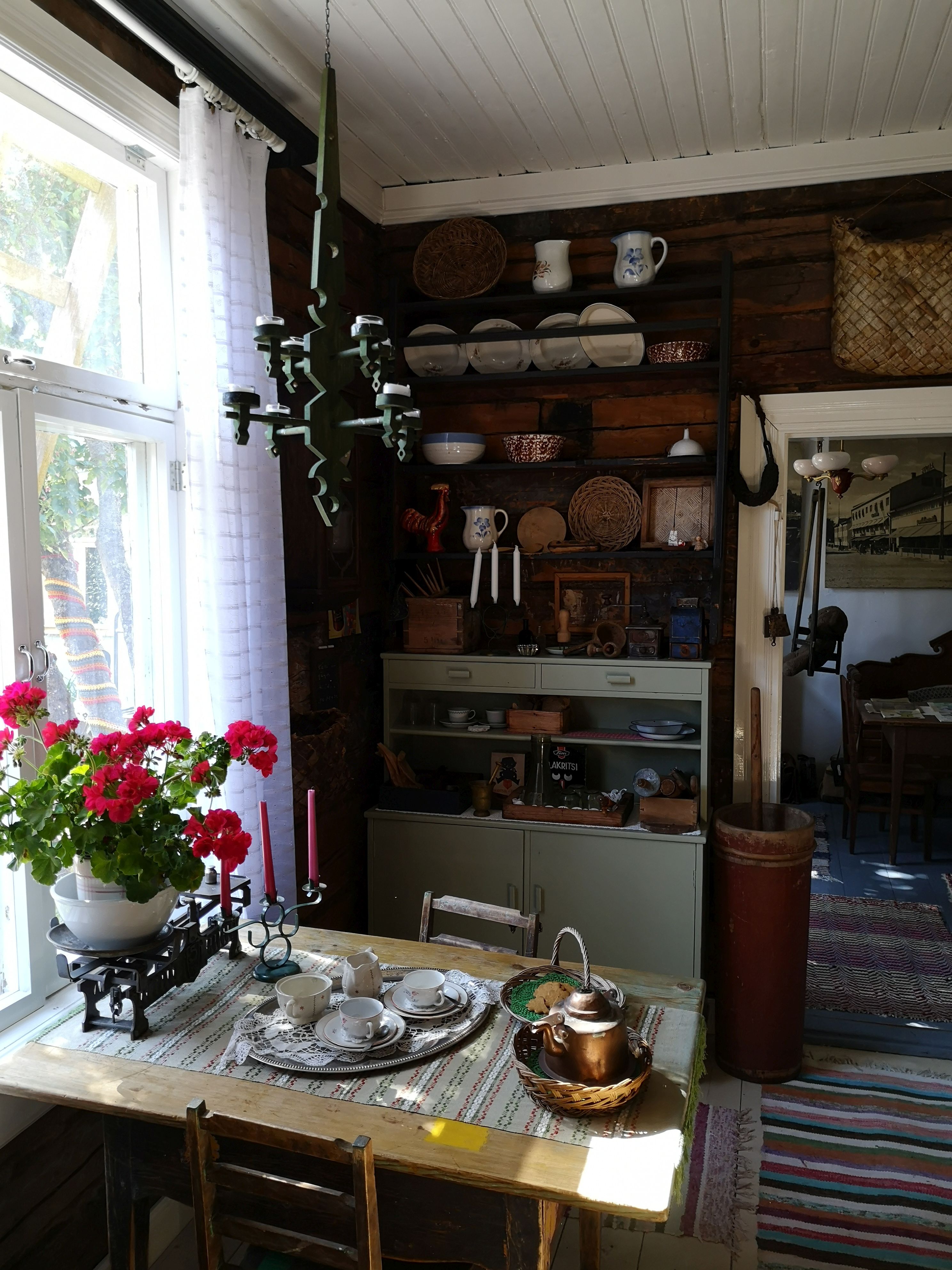
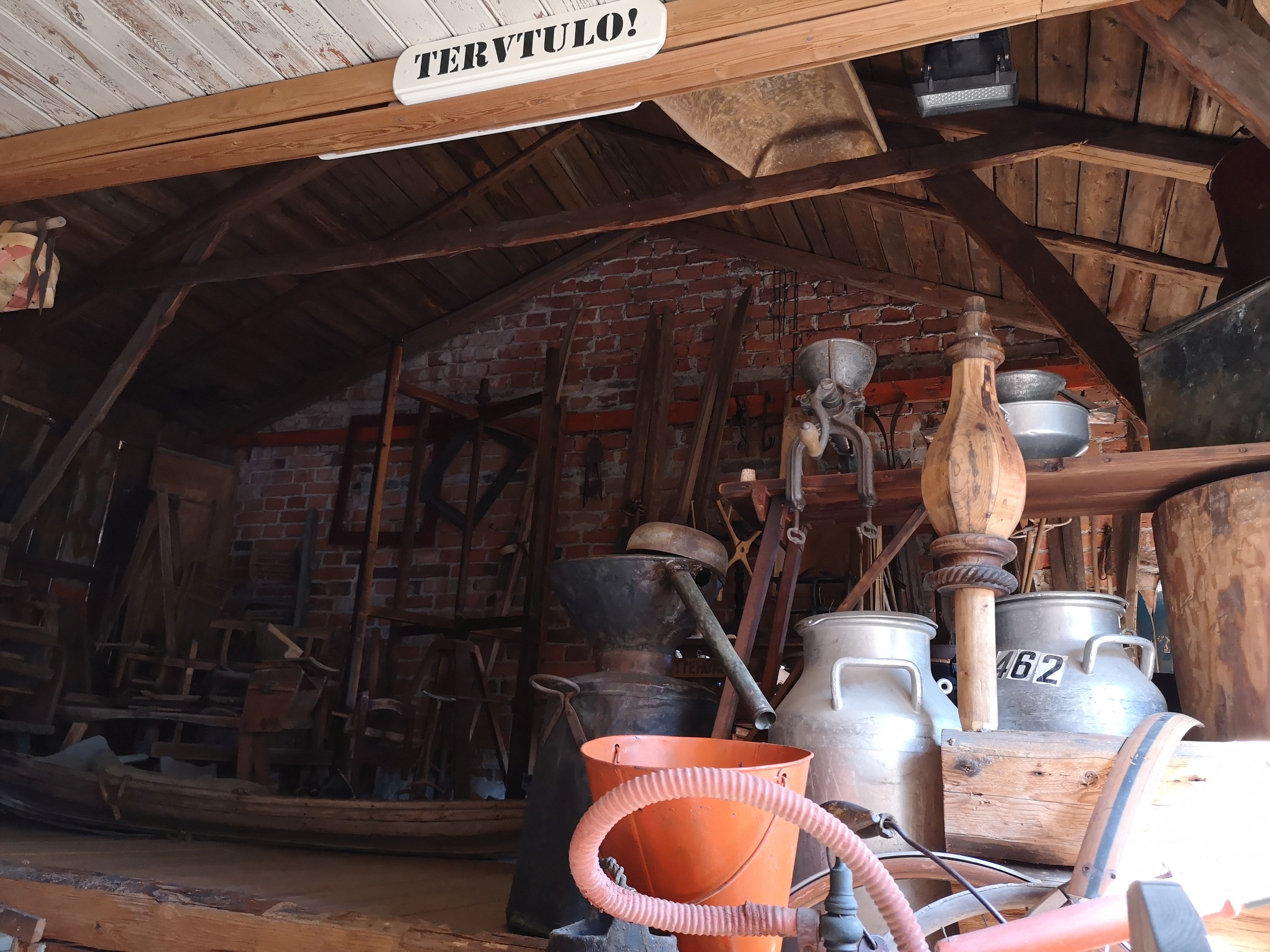
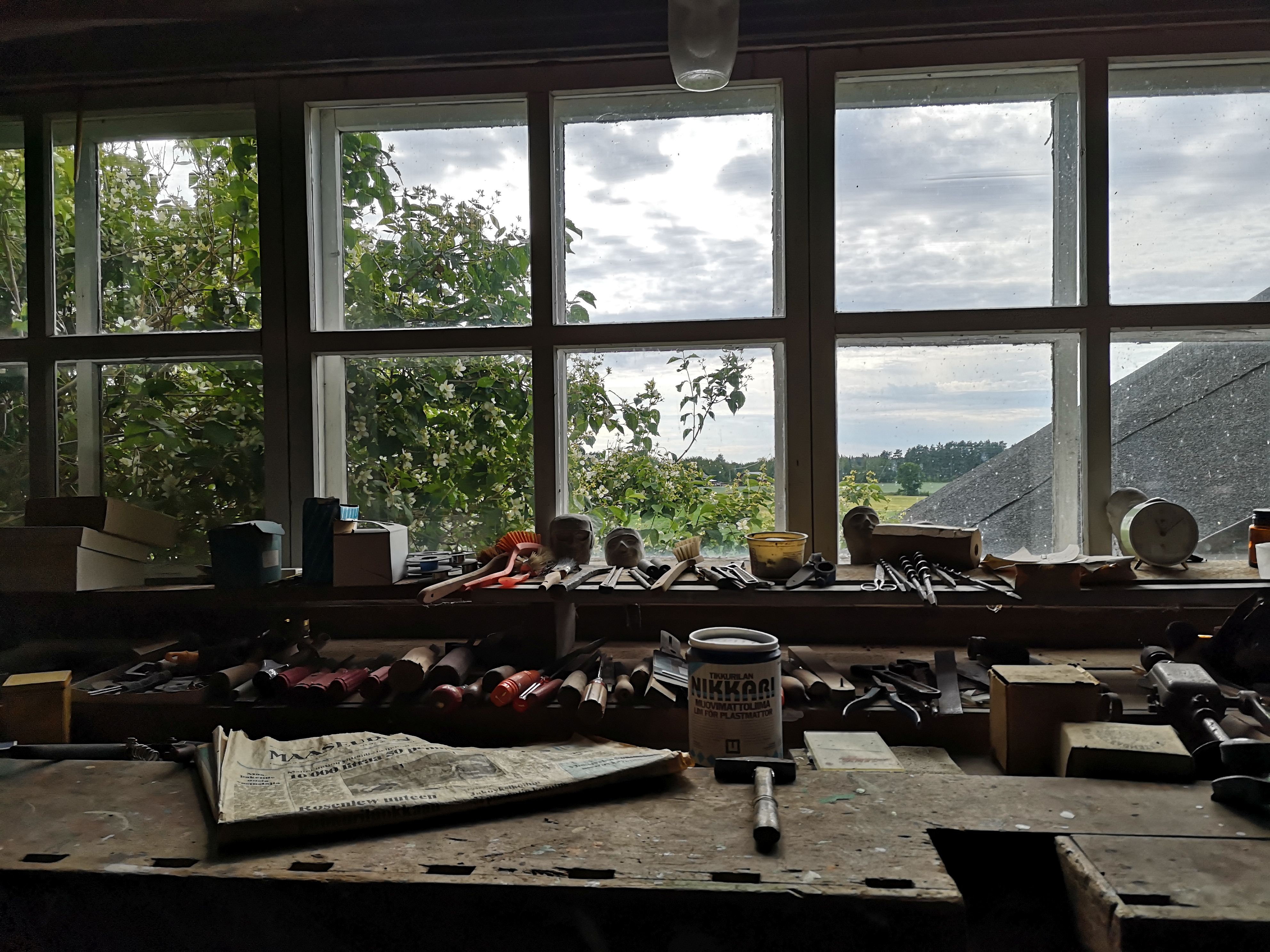
Tapio Nurmi and his wife have a private museum in Old Rauma. They open it for the public to see for free. Often do I get a request from visitors to see a yard in the old town. So when you come for a tour, I try to get you to see the pearls of Eteläpitkäkatu 30.
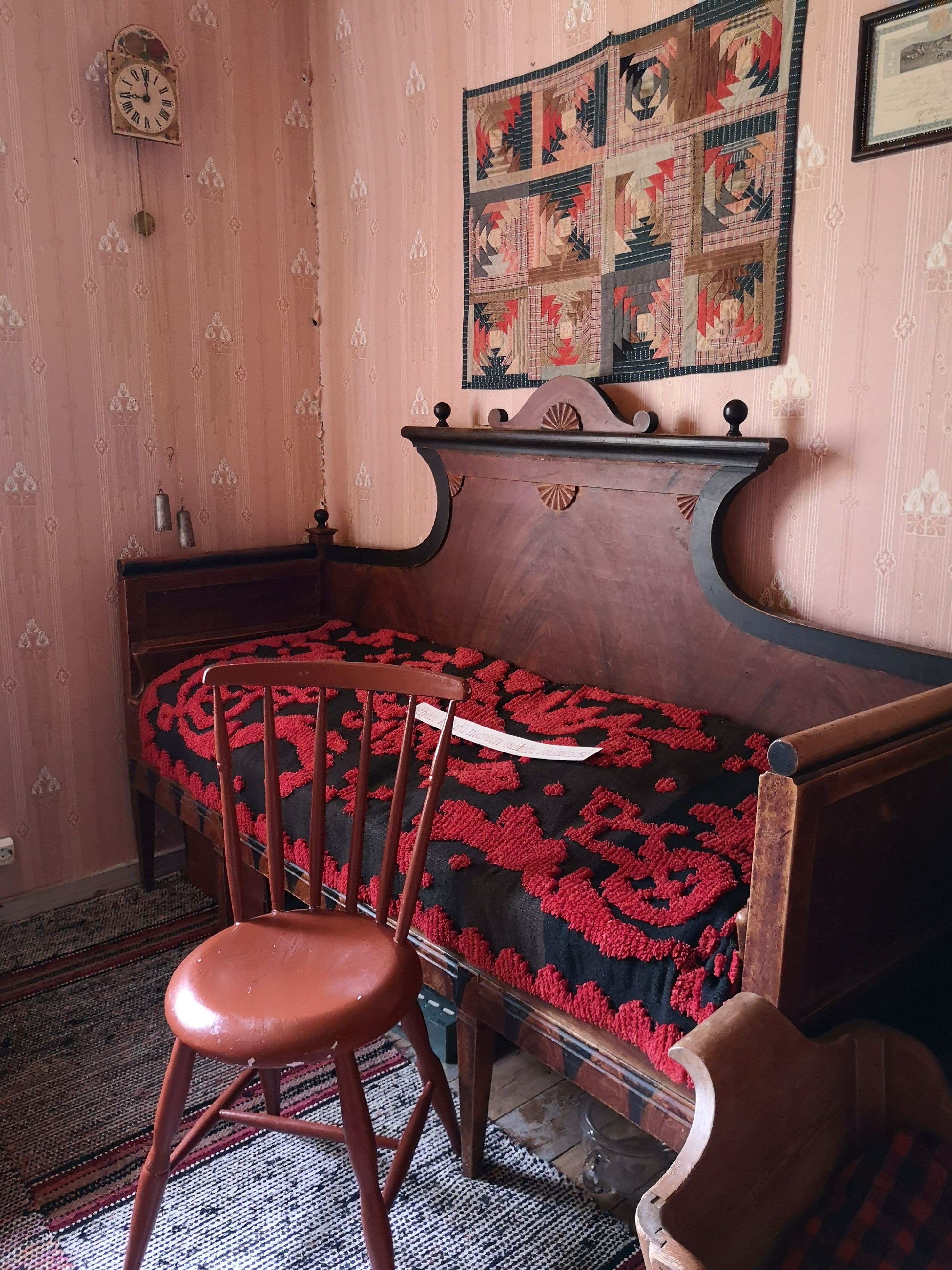
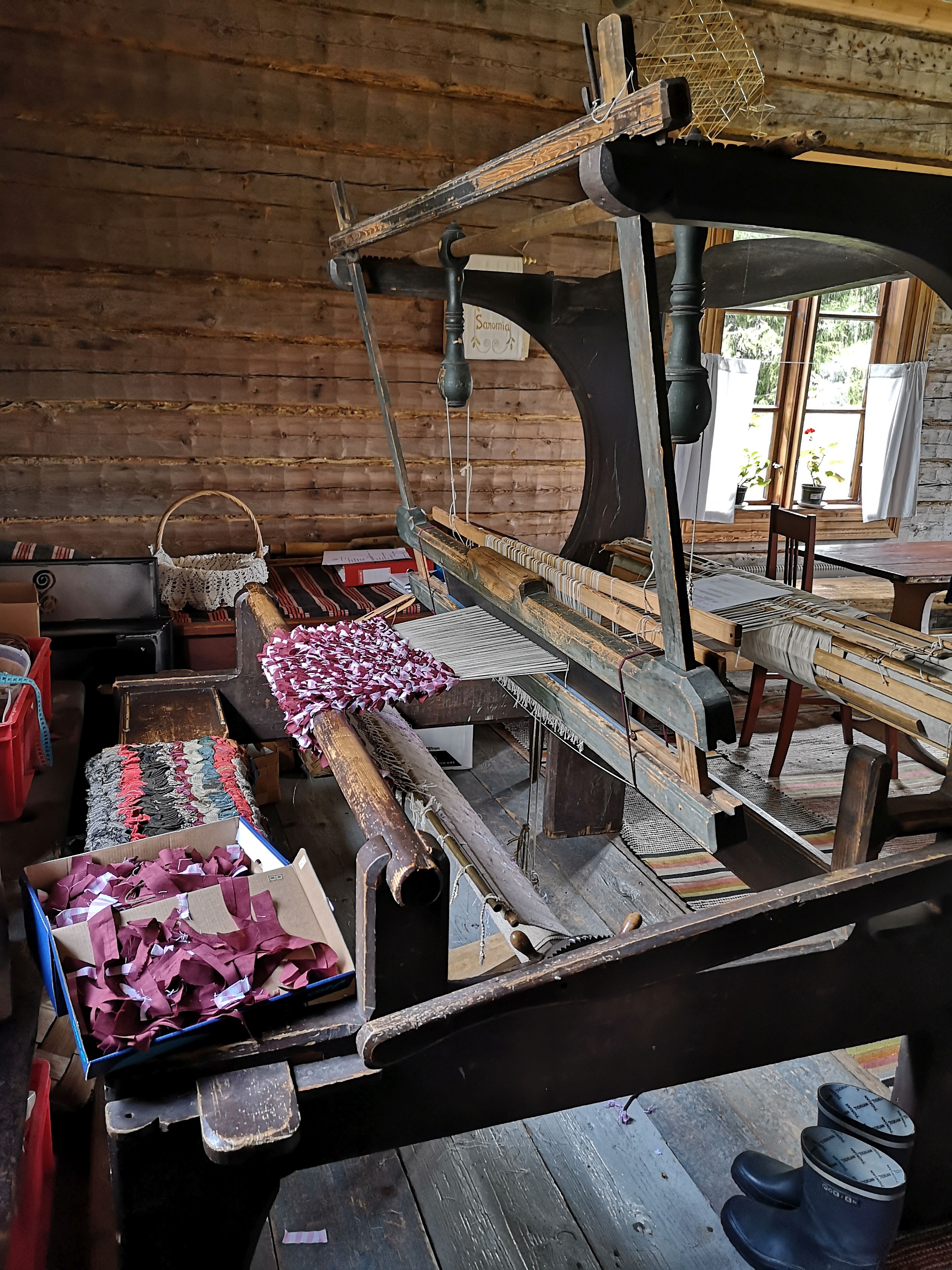
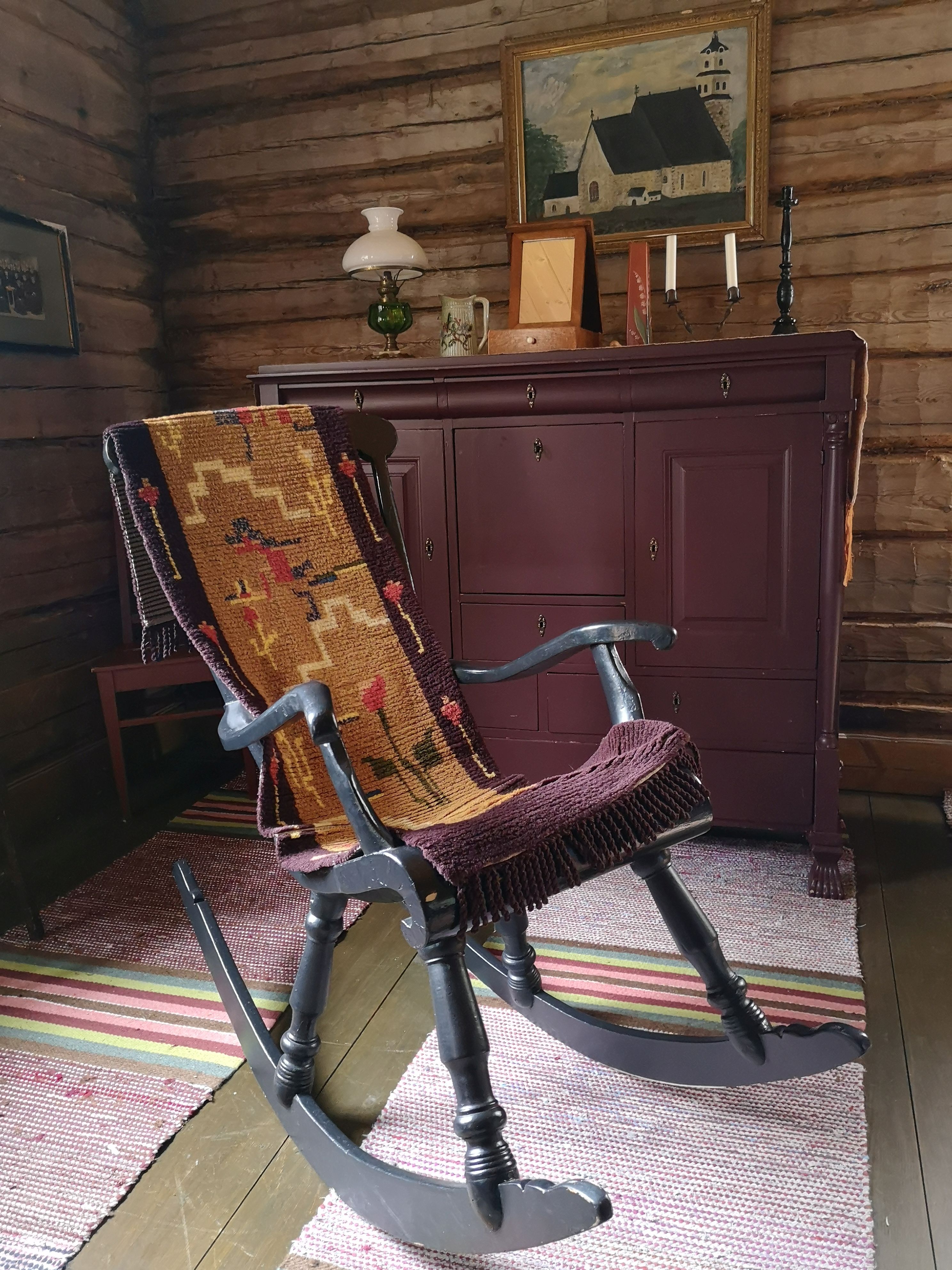
The homes those days weren’t so overloaded with things, I guess. But it is wonderful to see all that. Feels like a home, not a museum.
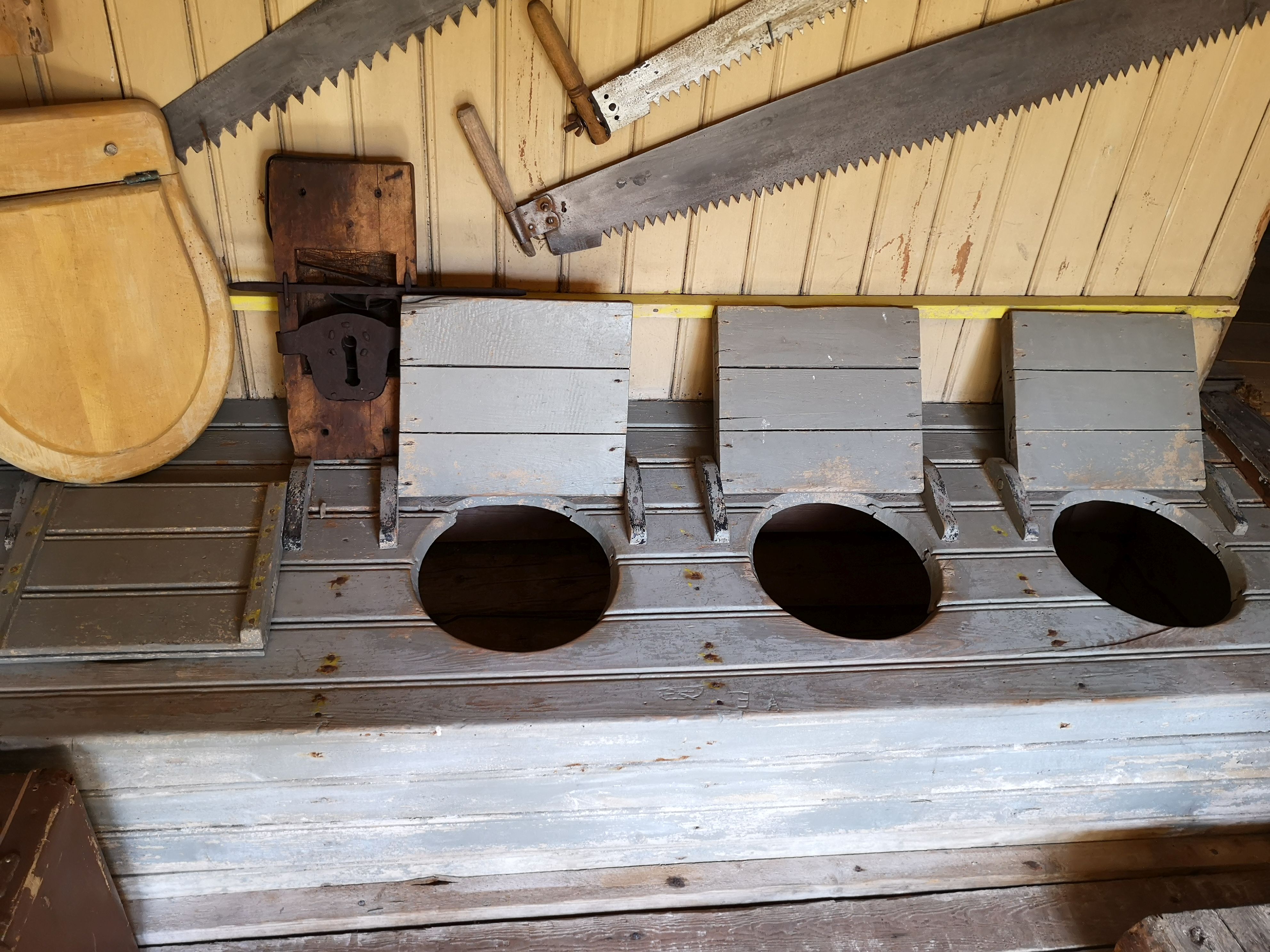
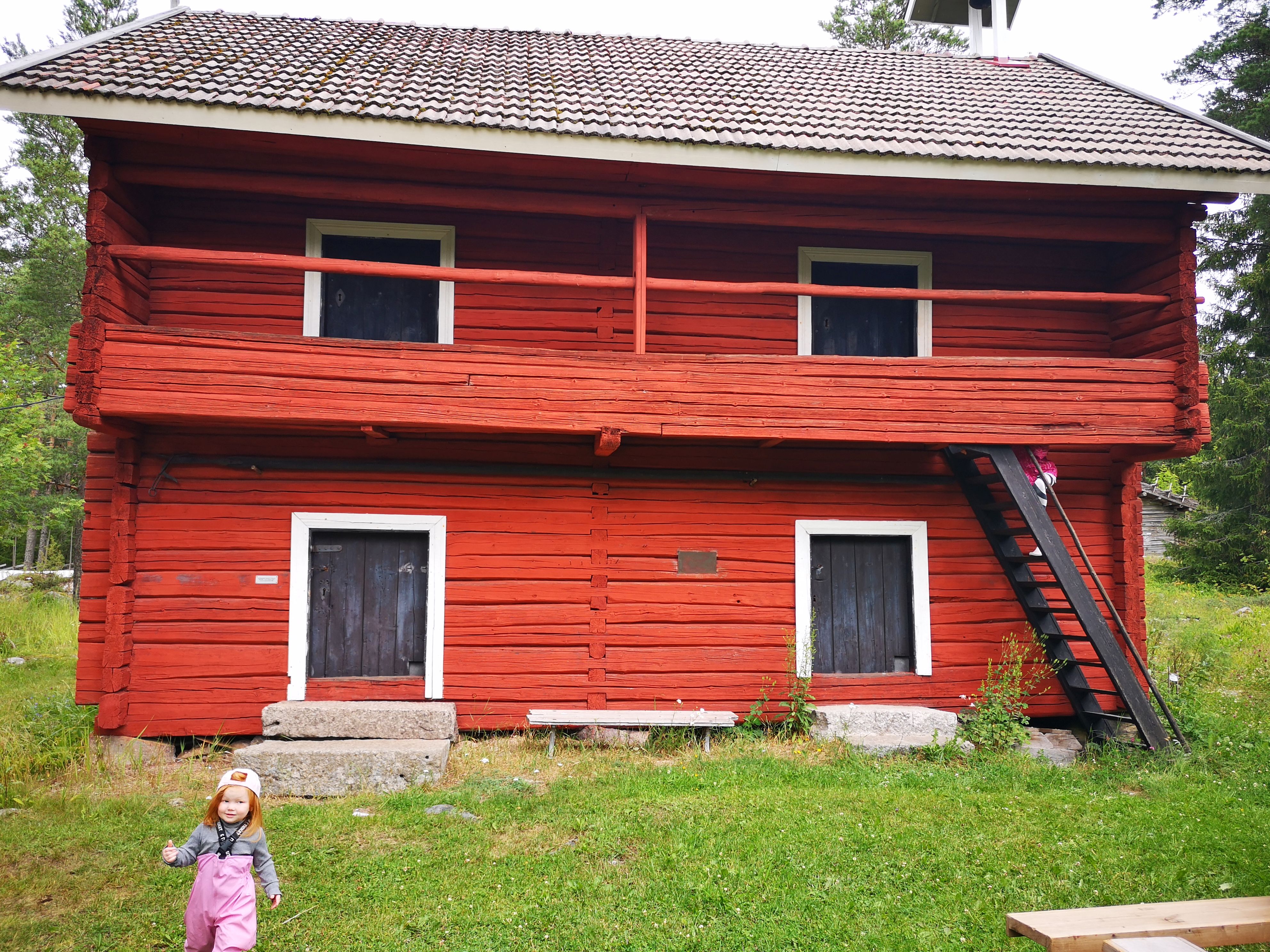
The storage rooms had a toilet on second floor, with dirt falling on first floor. The excrement of domestic animals were collected there as well. Remember, the sewage system came in 1935.Imagine sitting there next to your neighbor and discussing daily politics. Or why else would it be 4 seats next to each other?
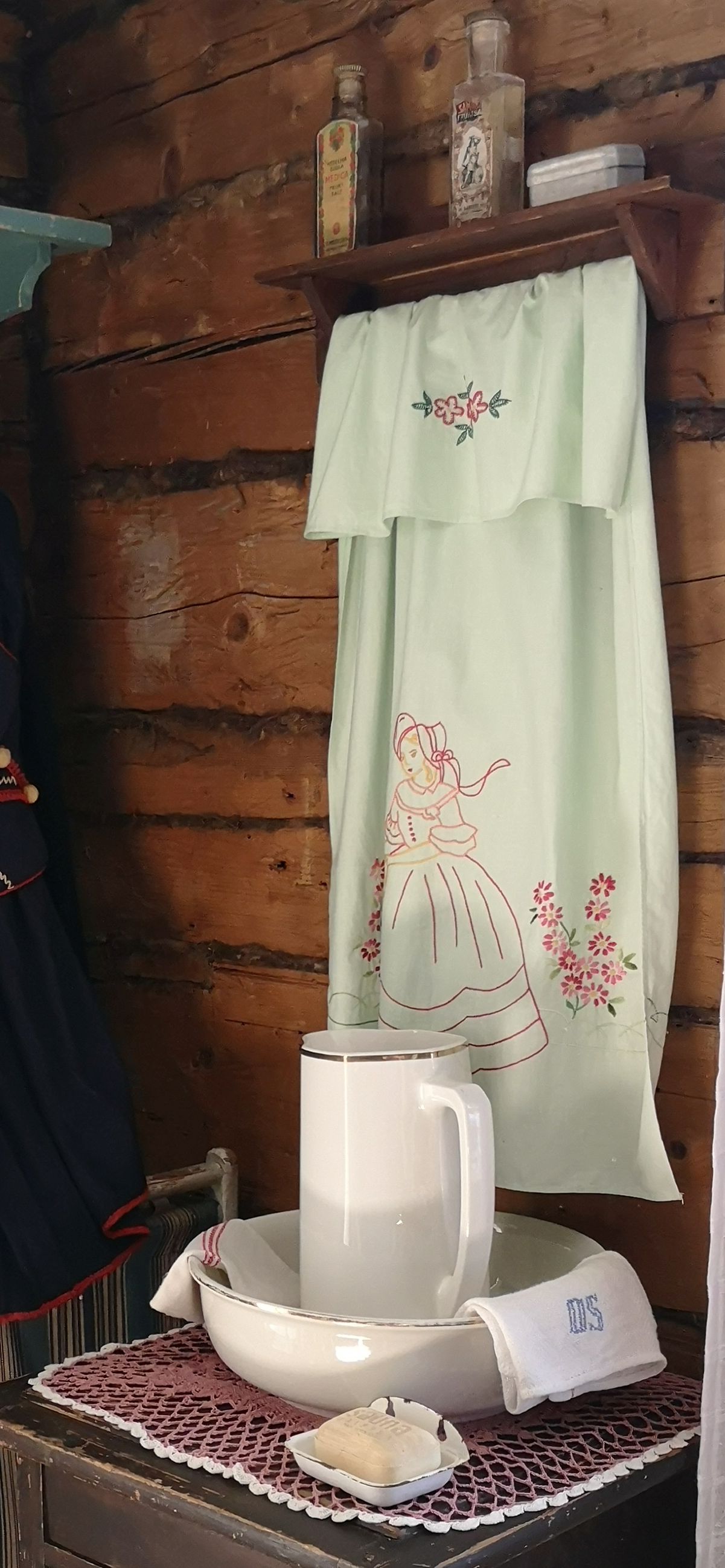
bathroom corner
wallpapers on show
toilet
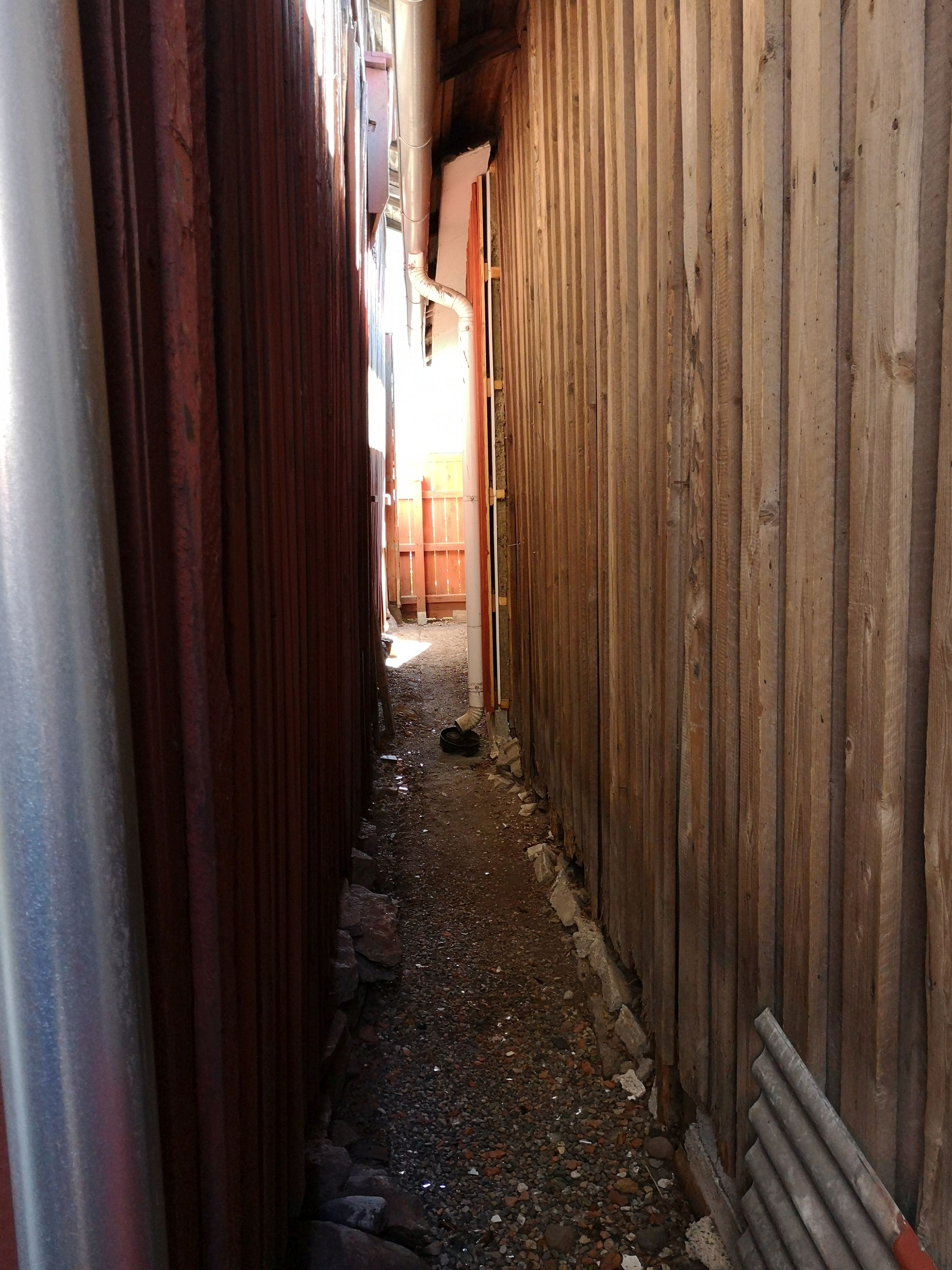
fire corridor
It is called a WÄLMLÄ HOME MUSEUM, but they have no website.
The city
government of Rauma is represented by such professions as a chef, a nurse, a
police constable, a pharmacist, a school lecturer, a curator, a product engineer,
a stevedore and a number of salesmen and entrepreneurs. As a rule, the city government
meets every Monday.
chairman of the Rauma city government Kalle Leppikorpi
The chairman of the city government is a social democrat Kalle Leppikorpi. We see him in the newspapers commenting on city decisions and we see him at the store working as a security guard the other half time! So I caught him with a camera to ask a few questions. Rauma city government members (see here)
He said he liked
working that way, partly as a spokesman and partly doing something else. He has
small kids at home, whom he can take care of from now and then when mother is
busy.
Finland is a
country of gender and profession equality. All of the professions are respected
and paid accordingly. If it were only politicians at the city government, their
decisions could be far from realistic.
Rauma city council has 43 councilors and they get together on the last Monday of each month. 18 members of the city council are members of the currently Finnish leading Social Democratic party (that is led by Antti Rinne).
The Prime Minister
of Finland, Antti Rinne, is actually planning to visit Rauma quite soon, on
August 9th. He has a speech at the Rauma Marketplace (in front of the town
hall) from 6 pm to 7 pm. People sing and coffee is served.
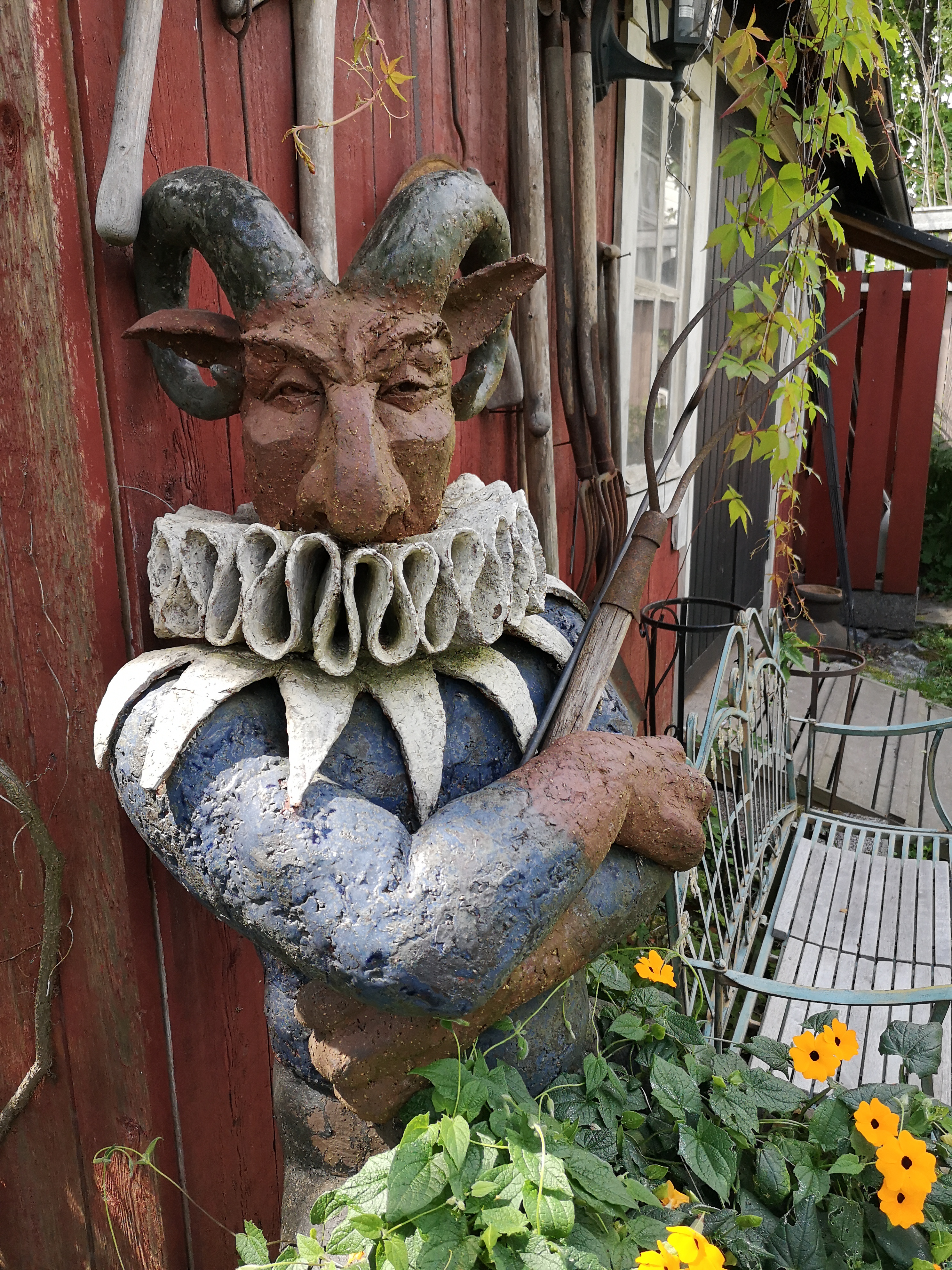
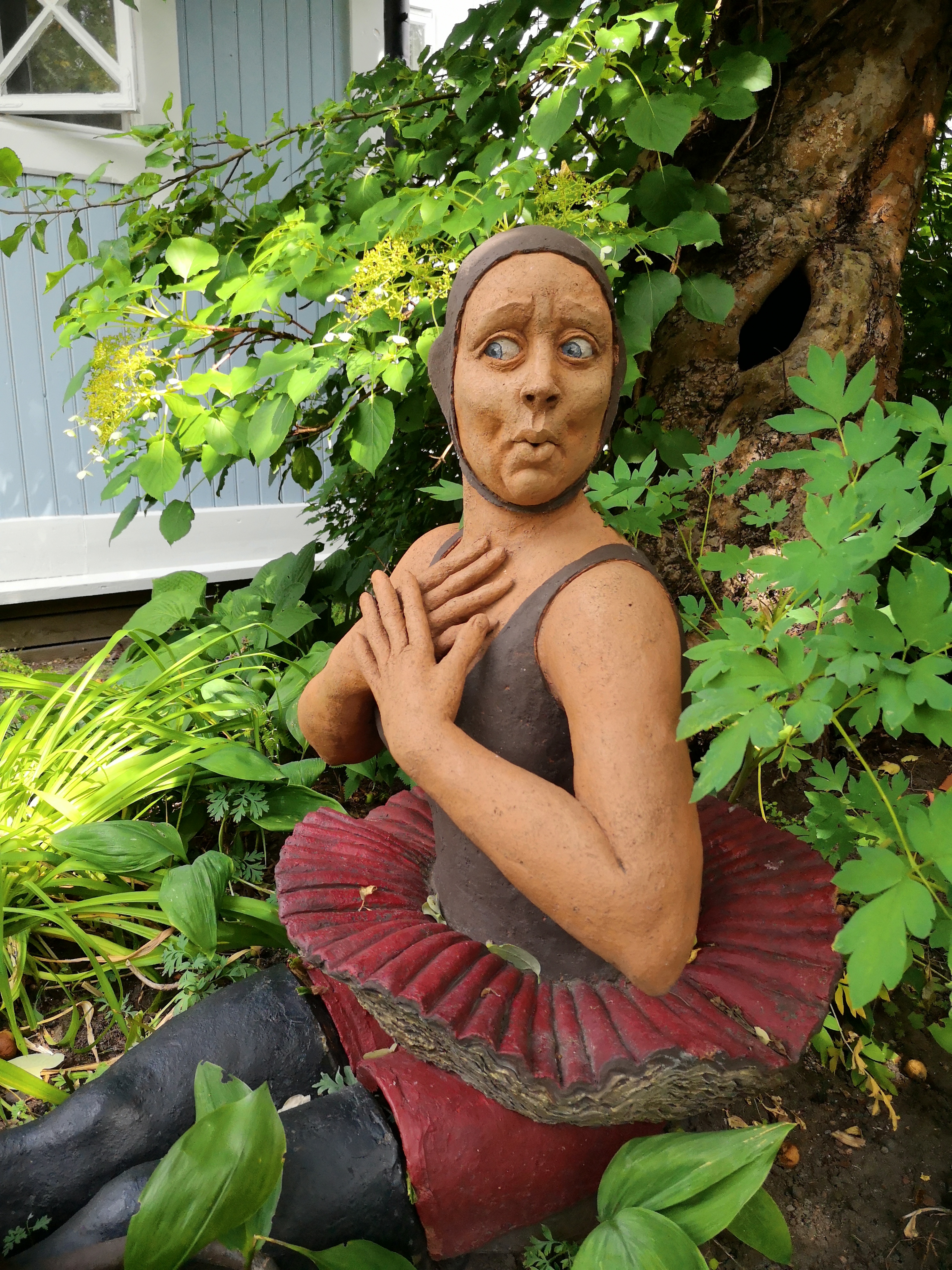
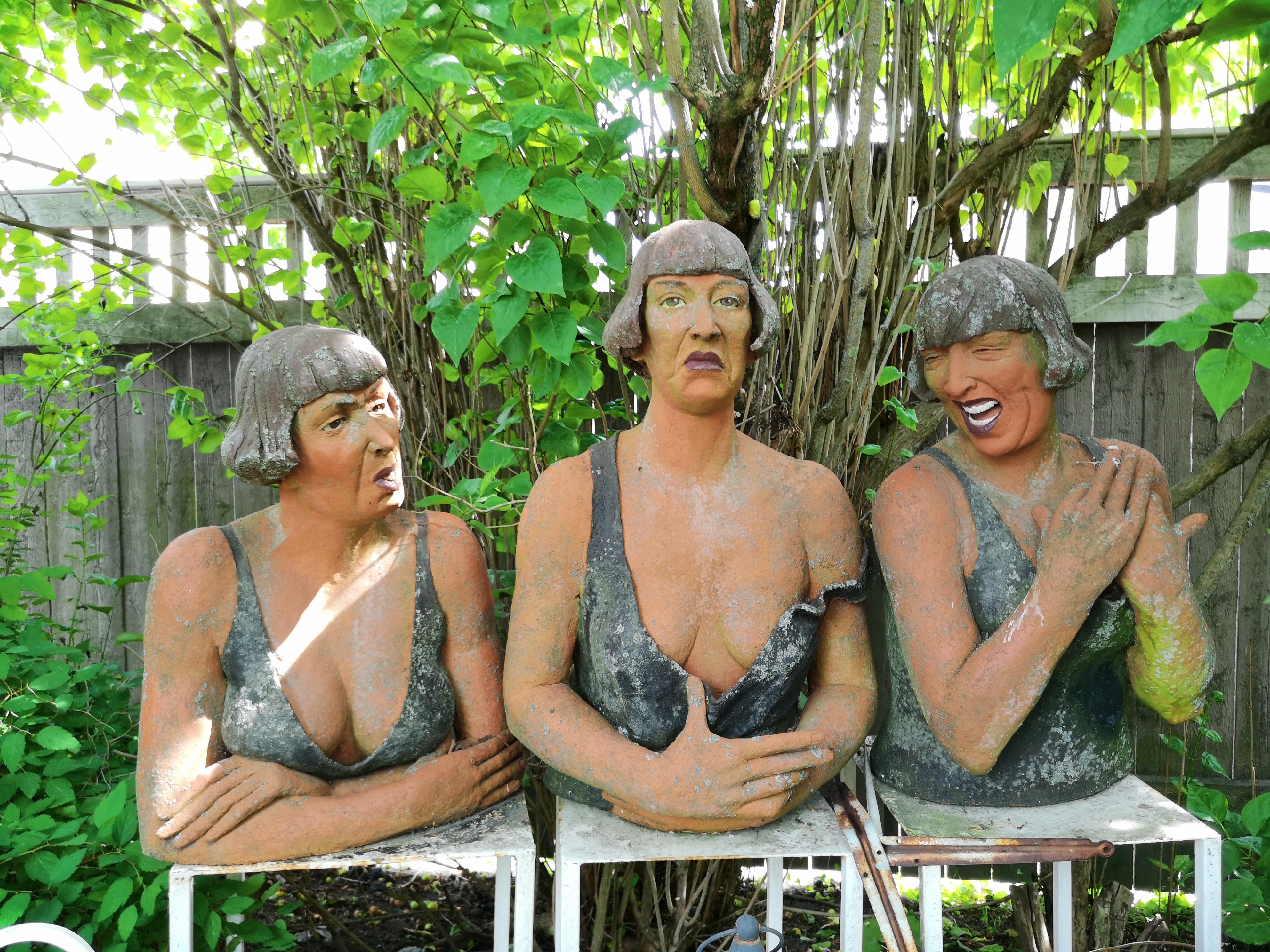
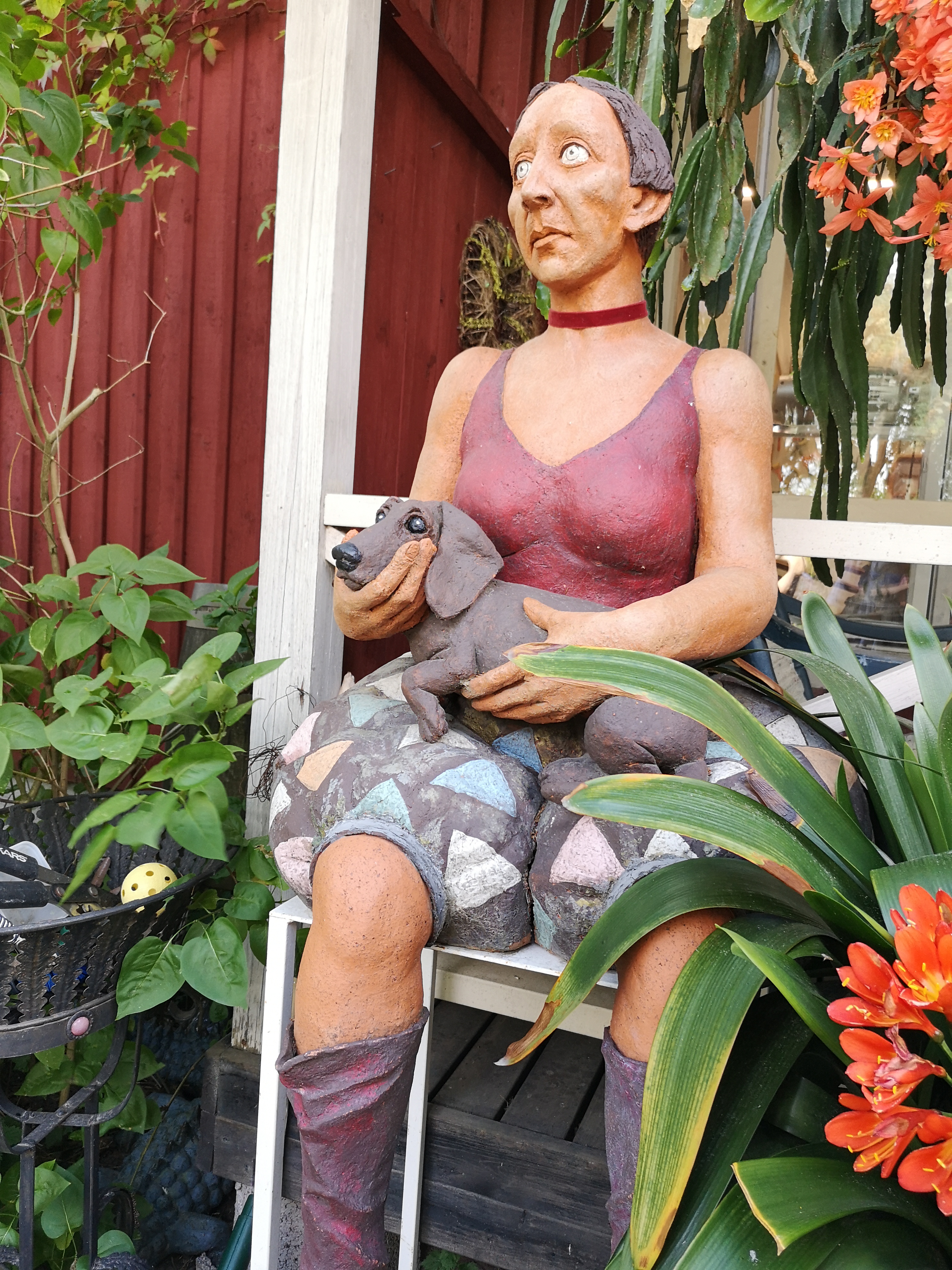
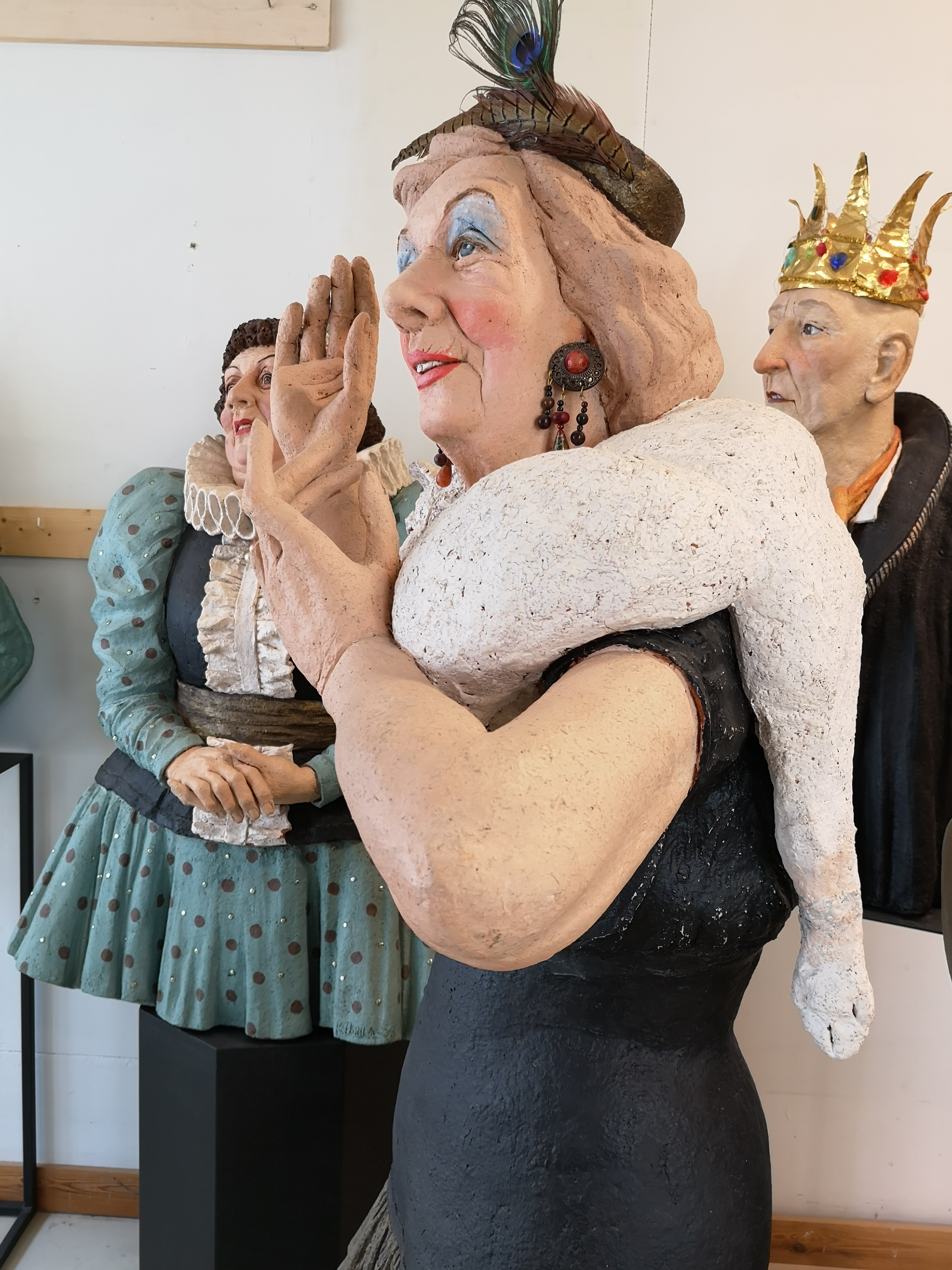
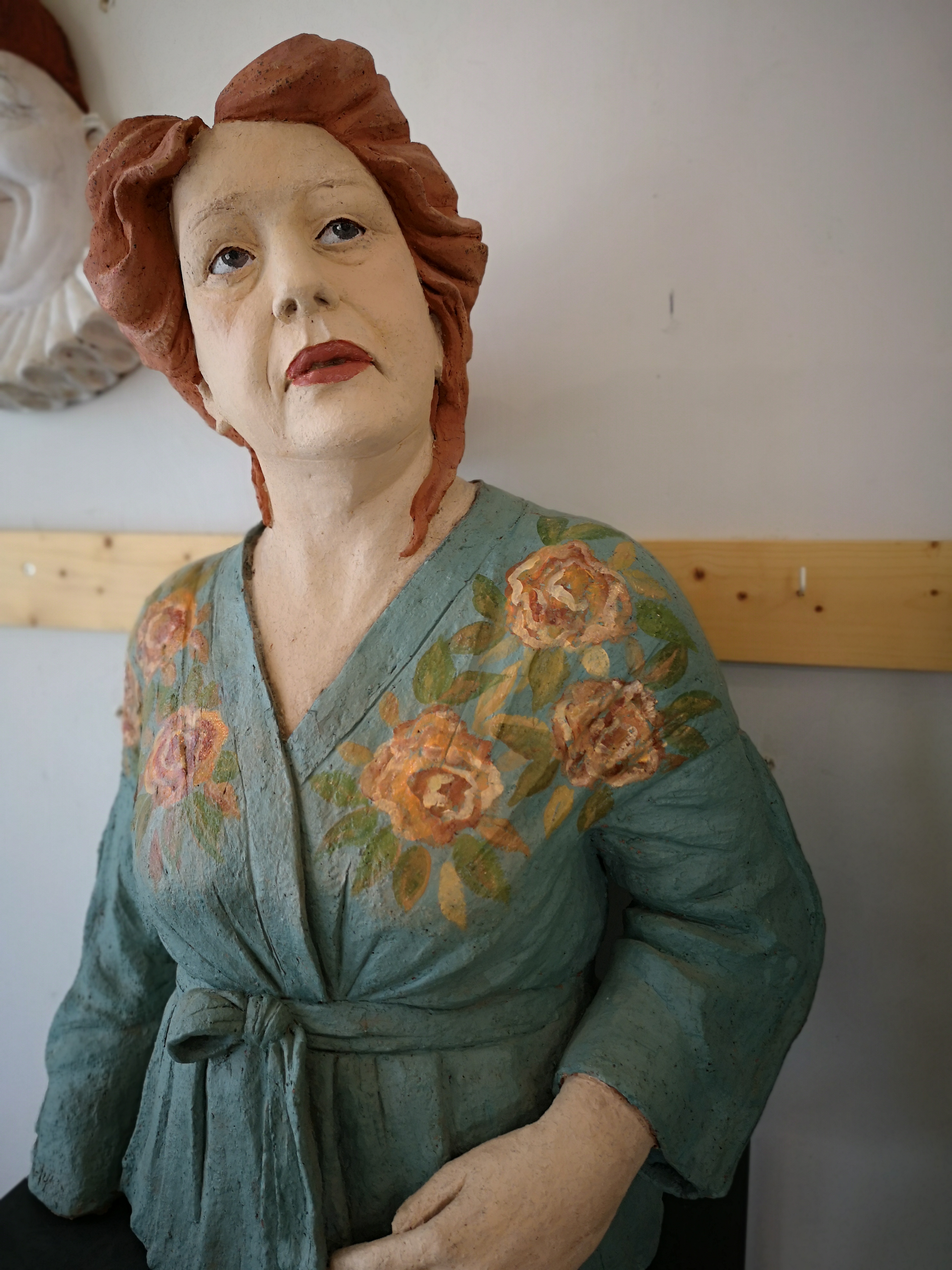
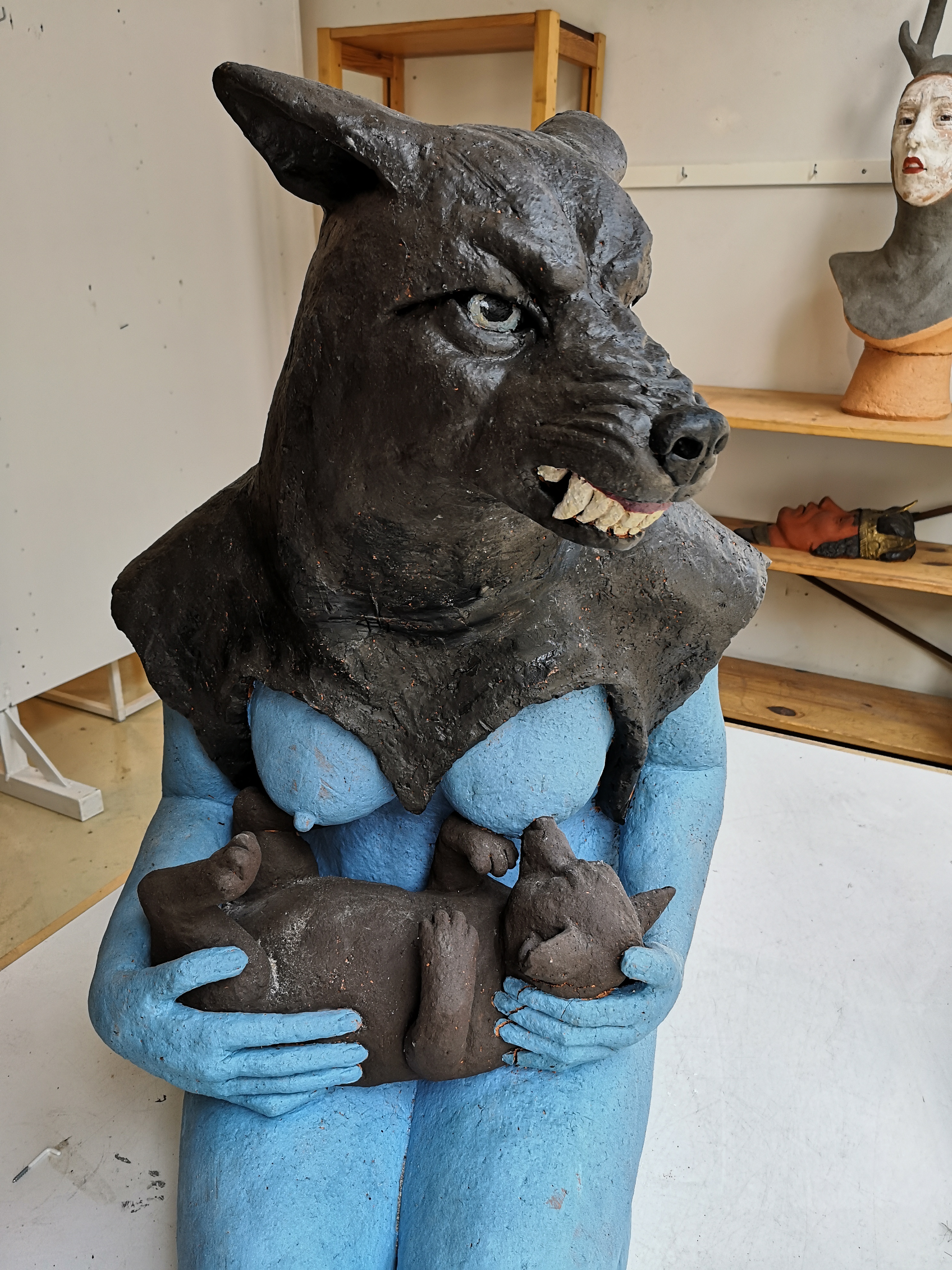
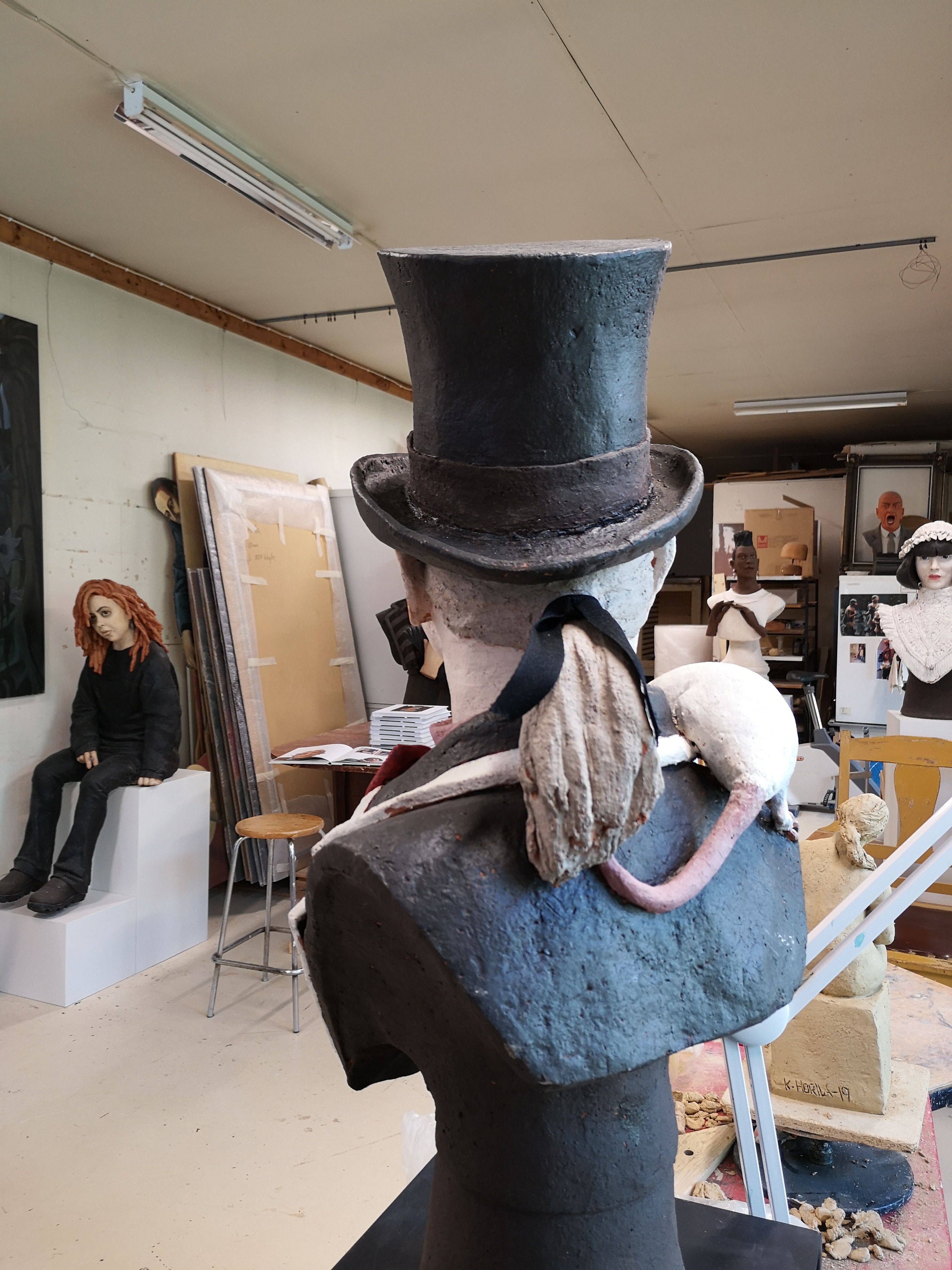
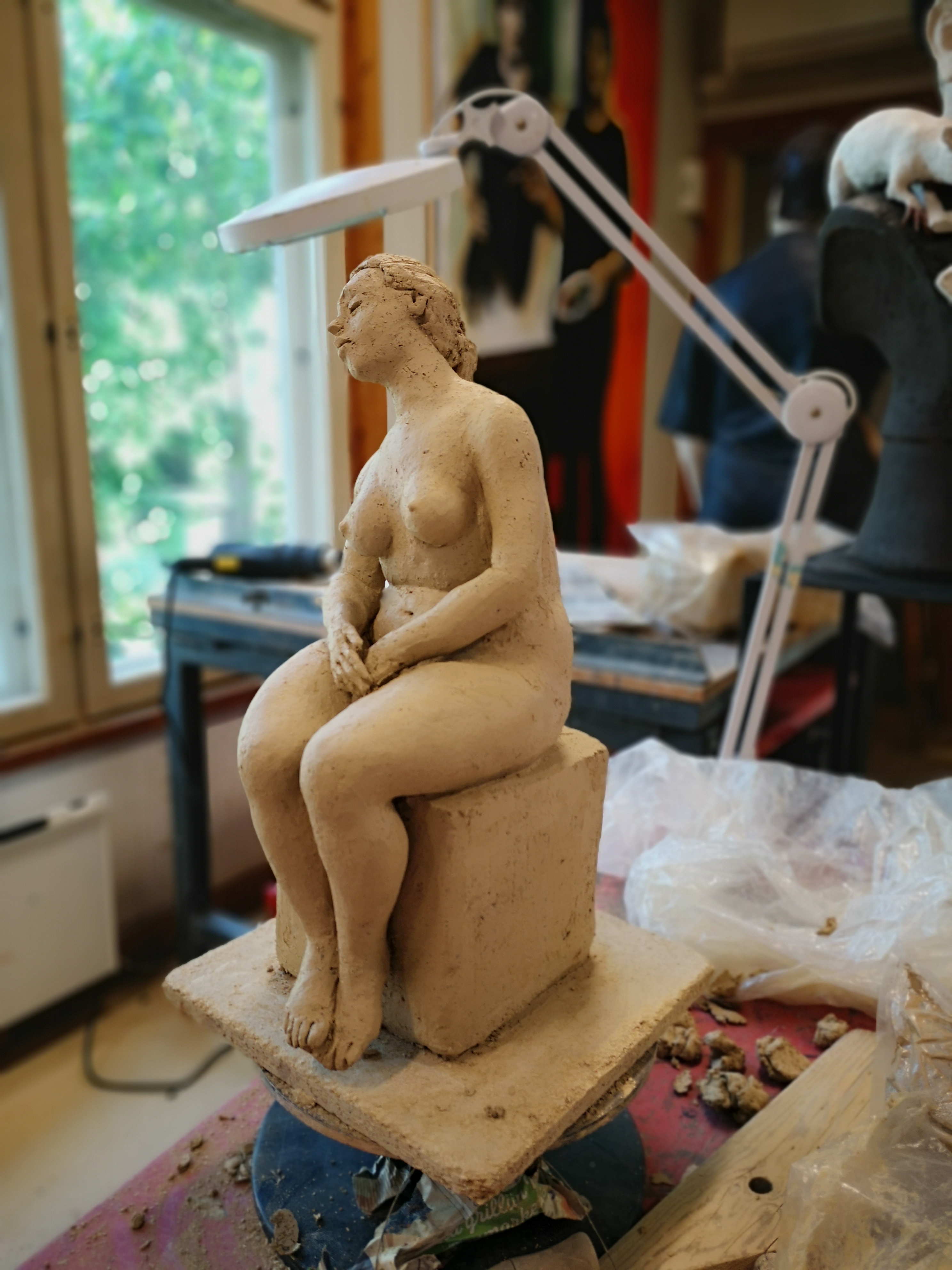
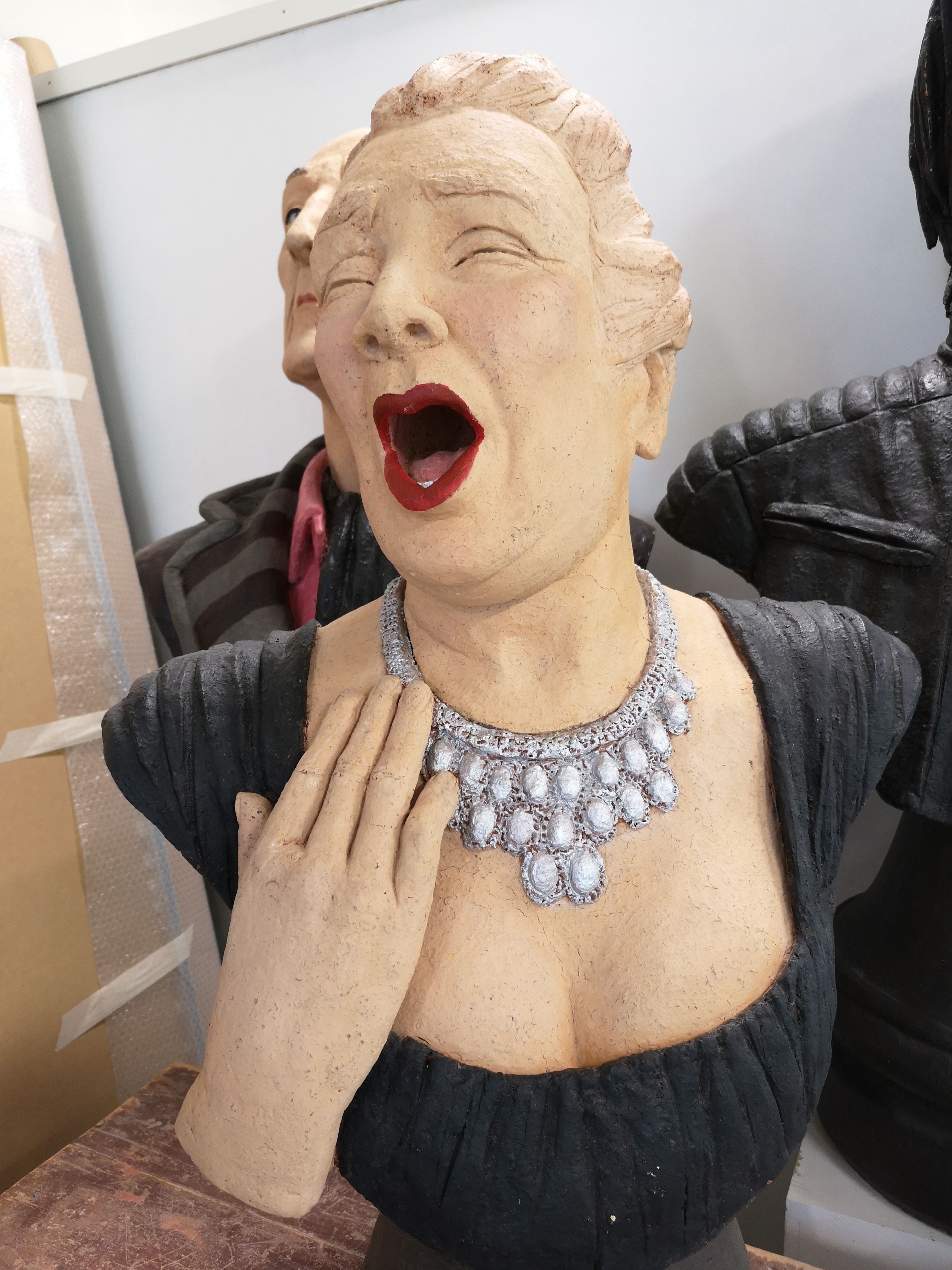
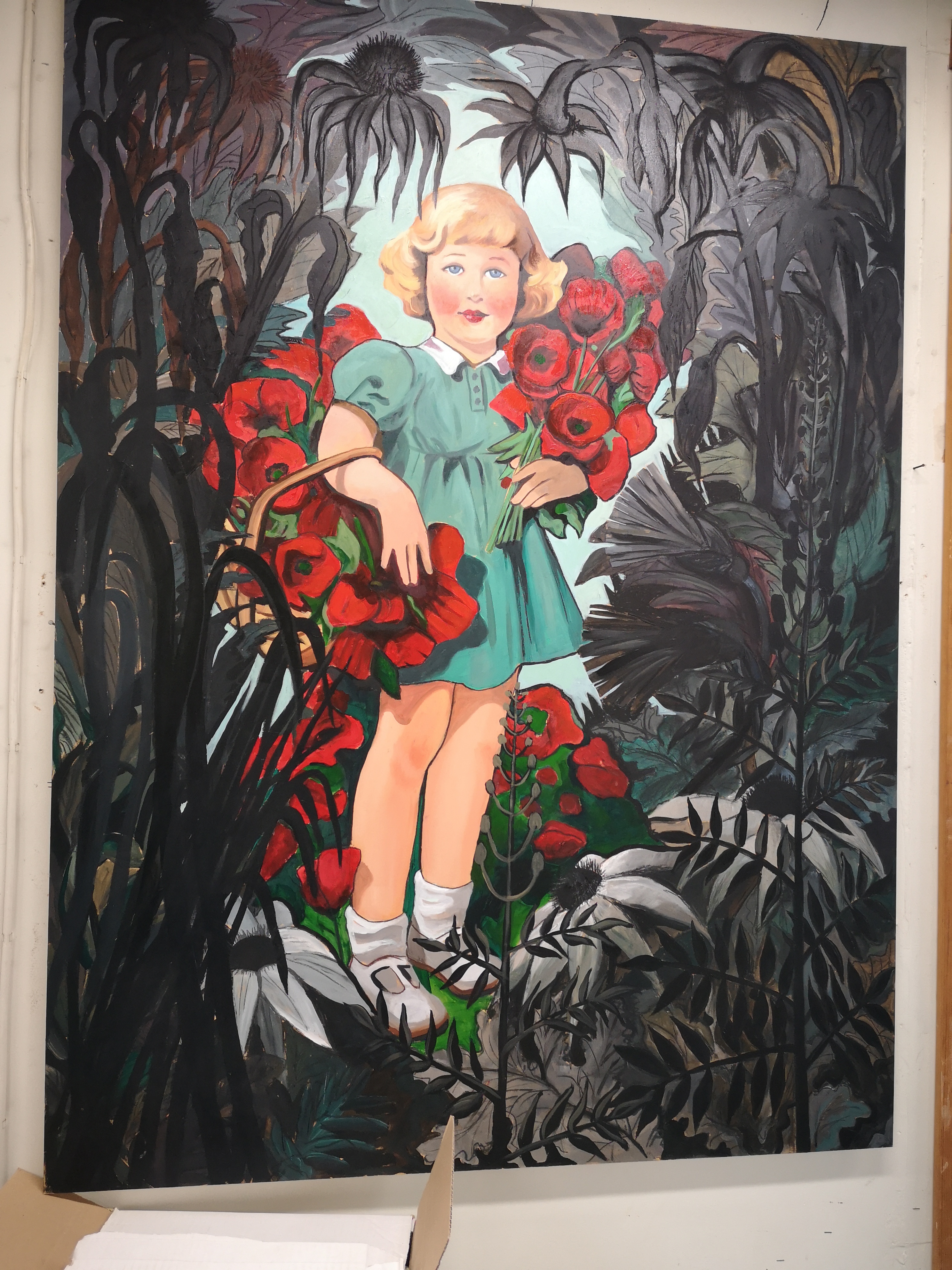
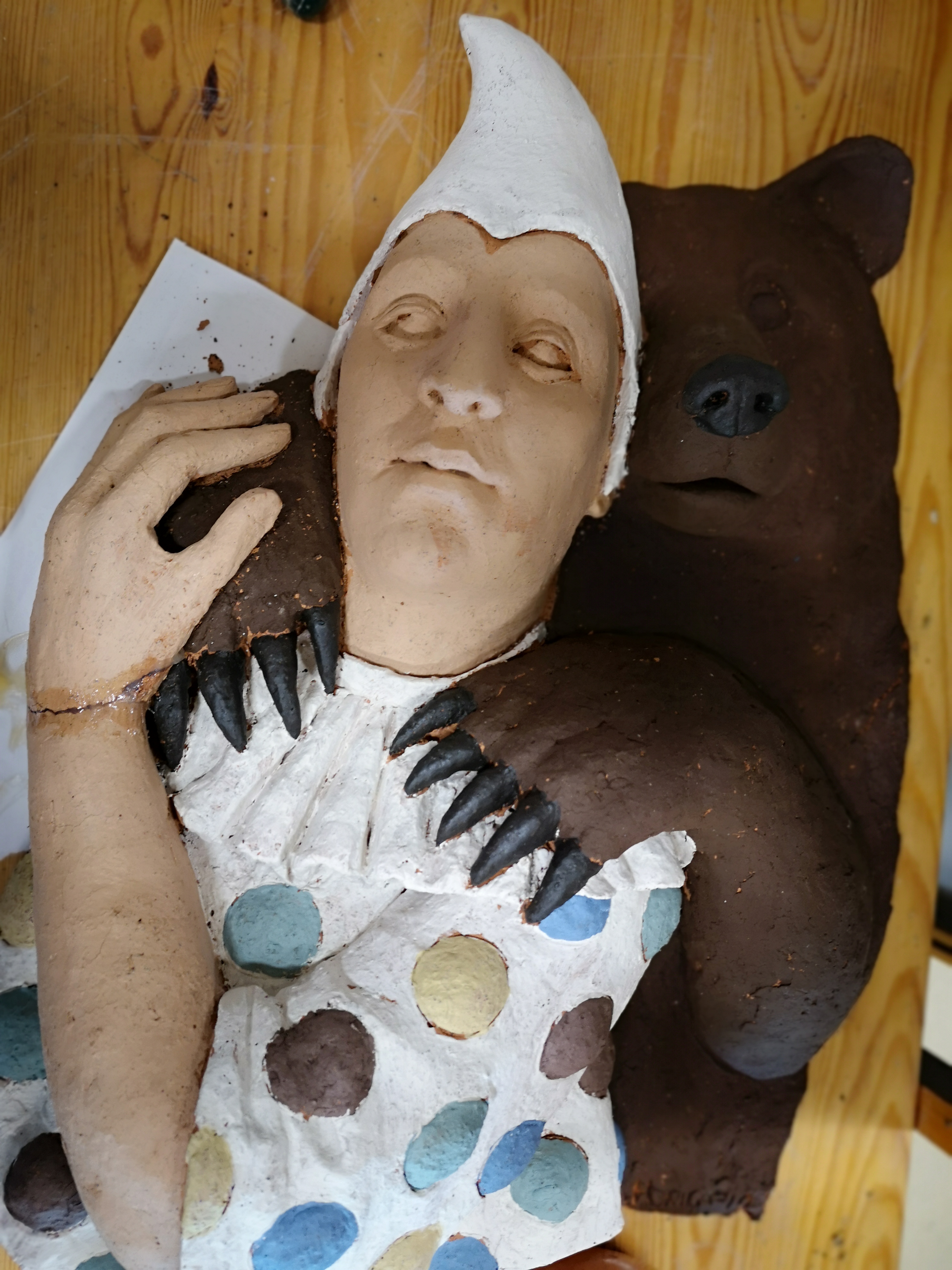
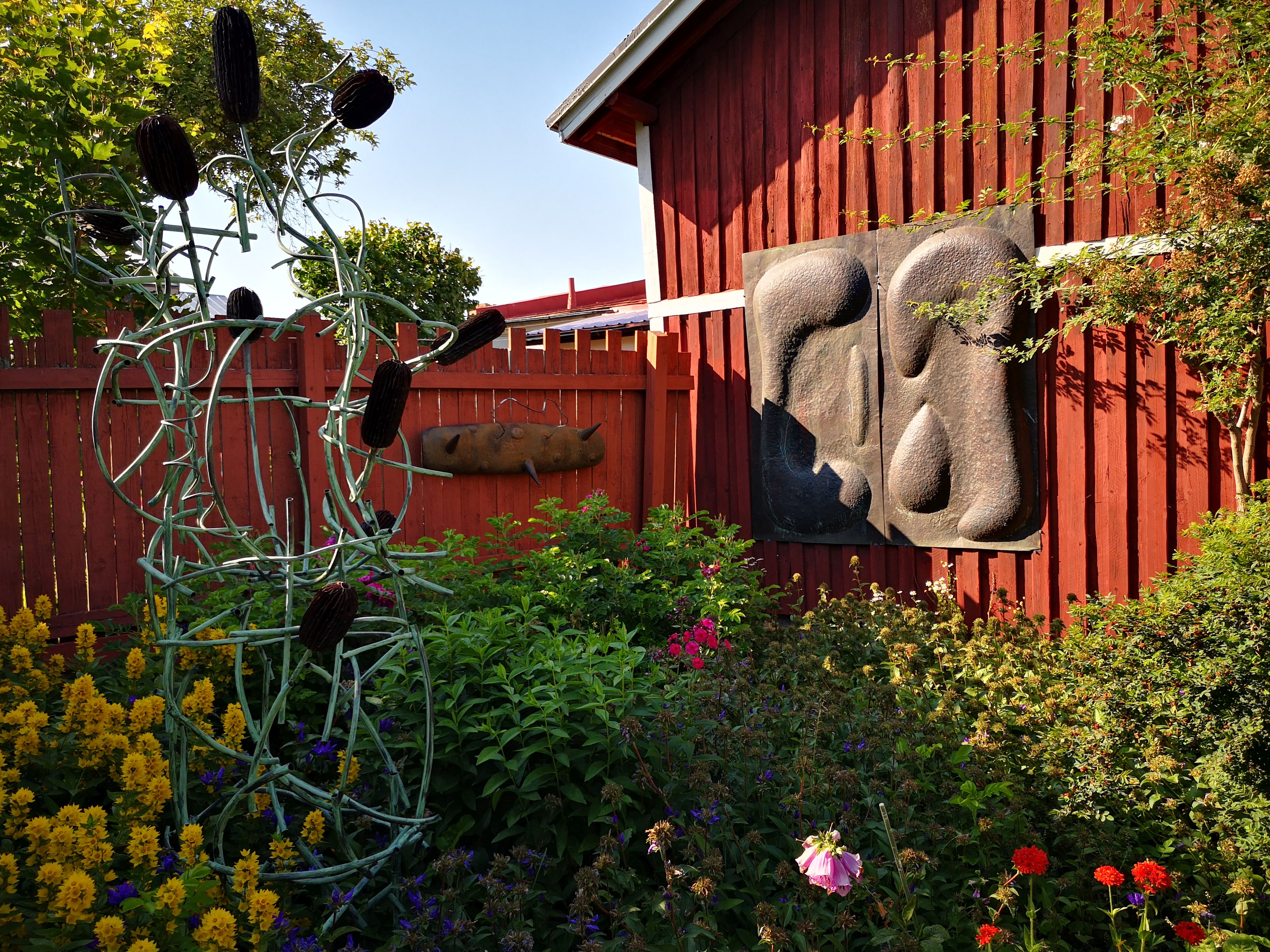
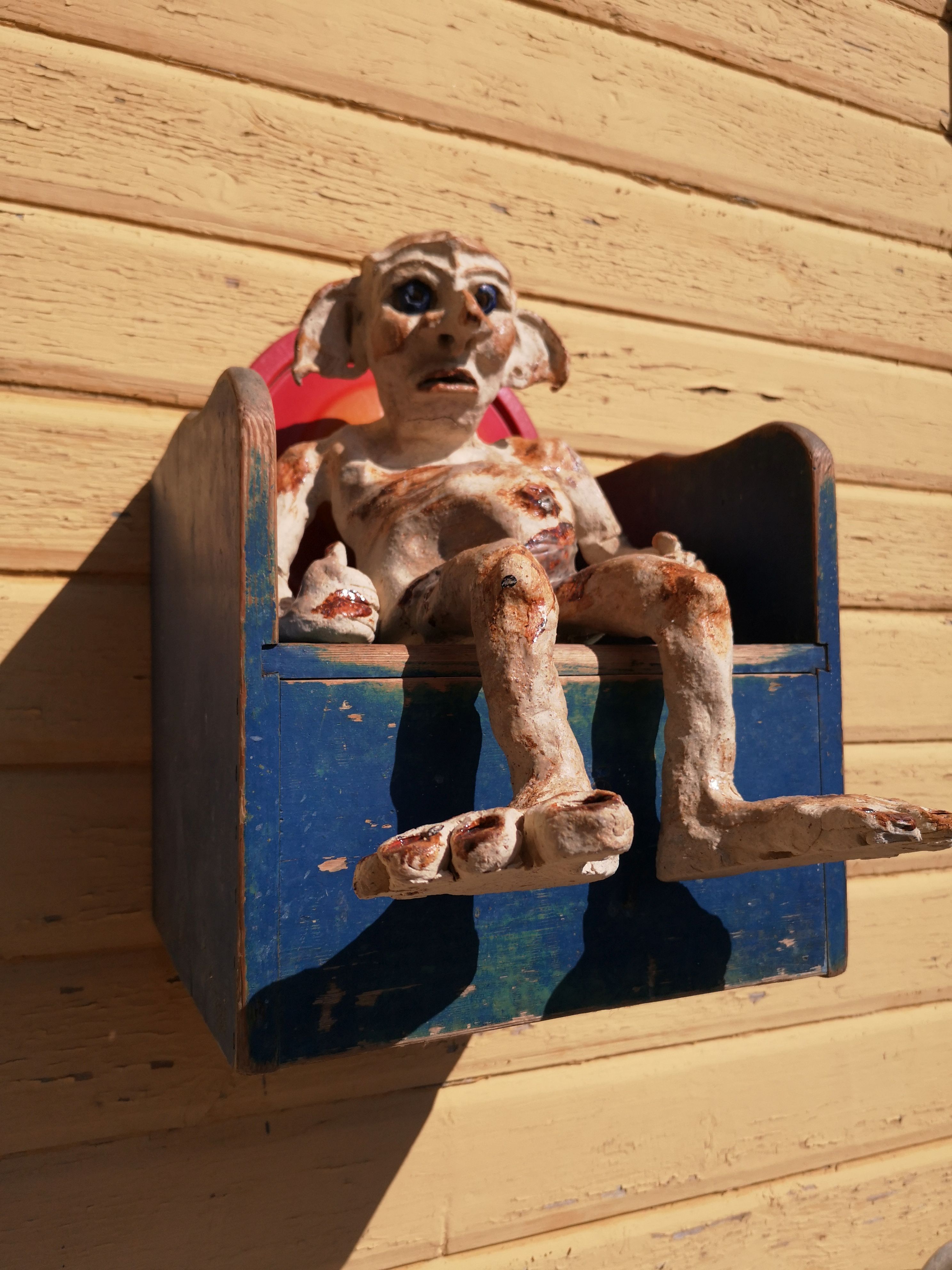
You have seen the human like sculptures in Rauma .. woman with a handbag sitting in front of the Art Museum, three women swimming in the channel, the lady reading a bible at the church .. and so many more places. One is hidden behind a fence. I show this at my tour.
But now during this lace week you can see so much more as she opens her yard and studio to the public! Definitely go visit her place at Länsikatu 7 in old Rauma . She might even be sitting on her terrace.
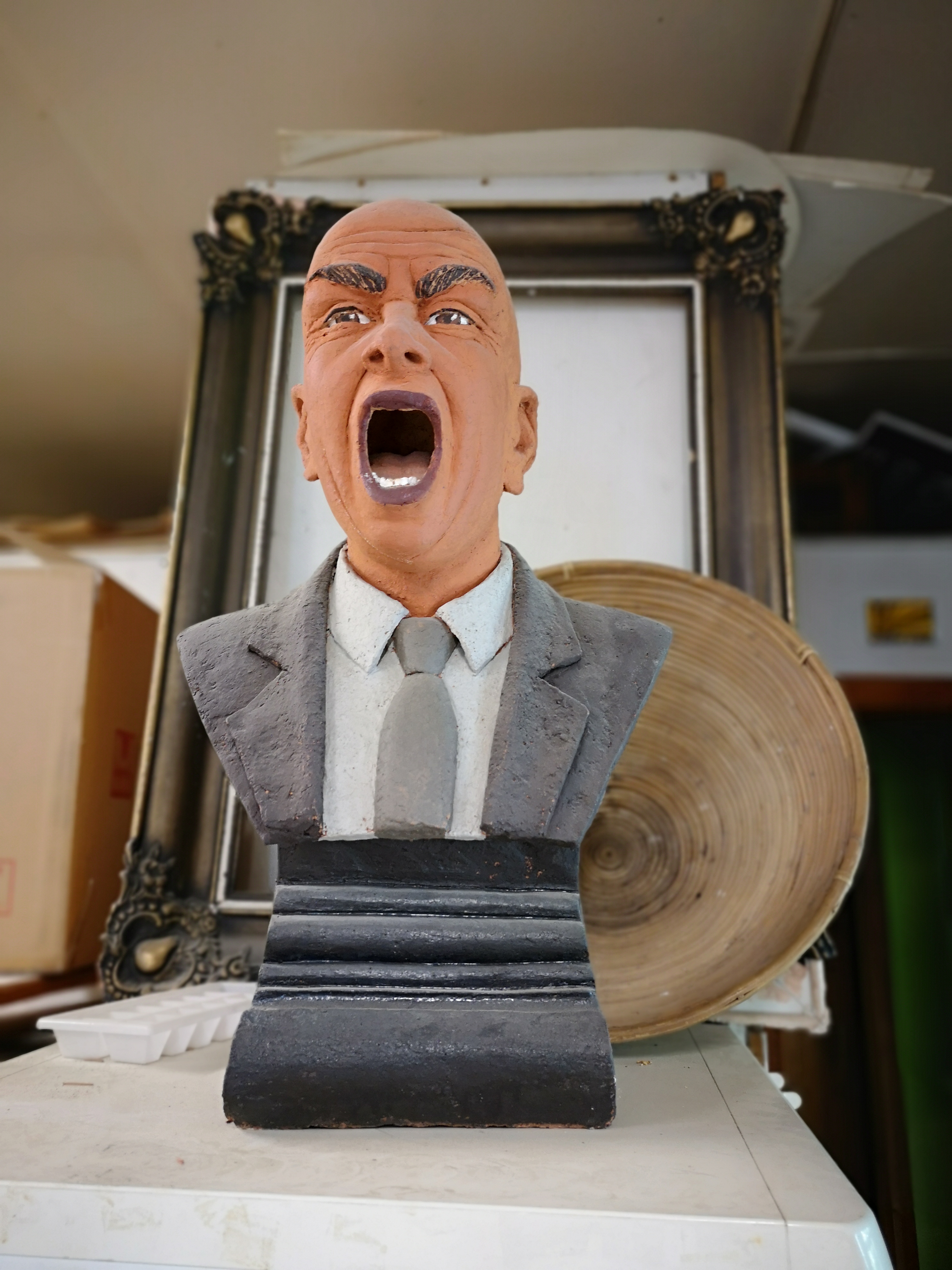
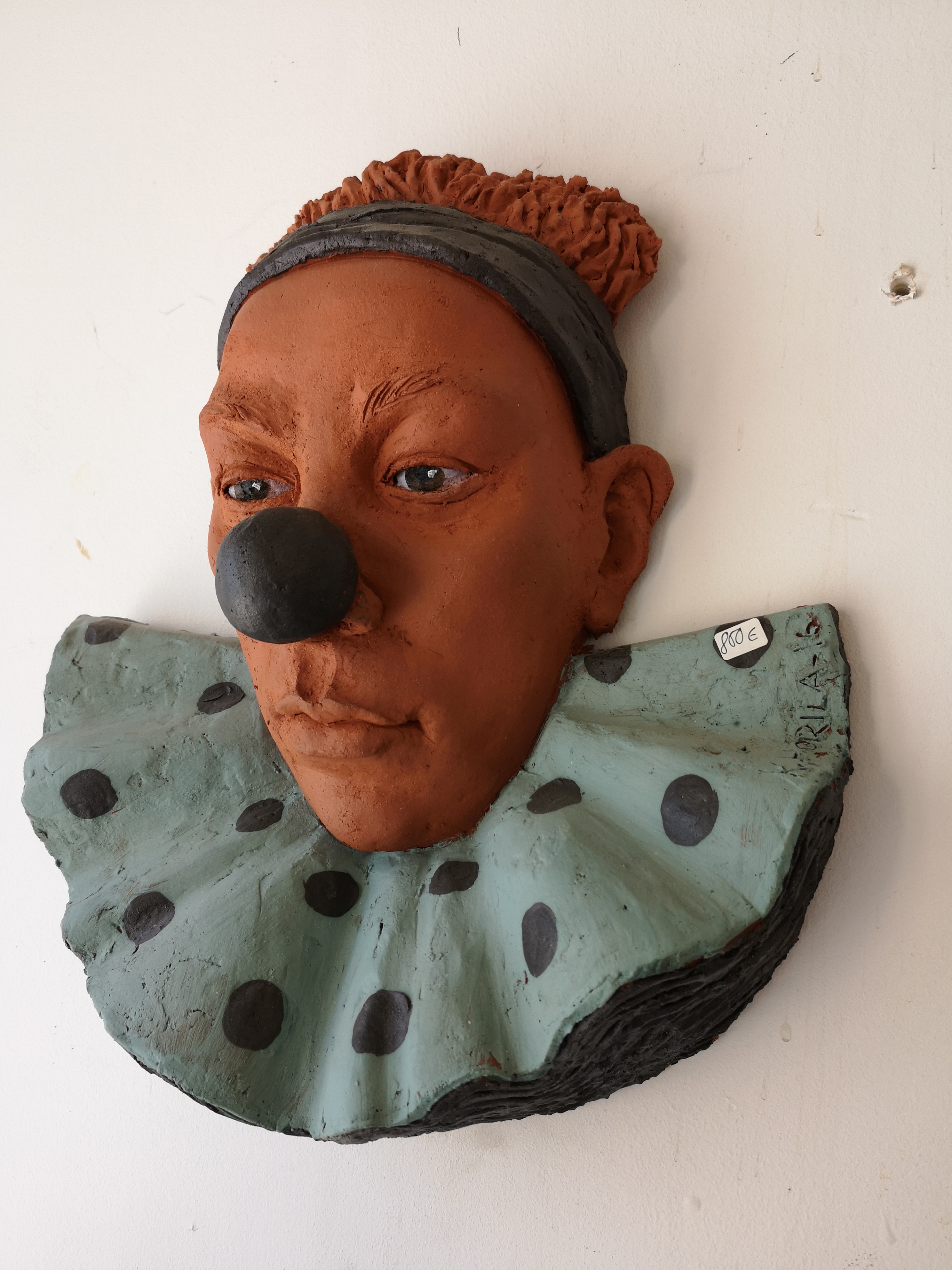
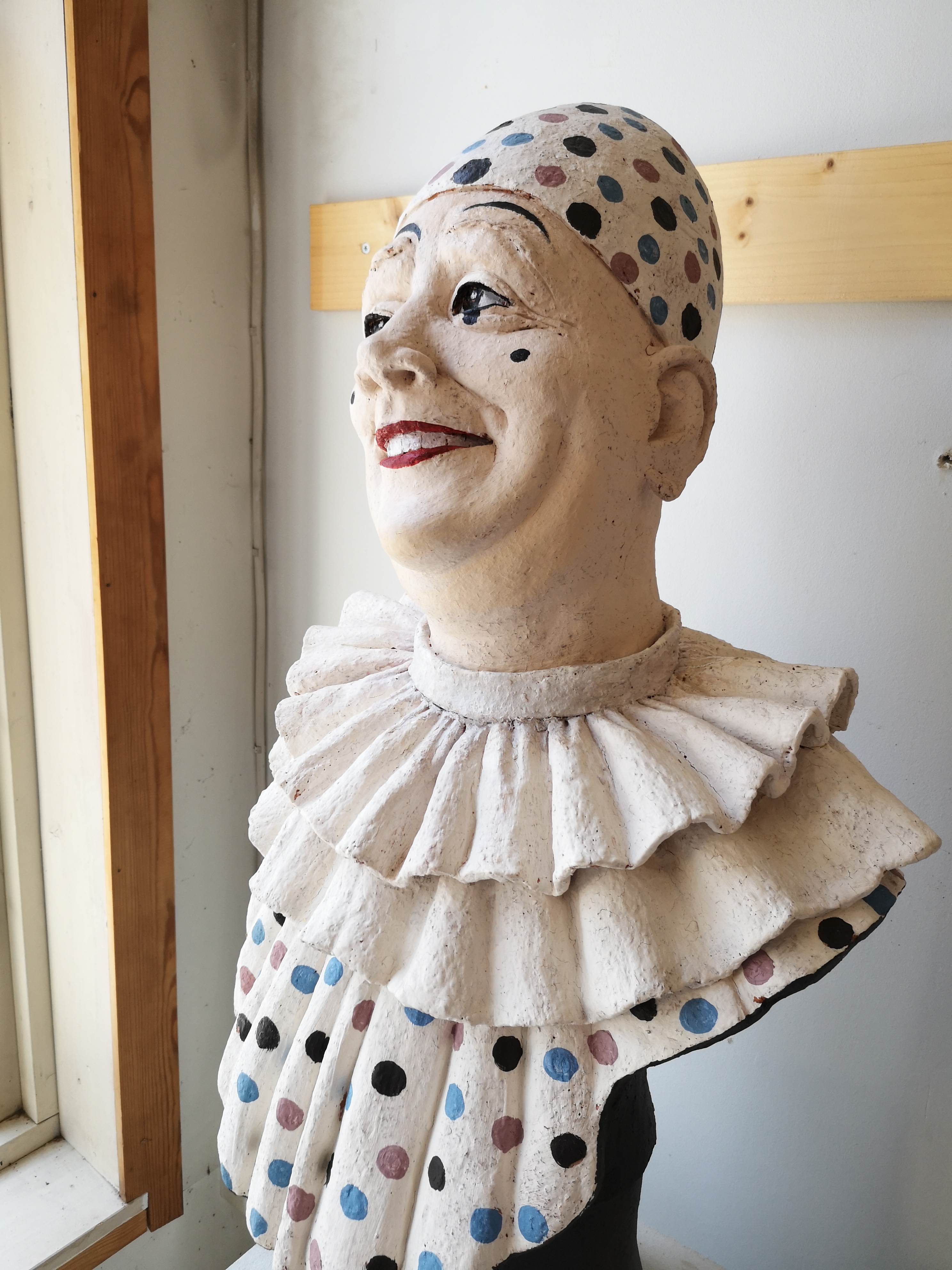
It’s not just figures. They have fantastic expressions! Modern and surprising. A little bit theatrical.
I only saw one price tag, so I guess she does not sell any of her work these days and hence her studio is usually closed.
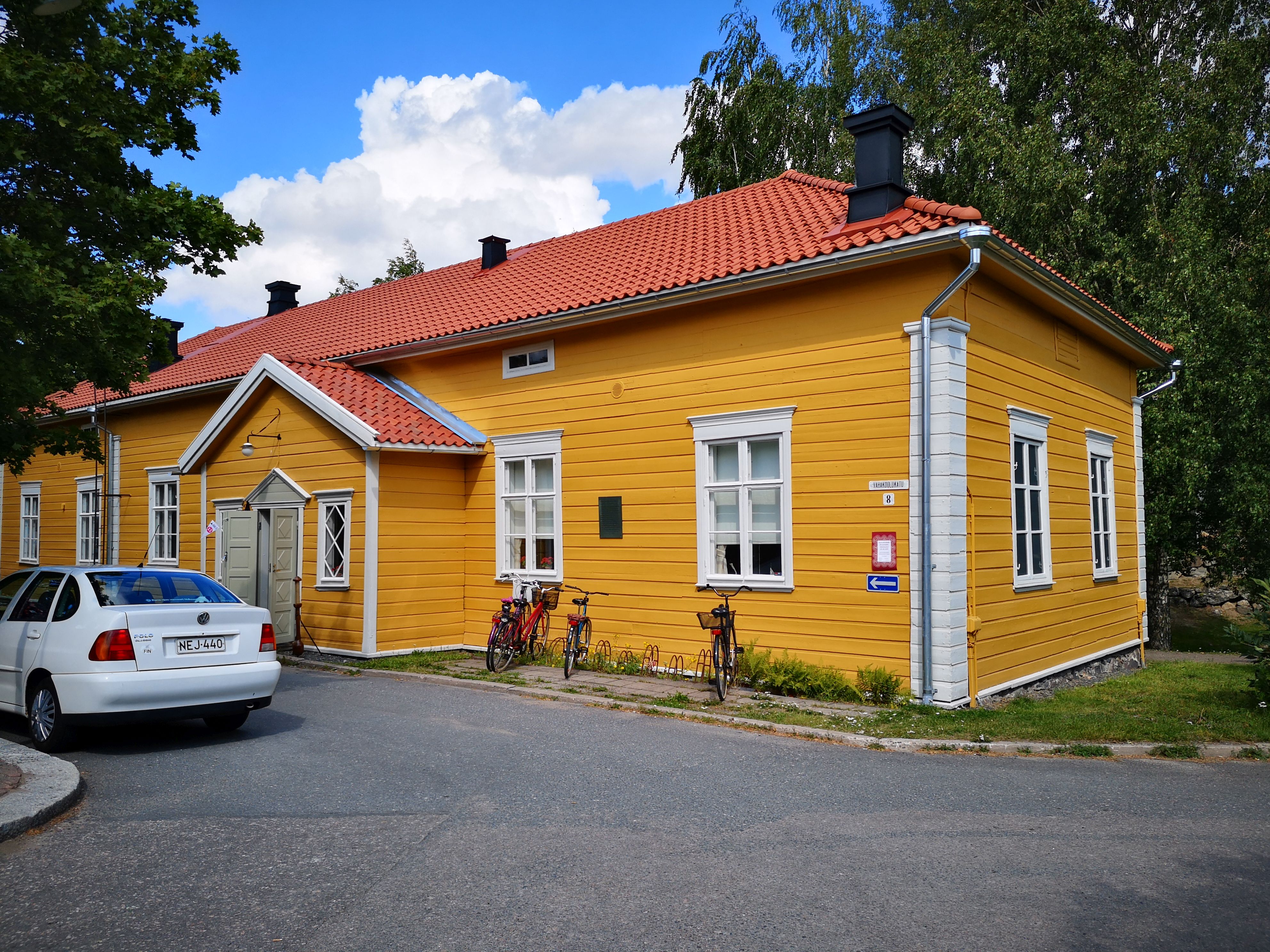
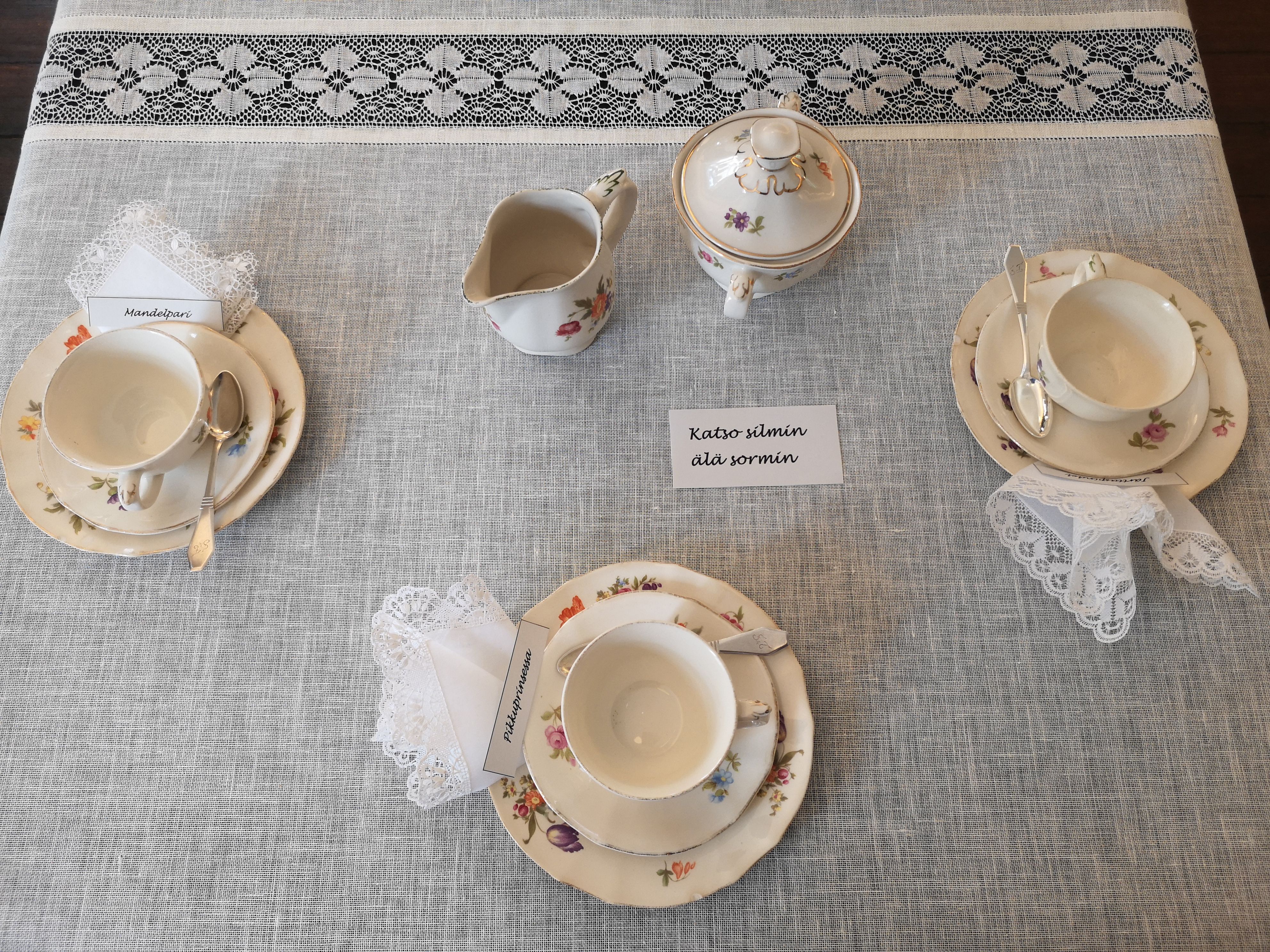
An amazing opportunity to see and try bobbin lace making during the Rauma Lace Week! Go to Vanha Opisto at Vähäkoulunkatu 8 in old Rauma (across the river from the Church of the Holy Cross). Free entrance 🙂
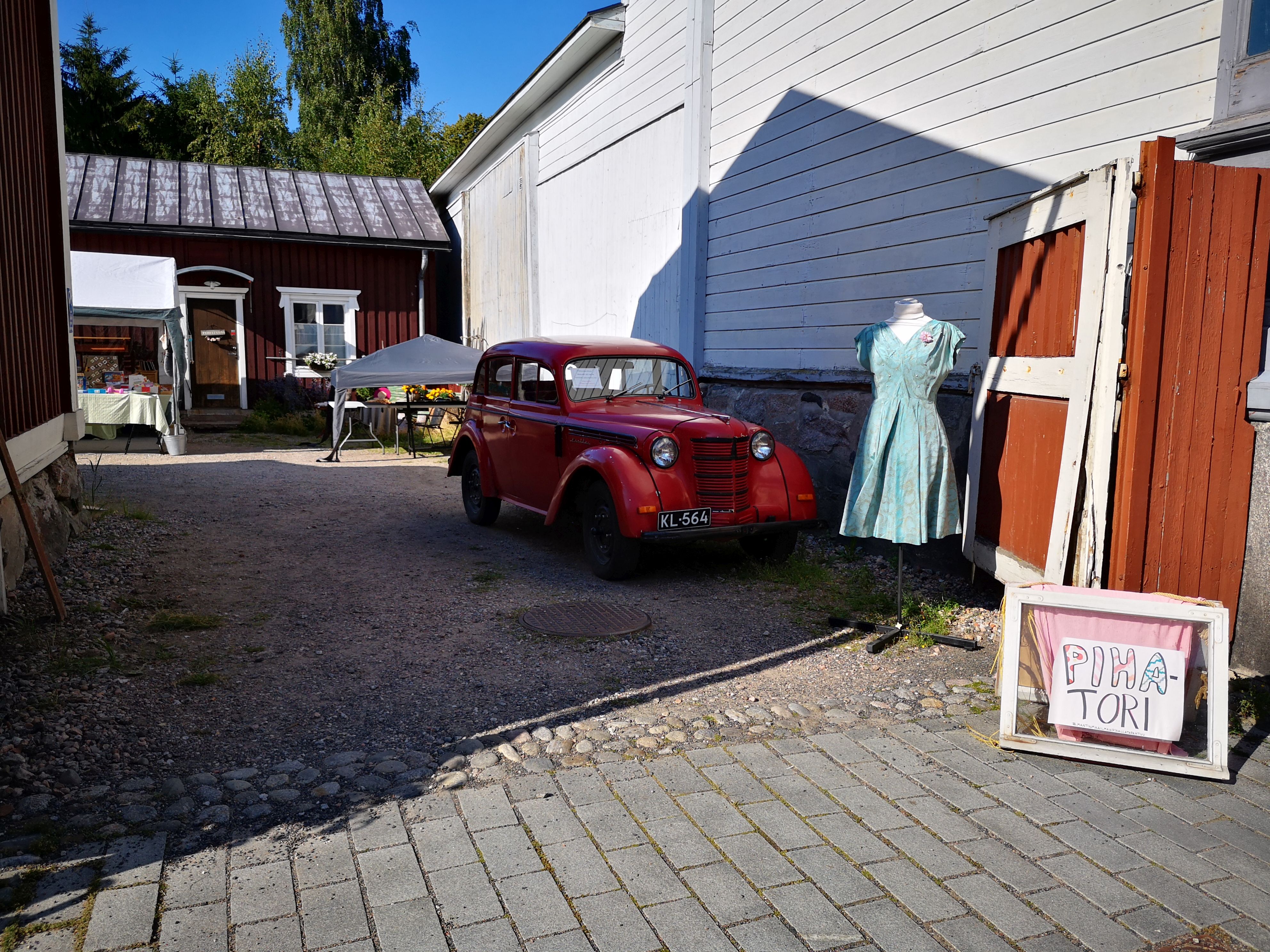
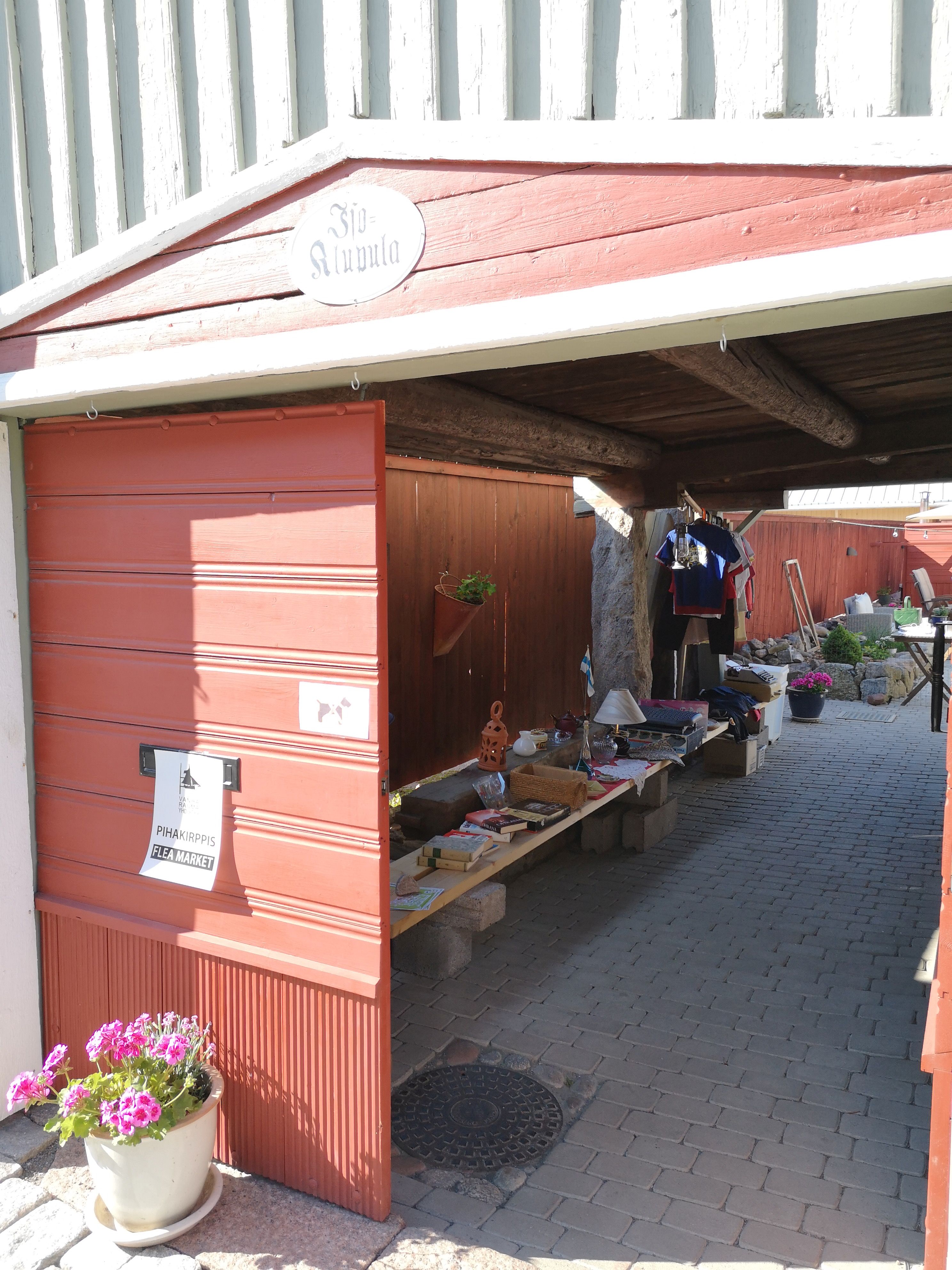
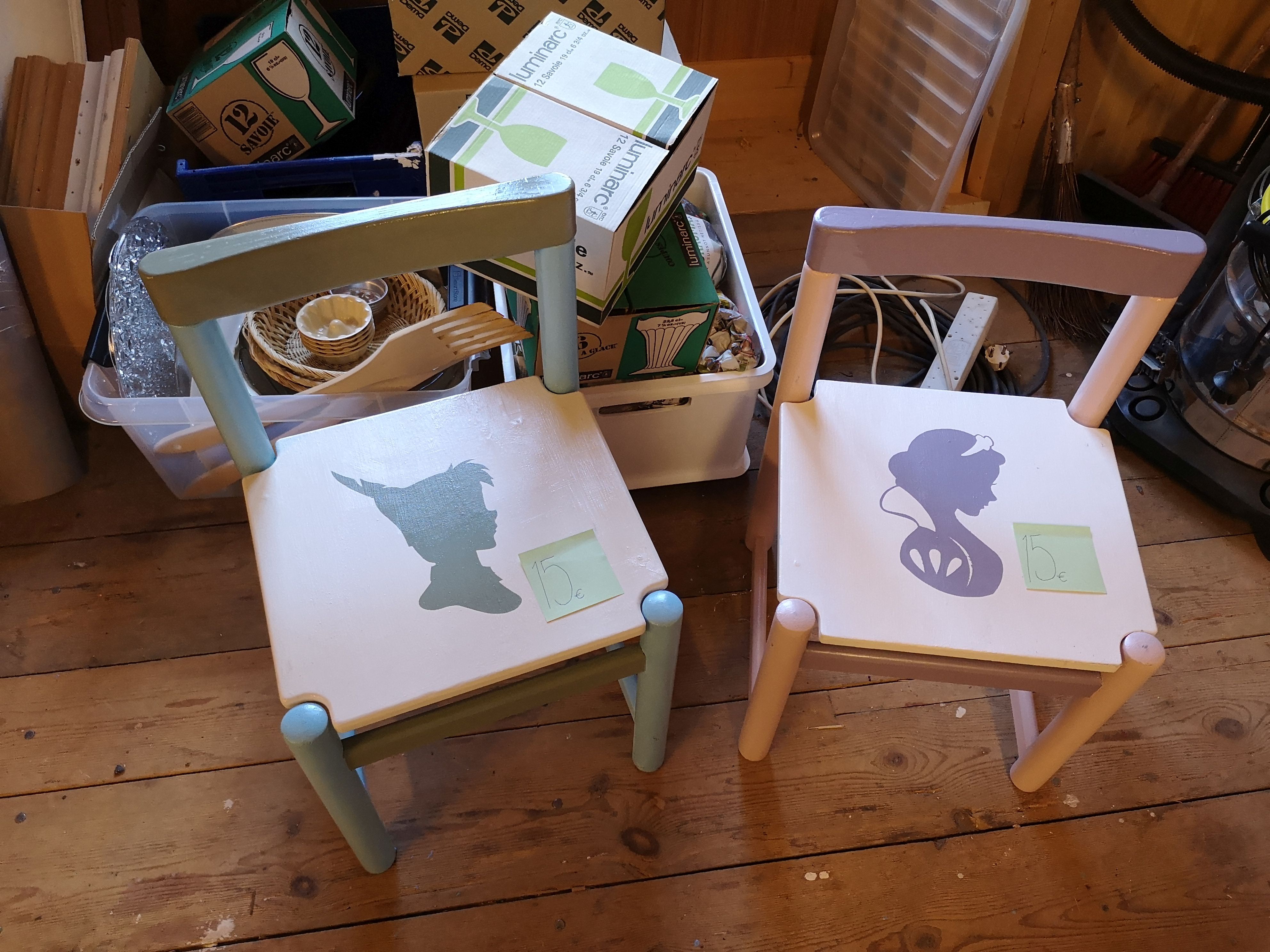
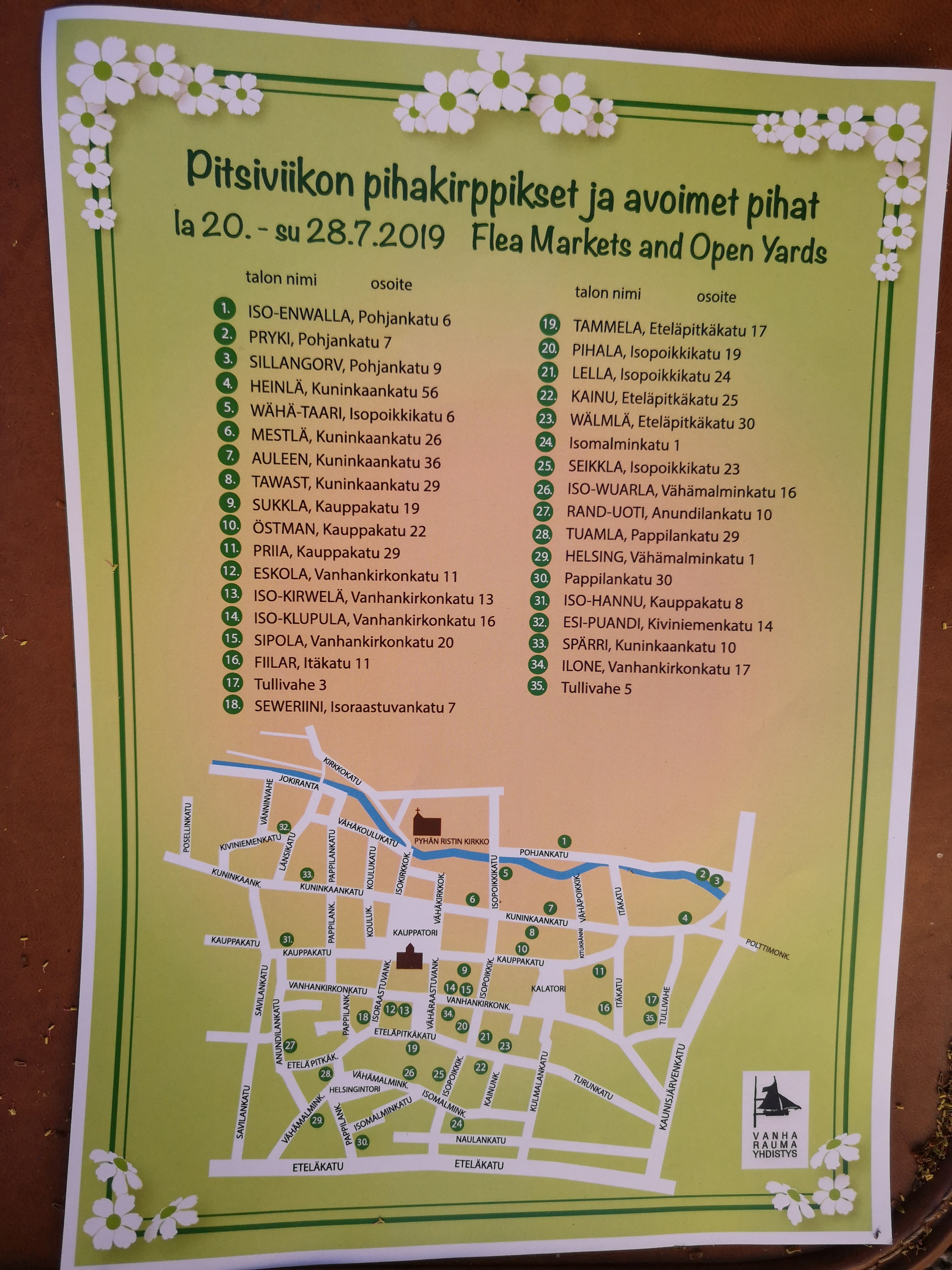
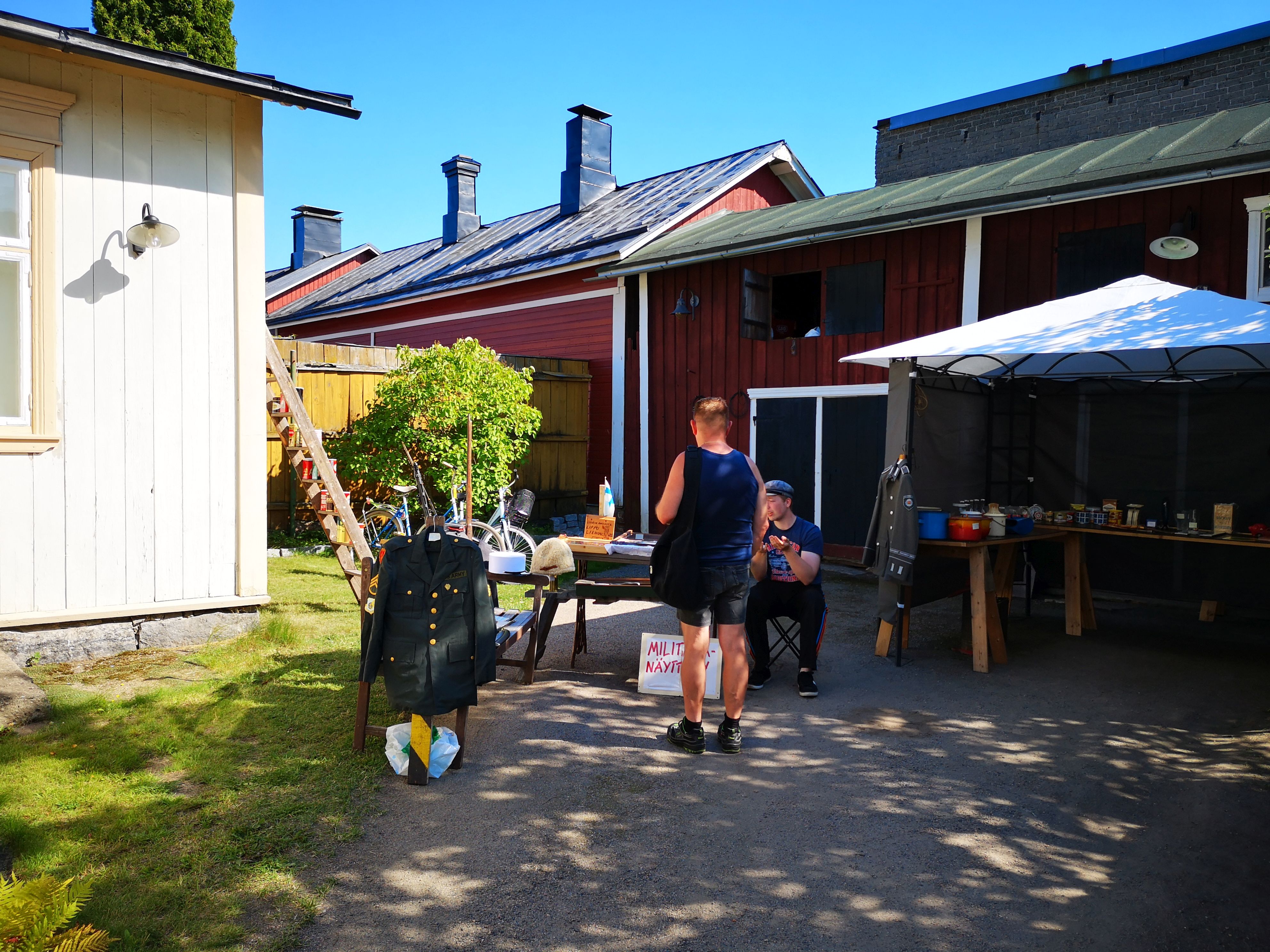
Rauma lace week is an opportunity to get to see the yards of the Old Rauma. This year, 35 yards are open for the public to see. Some have something to sell, old clothes and things.
The wife of a seamen, depicted on the paintings of the 19th century, is standing on the sea side sad and distressed. Next time she sees the husband in a year or two. Maybe never. She is responsible for taking care of the house and the kids alone. I wrote this story to the newspaper Raumalainen, published on 17.07.2019.
Every third
man in Rauma was a sailor around the middle of the 19th century. In 1830 Rauma
seamen got the right to sail further away from the shores of Finland, on open
seas all around the world. Sailors
received new duties at faraway ports and their ships did not return home for
years.
The
sailor’s wife received a third or half of the man’s wage through the seamen’s
house. Not bad! But that was not enough to feed the family. Women had to rent
out rooms in order to make extra money. They would take care of the sick, the
orphans and the old people and be paid by the seamen’s house (just as if the
men on sea would pay their wives, but the money goes to a caretaker). If women
had no house of their own, they would have to work as maids and live in the
employer’s house (under constant supervision, losing their independence). Most
of the women from 1750s to 1840s were engaged in bobbin lace making for extra
revenue.
The other
men in the family, the grandfathers and the brothers, helped them. Sometimes a
grandma would live in the next room, as you can see in Kirsti’s house museum.
One fifth
of the seamen earned so well that they could buy the real estate from that
income. Only house owners were allowed to practice farming and rent fields from
the city. It was a good side income. The owners of the Kirsti’s house kept
cattle from 1755 until 1947.
The salary and
working conditions of Finnish sailors were not good. No wonder they escaped the
ship for a better life in America or for a better paid job on American or
English ships. Some got sick on faraway journeys and had to be left at the
hospital in South Africa or other remote countries, with no opportunity to
return.
According
to Jari Lybeck’s dissertation, 270 seamen from Rauma escaped from the ship in 1840-1870
(that is 30 years). The same happened on the other Finnish ships and every
third seamen from Turku would desert the ship! The masters would then have to
find new personnel in order to continue sailing.
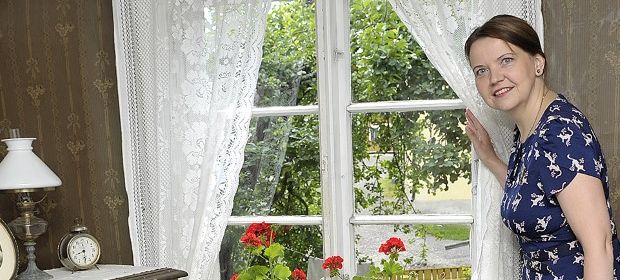
Picture by Juha Sinisalo , Raumalainen. I am looking out of the window at Kirsti’s house to see if my seaman is coming home.
What did
the seamen eat on long journeys during the times they had no refrigerators? Pea
soup and porridge. Porridge and pea soup. Stomach pains, yes. Weak health from
the lack of vitamin C as well. When they reached the land, they would buy meat,
fruit, alcohol, tobacco and coffee. It was only after the 1850s that they had
any money. And the young boys, of course, went for an “adventure”. Married men
wanted the same, but they were afraid the rumors would reach their families at
home. They were all from the same town.
Have you seen the porcelain dogs on the windows in the old Rauma? The dogs look in the house if the man is home. According to a rumor these were given to the seamen as gifts by the most expensive prostitutes at English ports.
Later, when china dogs were not available, housewives placed the OMO washing powder box on a window (OMO- like the Old Man Out, you know).
But only a third of the divorces were a result of a woman’s misbehavior. Only? Or too many? I wonder where these extra men arrived to the small town to comfort lonely women, if at some point Rauma had 1000 seamen (sounds like all boys aged 10+ and men were on the sea).
A woman
filed for a divorce if a man had deserted the ship for a better life and there was
no sign of him for a year. Usually she waited longer, even 10-20 years. A
single woman with kids was not a nice status those days. Some did a crime to
feed the family. A seamen’s house supported those deserted wives to some
extent, but not forever. If she got pregnant, she filed for a divorce. She could
keep his belongings, as he was the initial cause of their divorce (not her
extramarital relationship). She had to be quick, as he could still decide to
return and she would be the only sinful.
It was not
only the status of a married woman, the independence from a master and the
financial security that lead women to such a lonely marriage. It might as well
been love. Why else would anyone walk all the way from Rauma to Turku harbor (100
kilometers!) to meet a husband. It took them days to get there. They helped
carry the things home. Gifts? Stockings? Perfumes? No. All she got from a well-travelled man was a self-made
ship in a bottle. Most important was that he came back alive. The captain’s
wife might have got a scarf.
Nowadays
not only the seamen leave homes and families. Several positions require a trip
from time to time. But our spouses come home more often. We have the electricity,
washing machines, television, hot water. Food is available at the store; there
is no need to grow the potatoes and keep cattle. Children’s diapers go into
garbage, not the laundry. Rauma is no longer a city of single mothers.
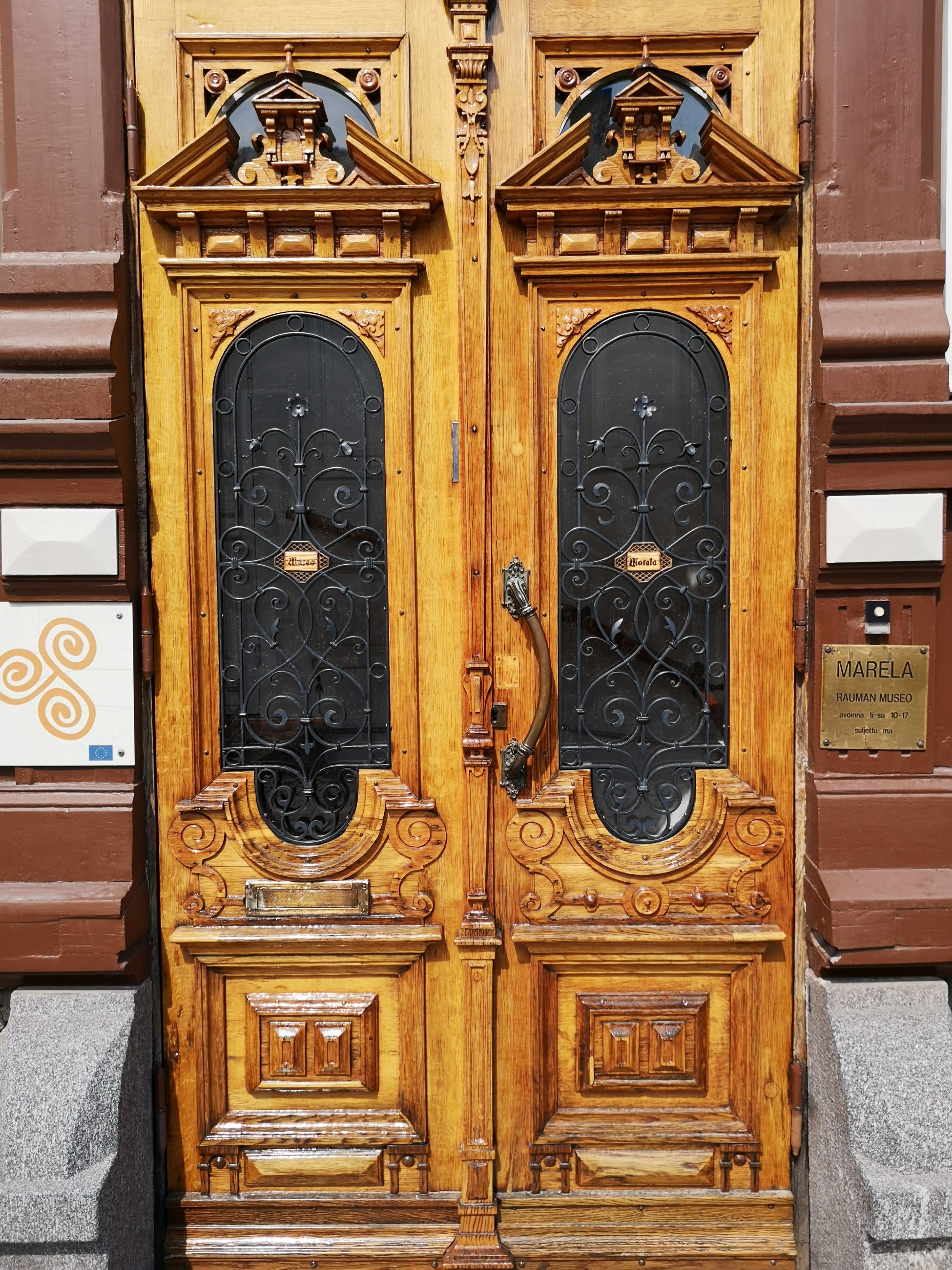
Enjoy your family summer holiday and why not visit the Rauma museums together. The sailor’s house museum Kirsti is open on summer time only (Tue-Sun 10-17). Rauma Maritime Museum is open every day in summer (from 11-17). On other times it is only on Saturdays. The wealthy shipowner’s Gabriel Granlund house museum Marela is open every day except Mondays.
Article by Kairi Rintanen (just like all the others in this blog)
Another opportunity to see the old village life is at the Muina village museum. It is on the same direction as the Ylen art home, but much closer to the Rauma town.
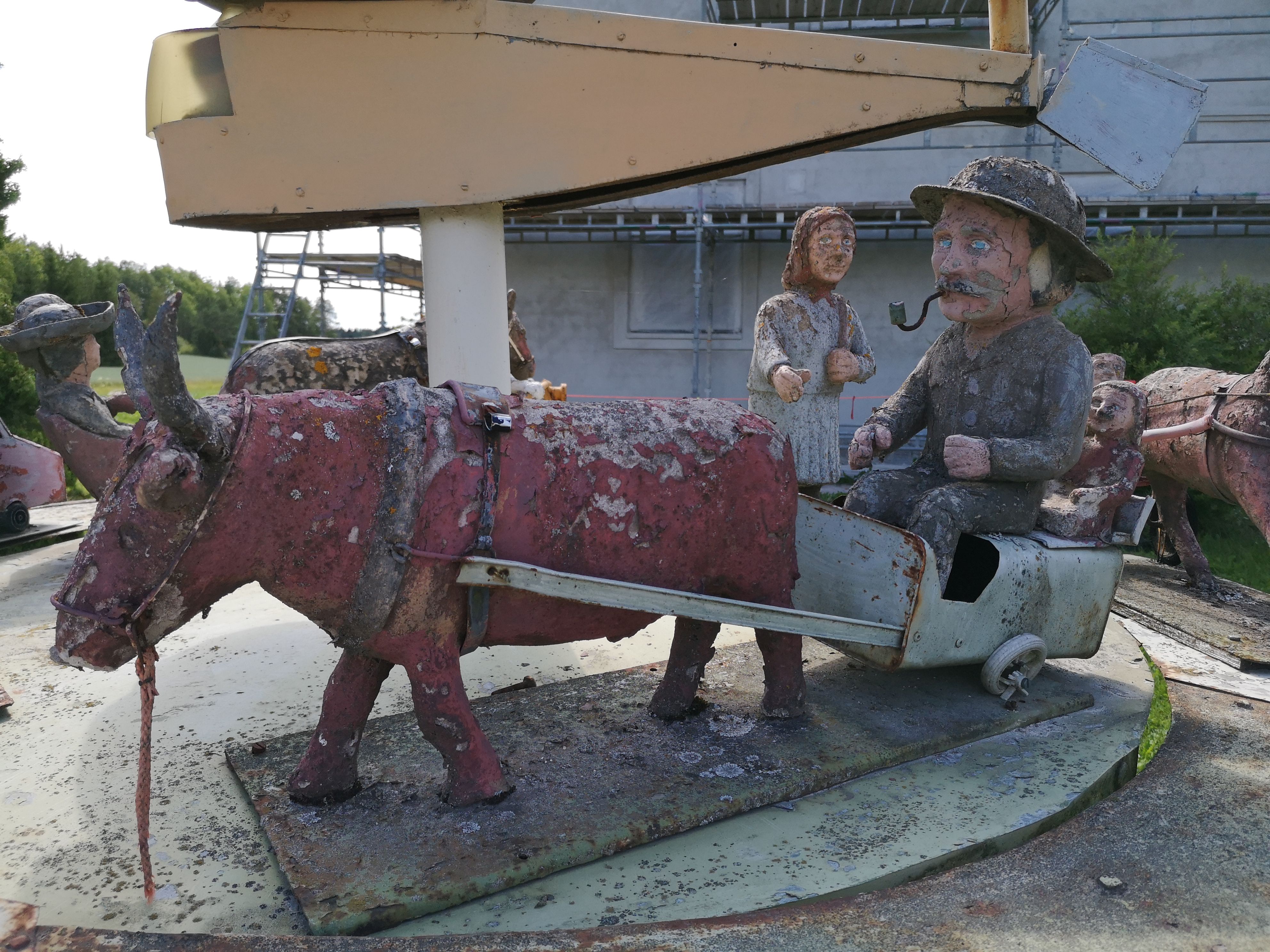
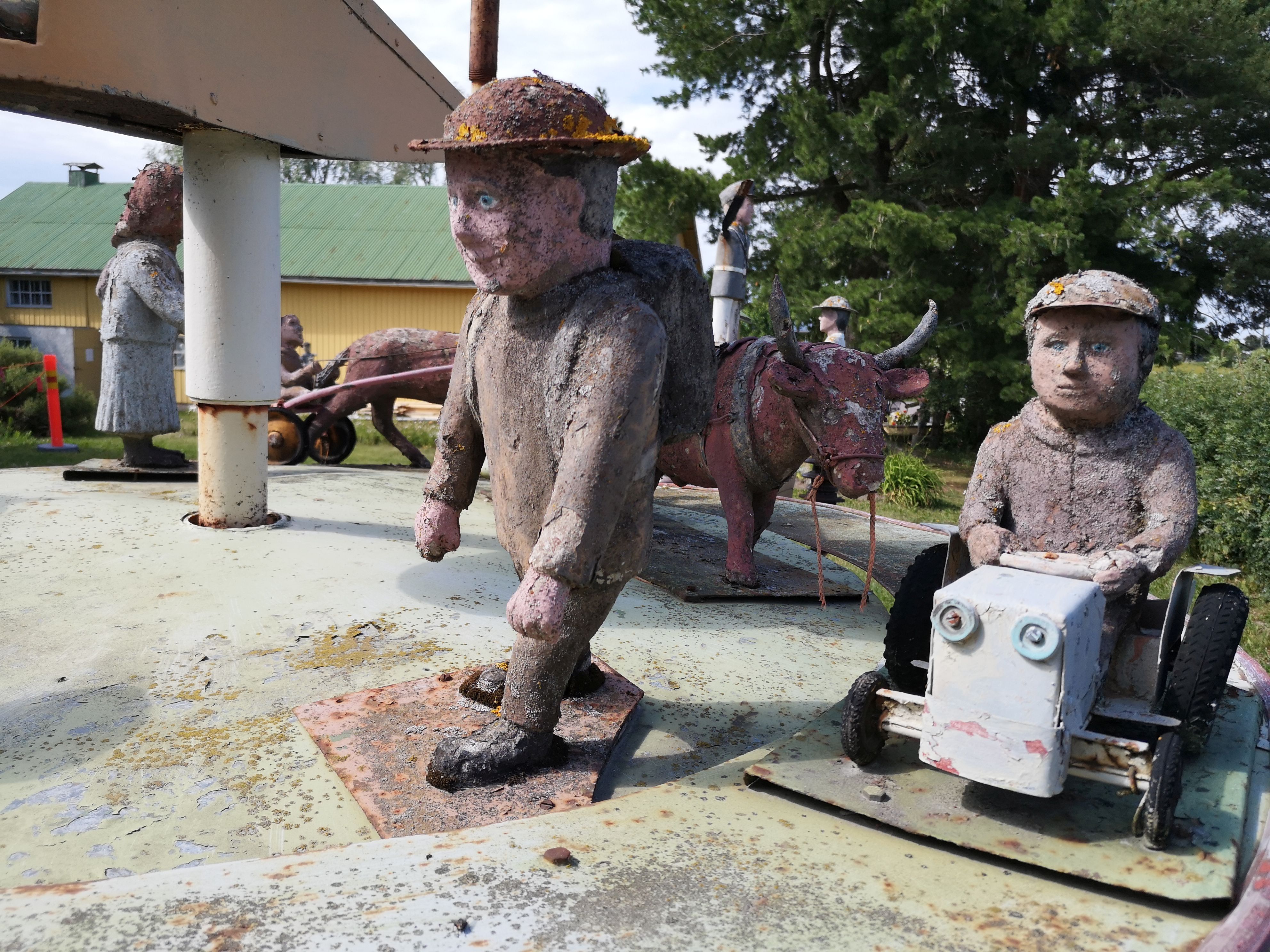
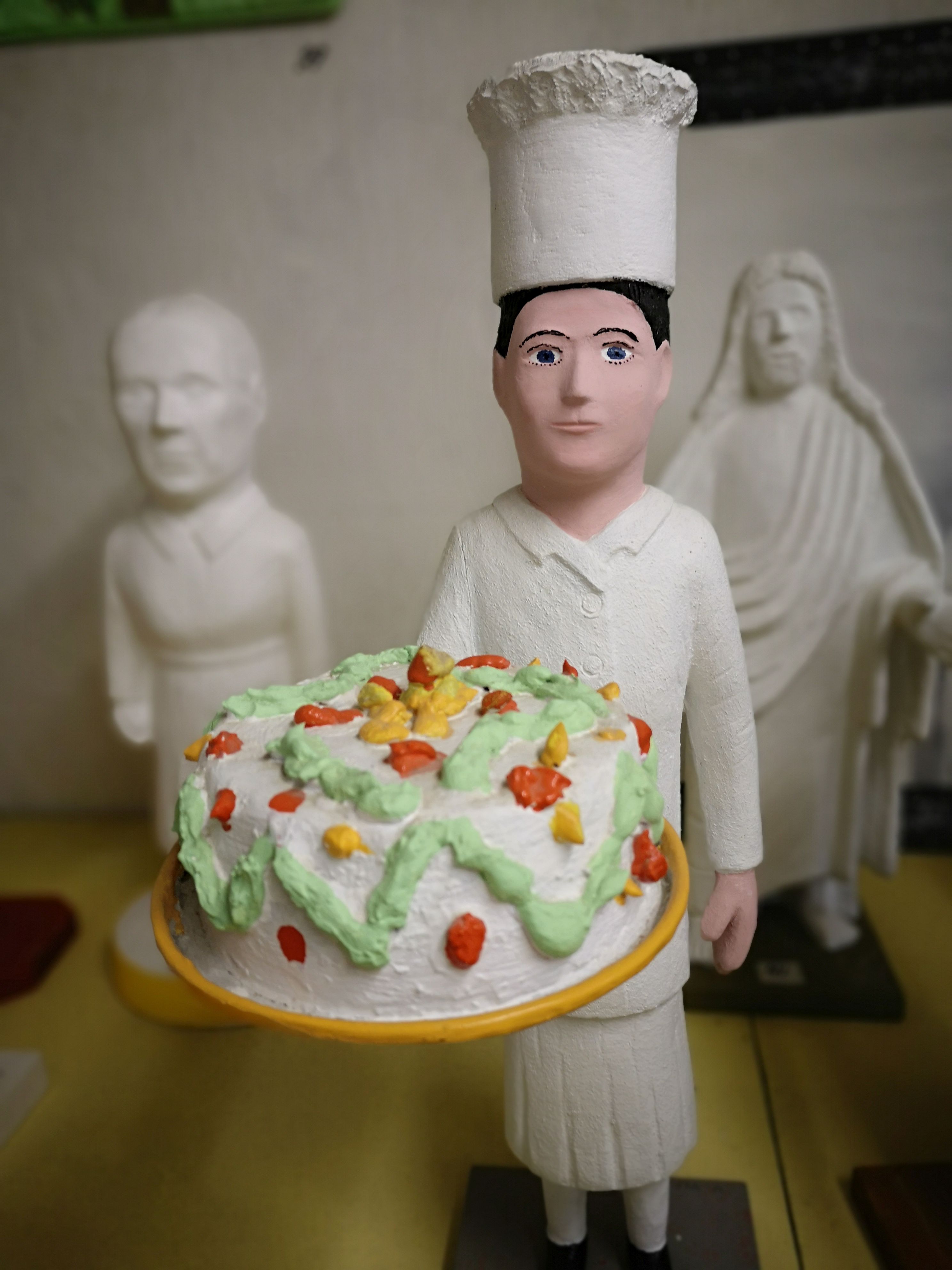
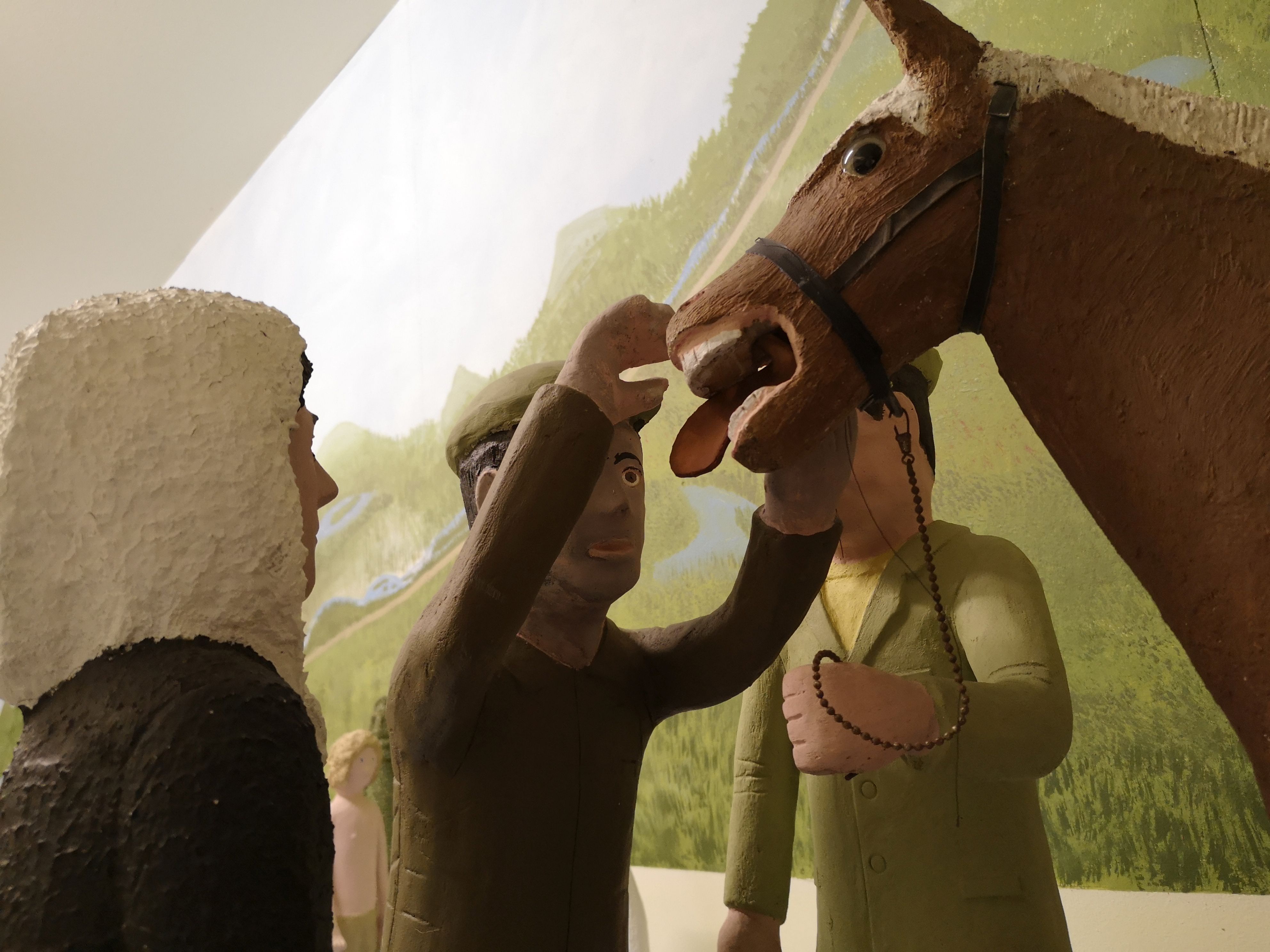
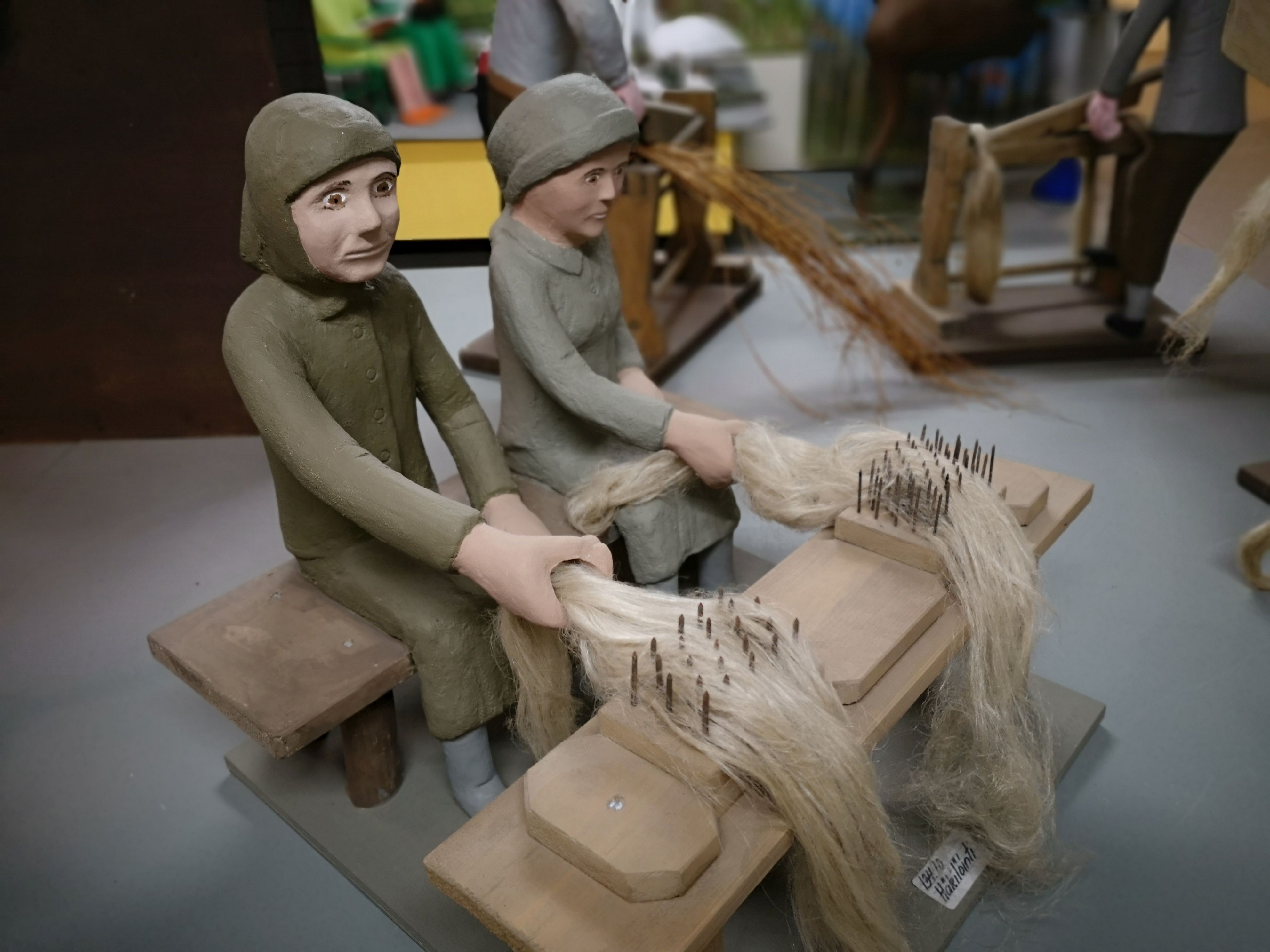
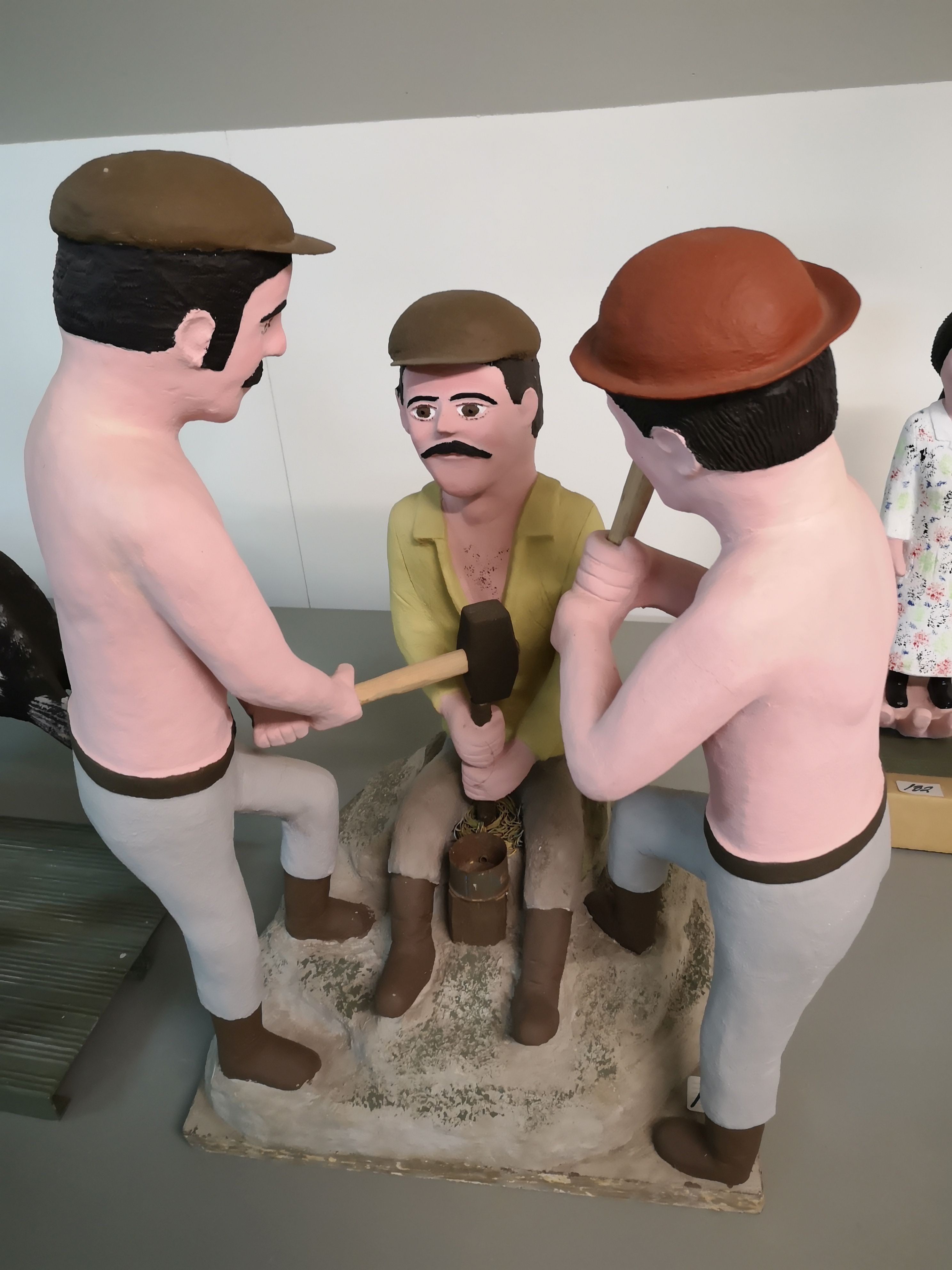
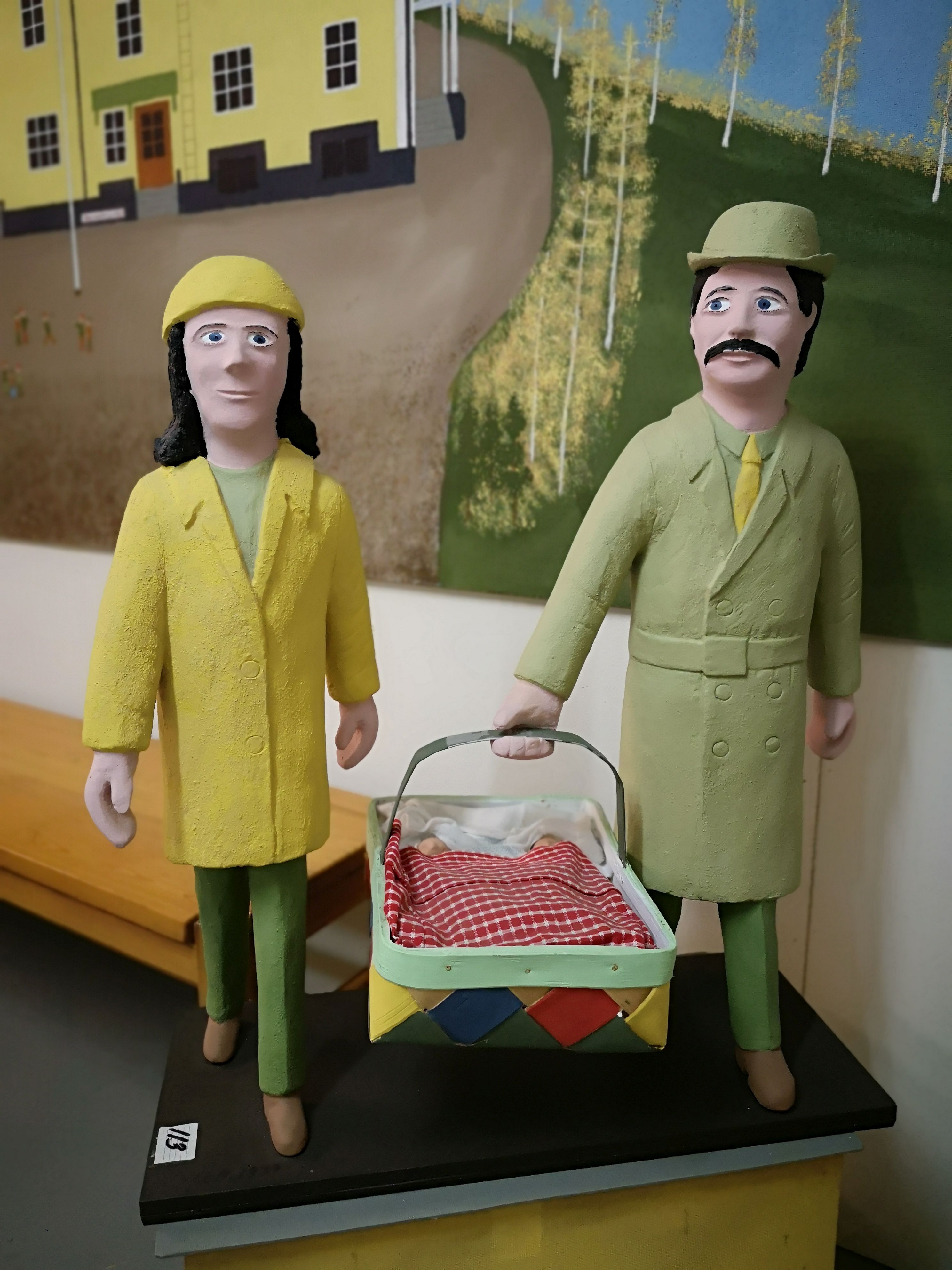
Why not drive out of the Rauma town and visit an art house in a village? Väinö Ylen (1908 – 2000) was a mason and a part time farmer. He became interested in arts after participating at the art courses in Rauma. His barn has about 200 works.
In his art
he depicts the old ways of working and the life of the village community.
His wife was a house wife and died 10 years before him. They had no children and they inherited their house and arts to Kodisjoki religious community. The house museum is currently under renovation.
Google-maps sends you to a wrong location (house number 900 something). Drive further, through Kodisjoki village, until you reach a yellow barn and a white house number 1535 on your right hand side.
Before going, check on its website Taidekoti Ylen if it is open. Address: Kodisjoentie 1535, 27310 KODISJOKI
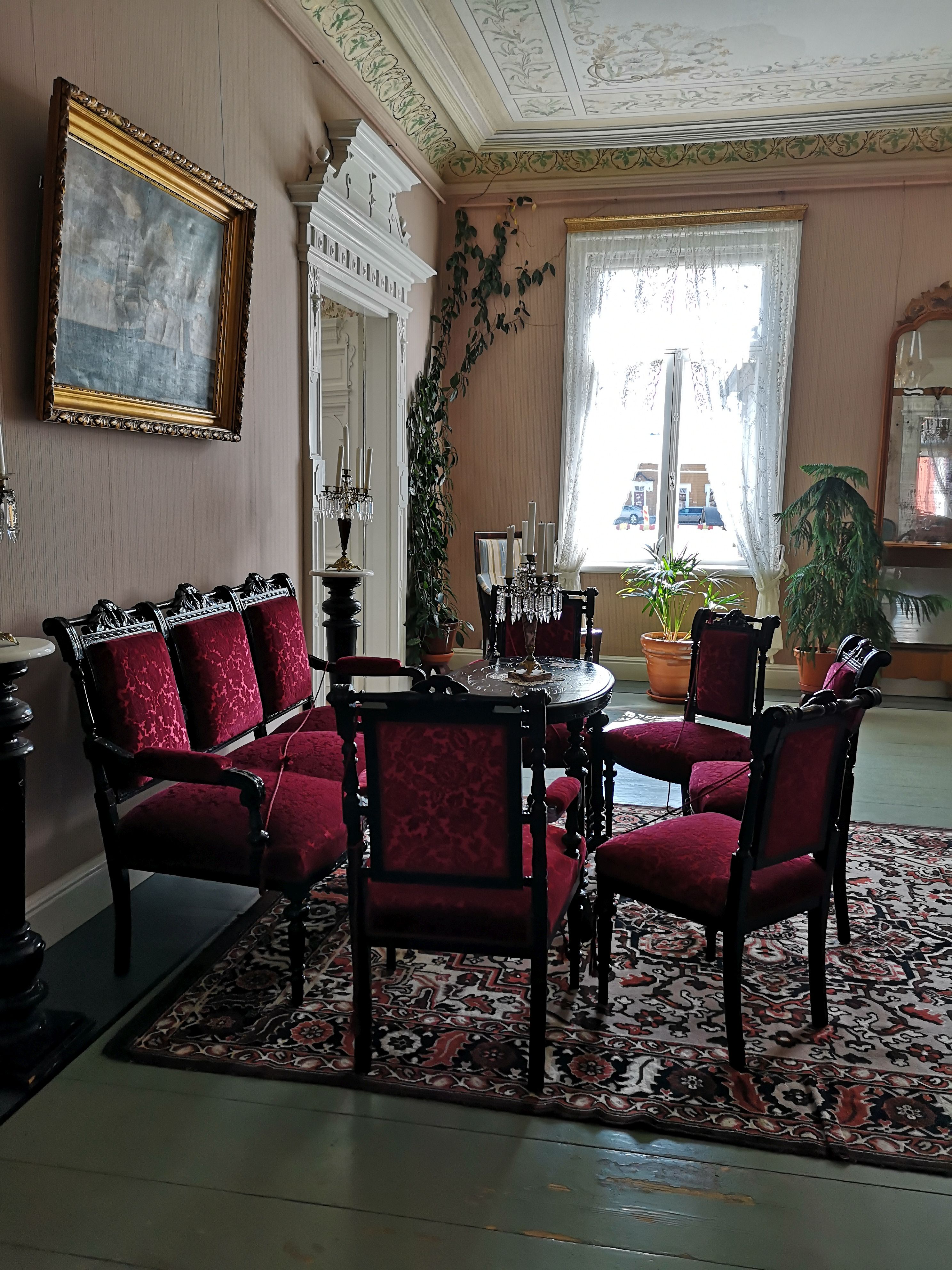
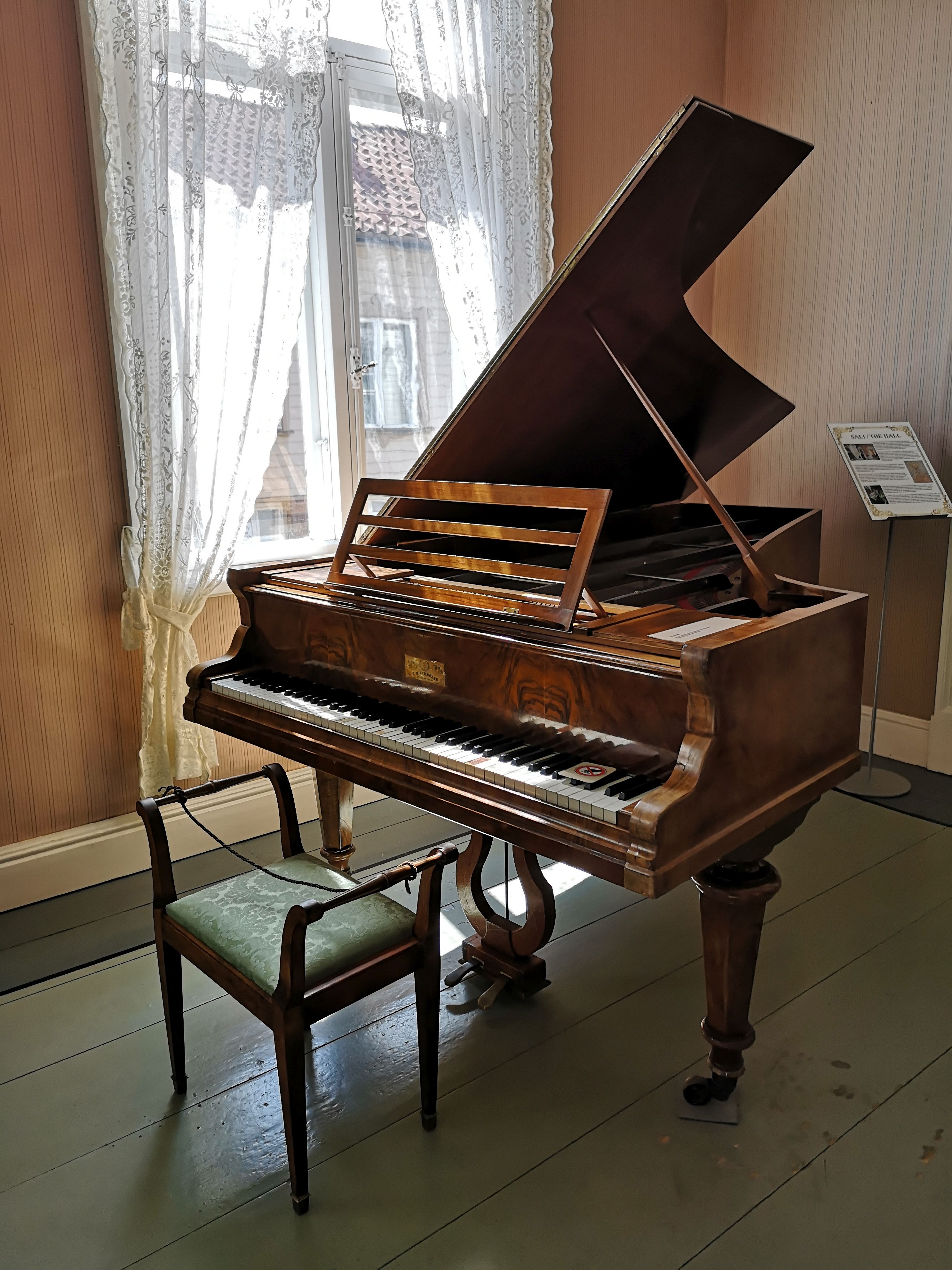
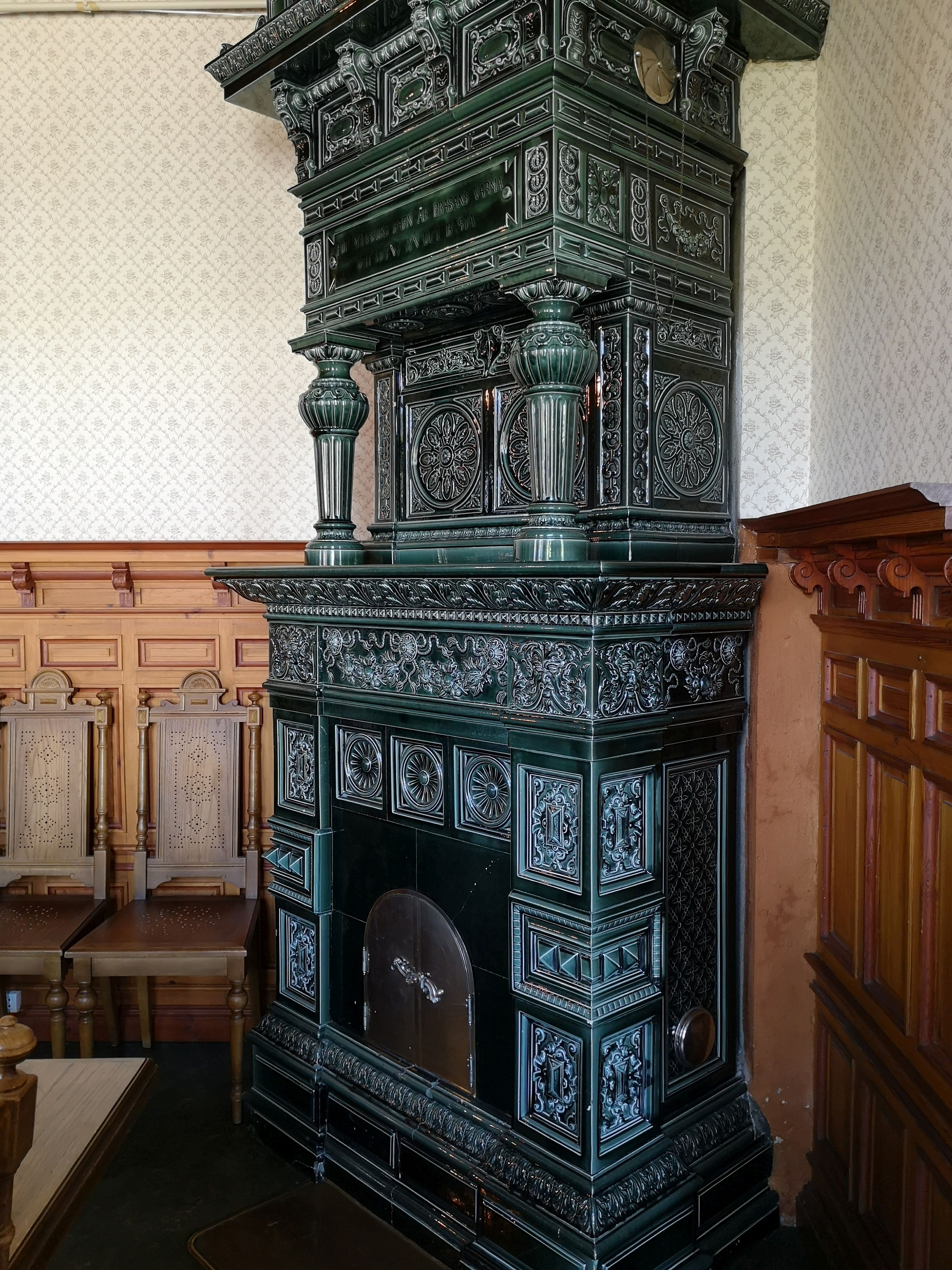
Marela shows the life and lifestyle of a wealthy
shipowner and his family at the turn of the 1900s, the golden age of seafaring
in Rauma.
The shipowner Gabriel Granlund II started off at sea at age 9. He didn’t go to school, but he knew foreign languages. His English skills, for example, were used at the peace negotiations of the Crimean War in 1855, when British ships tried to bomb Rauma.
He founded the family quite late. He was 57, when he married a 20 years younger Kristina. They had 3 sons, one of whom died in a sailing accident at an early age.
Gabriel was a rich, but stingy man. When he died in 1901, his grown-up sons and the wife started wide renovations of the house and built a summer residence Villa Tallbo (now a fancy restaurant). They went bankrupt soon. Not only because of wasting the money, but also due to the more competitive steam ships. None of their belongings can be seen at the museum, but thanks to the precise bankruptcy list, similar things have been found there.






























 Rauma private guide / Rauman opas