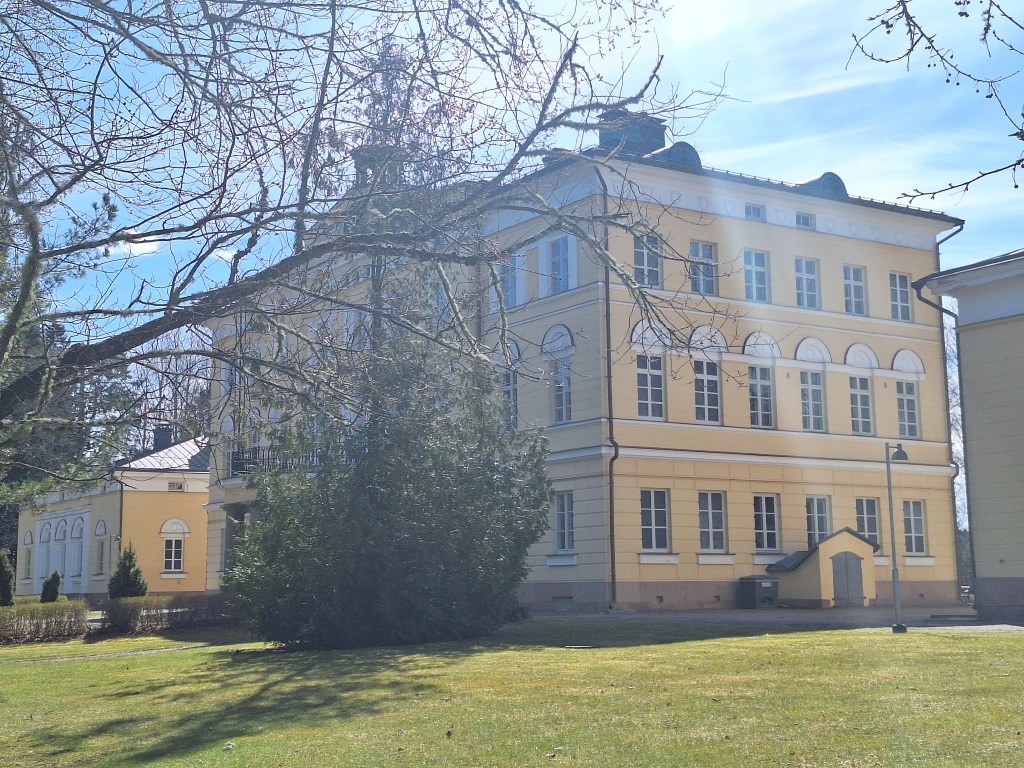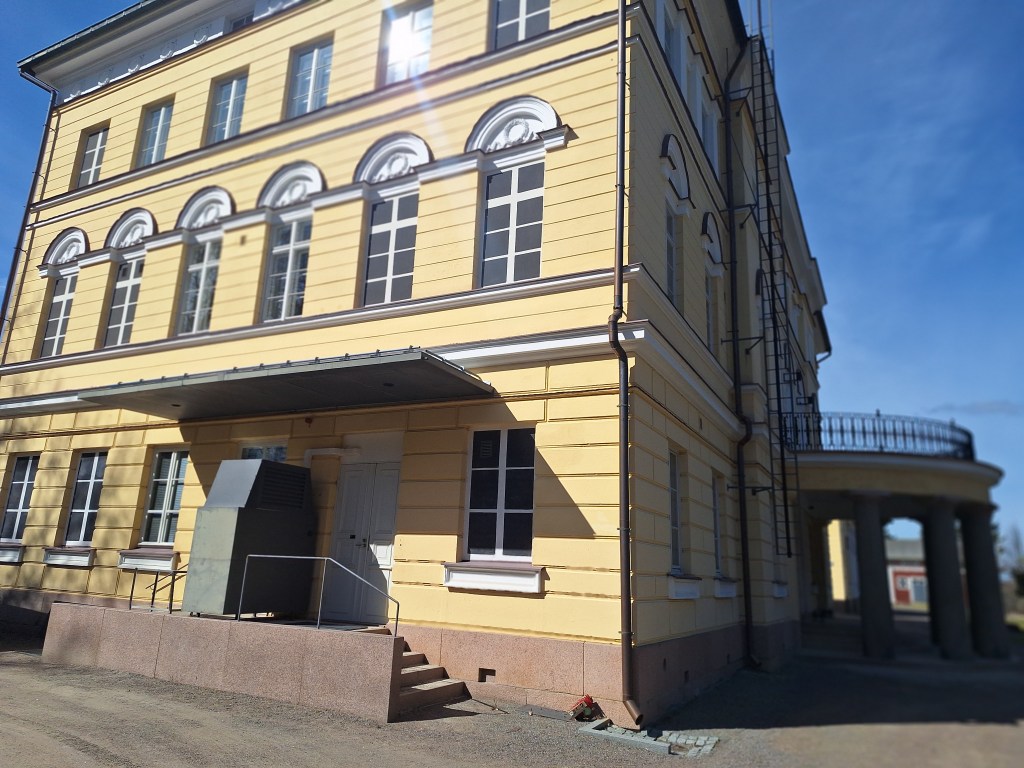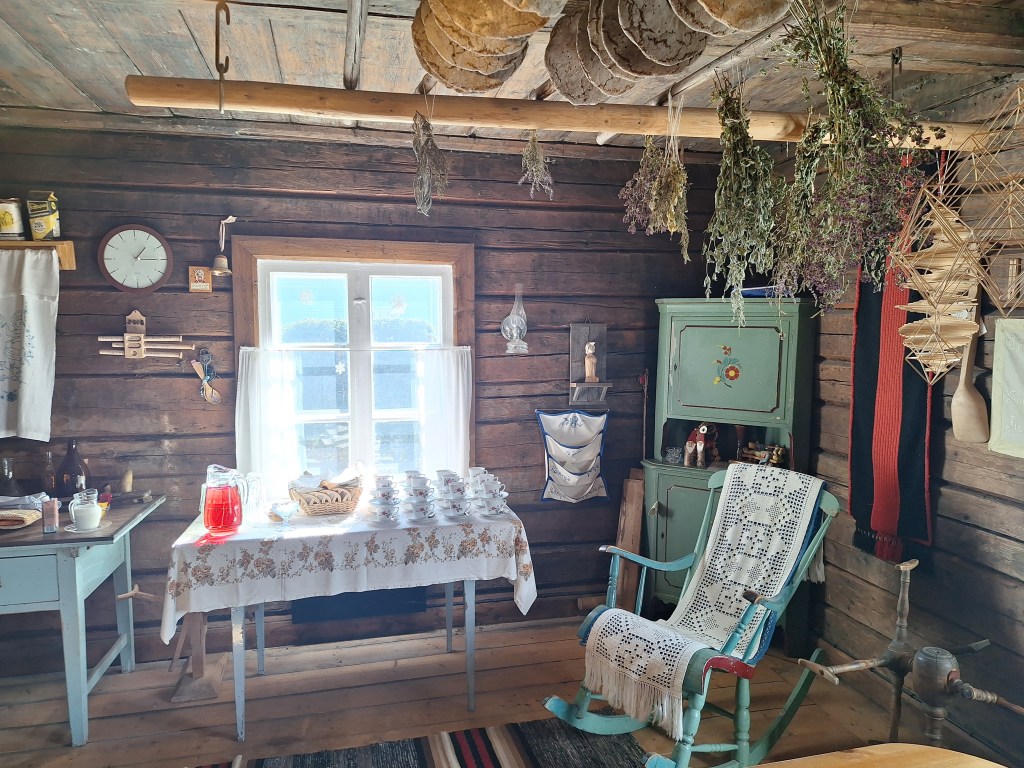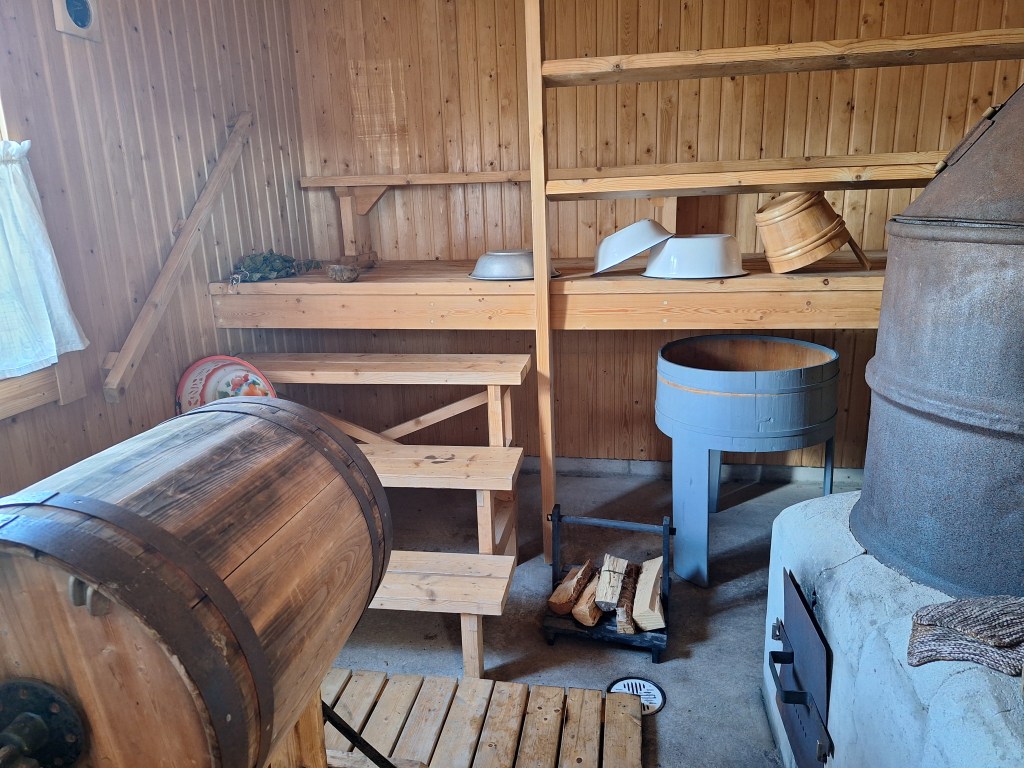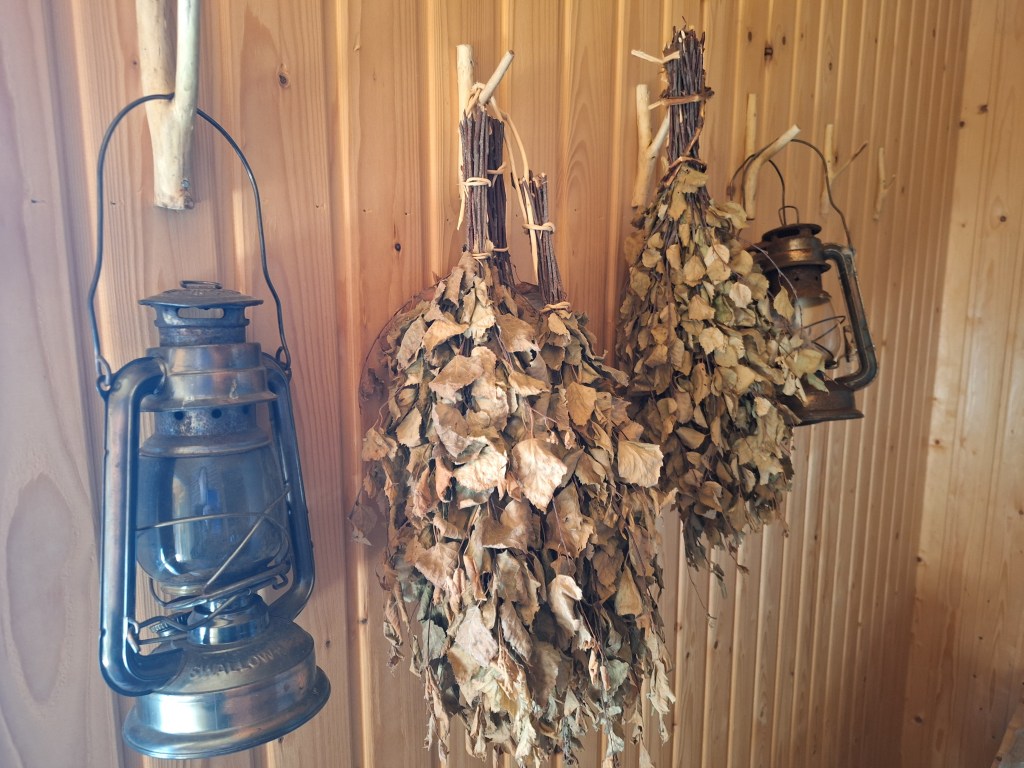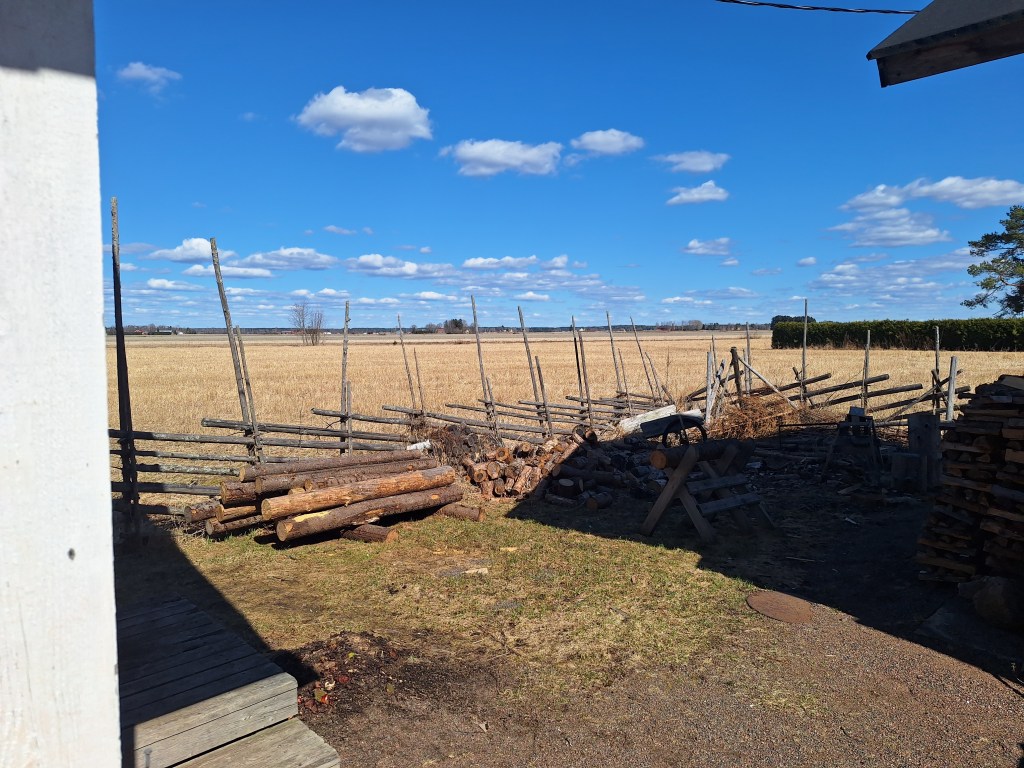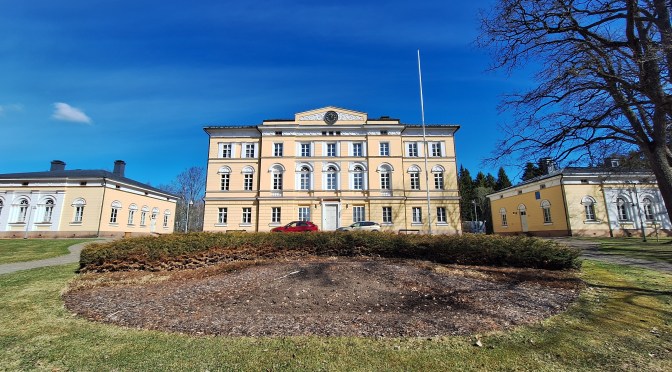
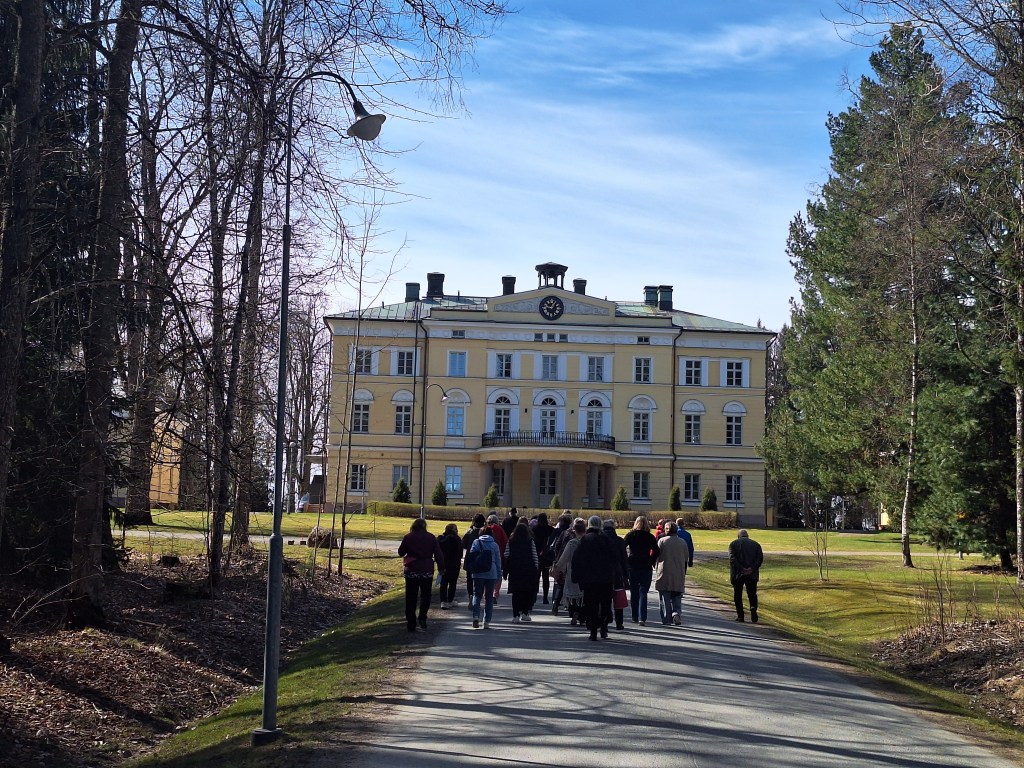
Vuojoki Manor (Vuojoen Kartano in Finnish), located in Eurajoki near Rauma, is one of Finland’s finest Empire‑style manor houses. The estate itself dates back to the 17th century, but the magnificent main building was completed in 1836, designed by architect Carl Ludvig Engel. He was Finland’s most famous Empire‑style architect (also known for Helsinki Cathedral and Senate Square).
The estate is first mentioned in historical records in the 16th century. The first manor was established in 1626 by Gottfrid von Falkenberg.
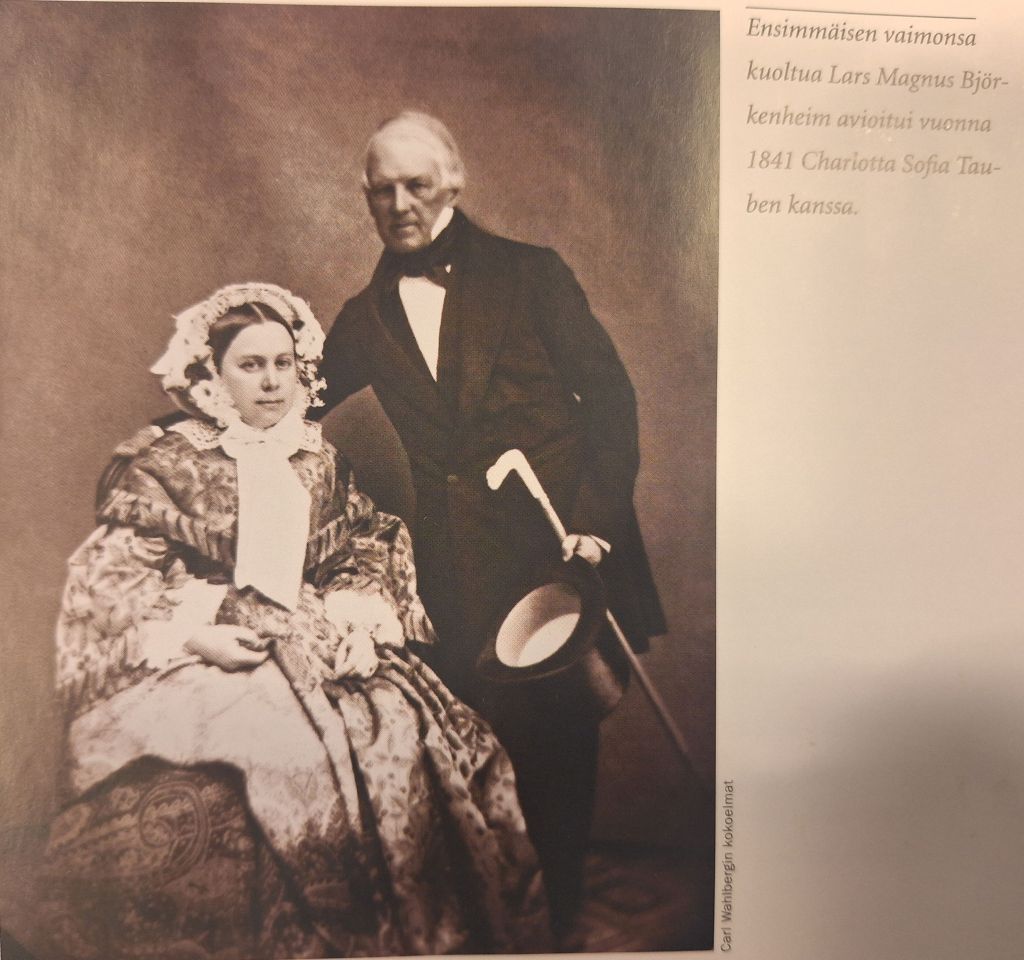
Vuojoki truly flourished in the 1830s, when it was bought by Captain Lars Magnus Björkman, later ennobled as Björkenheim. He was one of the wealthiest men in Finland at the time. He wanted to build a modern, prestigious residence that reflected his status and progressive ideas in agriculture and estate management.
Over the centuries, the manor was owned by several notable noble families, including:
- Von Falkenberg
- Åke Tott (a Swedish field marshal)
- Brahe
- Wachtmeister
- Von Fersen
- Björkenheim family (owners until 1911)
At its height, Vuojoki was the second‑largest manor in Finland, with:
- around 4,000 hectares of farmland
- vast forest areas
- hundreds of tenant farmers and workers living on the estate
Where did the wealth come from?
The fortune behind Vuojoki Manor came from:
- agriculture and forestry
- modern farming methods
- tenant farming
- experimental cultivation
A special highlight was the Orangerie (greenhouse), where exotic fruits such as pineapples and peaches were grown in the 19th century – extremely rare in Finland at the time.
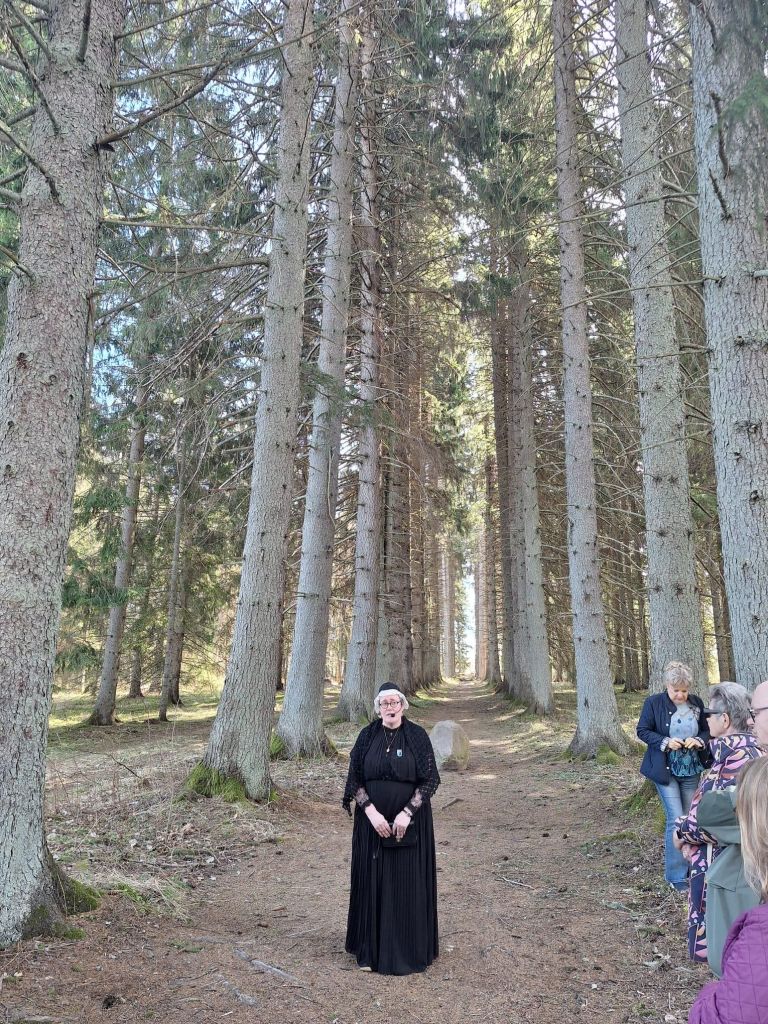
The Kuusisto grove – whispers among the trees
The manor park includes the Kuusisto, a spruce grove known for its quiet atmosphere. For generations, this has been described as a place where people felt something “different” — calm, heavy, or expectant. The Kuusisto appears repeatedly in oral tradition as a setting for reflection, secrets, and unspoken stories rather than documented events. The trees were planted in 1840 and are quite high and old now.
Emil Cedercreutz’s grandma’s home
Vuojoki Manor was also the grandmother’s home (mummola) of Emil Cedercreutz (1879–1949), one of Finland’s most important sculptors and cultural figures. His mother, Johanna Lovisa Björkenheim, was born at Vuojoki.
Cedercreutz became famous for sculptures that portrayed working people, animals, and especially horses, with deep empathy and realism. His well‑known works include The Ploughman (Kyntäjä) and Mother’s Love (Äidinrakkaus), and his legacy lives on in the Emil Cedercreutz Museum in Harjavalta.
Steam, forest and a railway to the sea
Vuojoki was not only a place of fine living but also of industrial power. In the early 20th century, the manor’s forests were logged intensively. To transport timber, the Vuojoki forest railway (Vuojoen metsärata) was built in 1912.
- The narrow‑gauge railway ran 23 kilometres
- It connected the forests to Verkkokari harbour at the mouth of the Eurajoki river
- Timber was then shipped onward by sea, including to Rauma
- The trains were pulled by steam locomotives
- The railway operated until 1918.
- In 1934, Vuojoki Manor was purchased by the Municipality of Eurajoki.
- From 1936 to 2003, it served as a municipal nursing home, which significantly altered the interiors.
- A major restoration was completed in 2004–2005, restoring the Empire‑style rooms and colors.
- Today, Vuojoki Manor is a cultural, conference, and visitor centre open to the public. Most recently, the buildings were leased for corporate use, but that lease ended in early 2026.
As of spring 2026, Vuojoki Manor is not freely open for walk‑in visitors indoors, but: - the grounds, park, and surroundings can be visited
- pre‑booked guided tours are available for groups
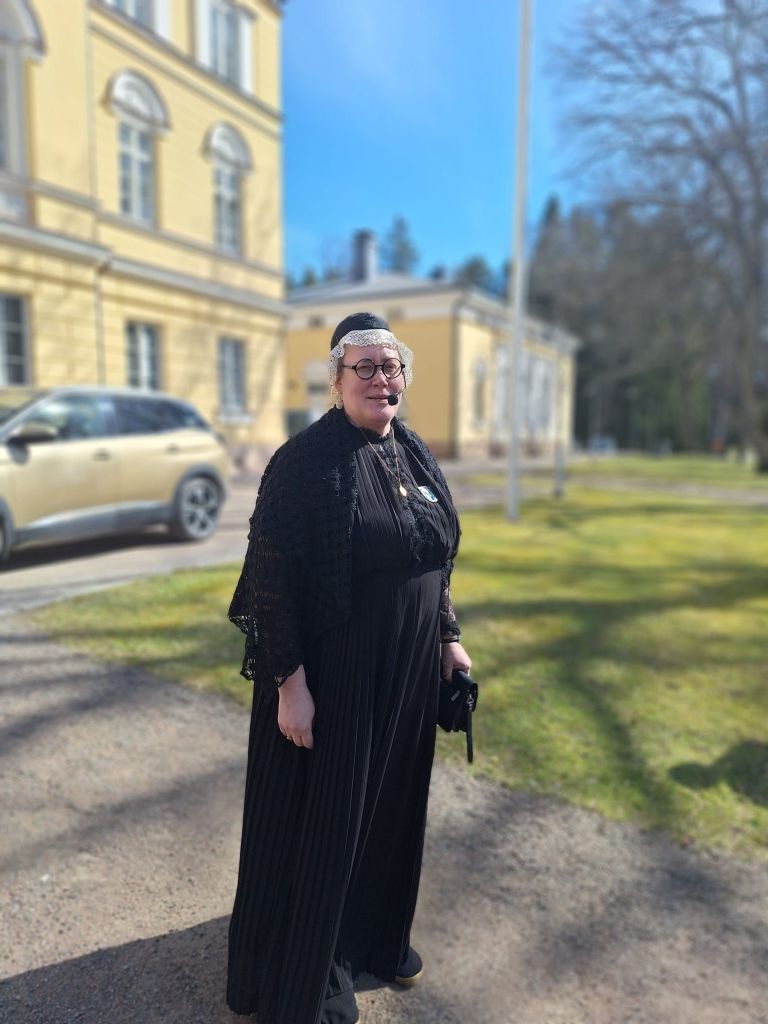
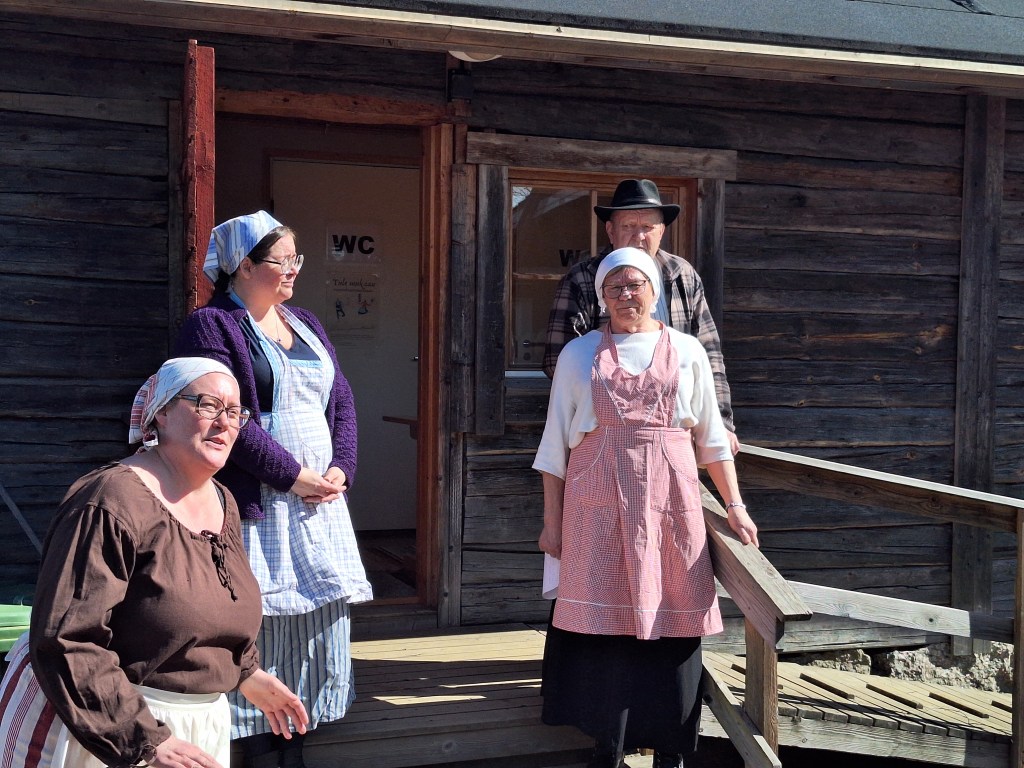
- themed and role‑guided tours allow visitors to see the restored interiors
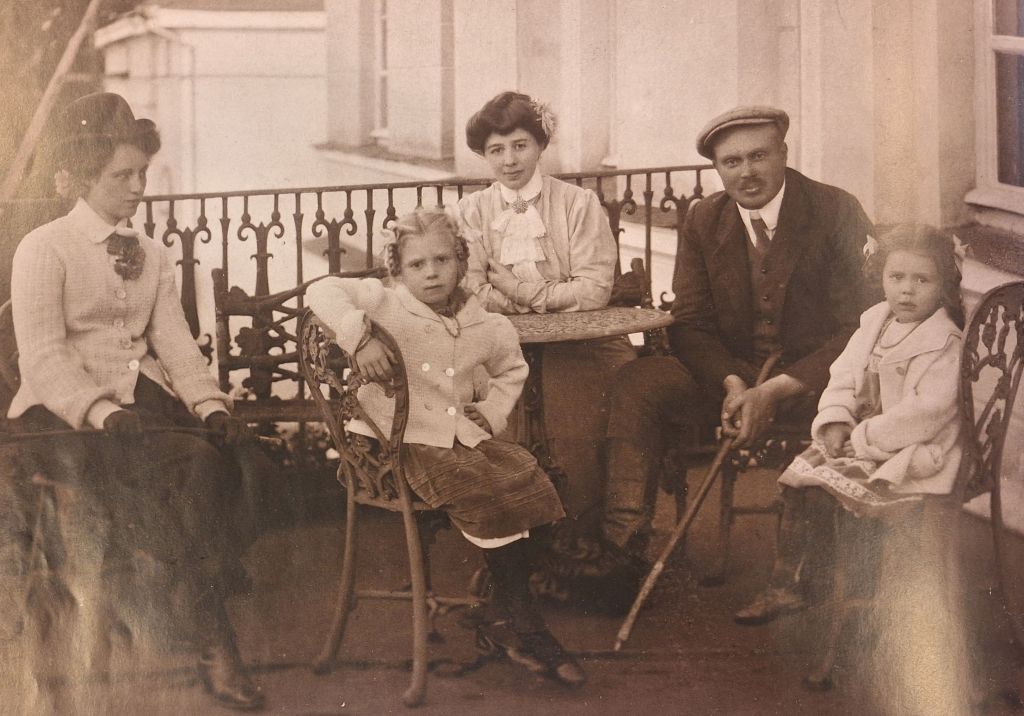
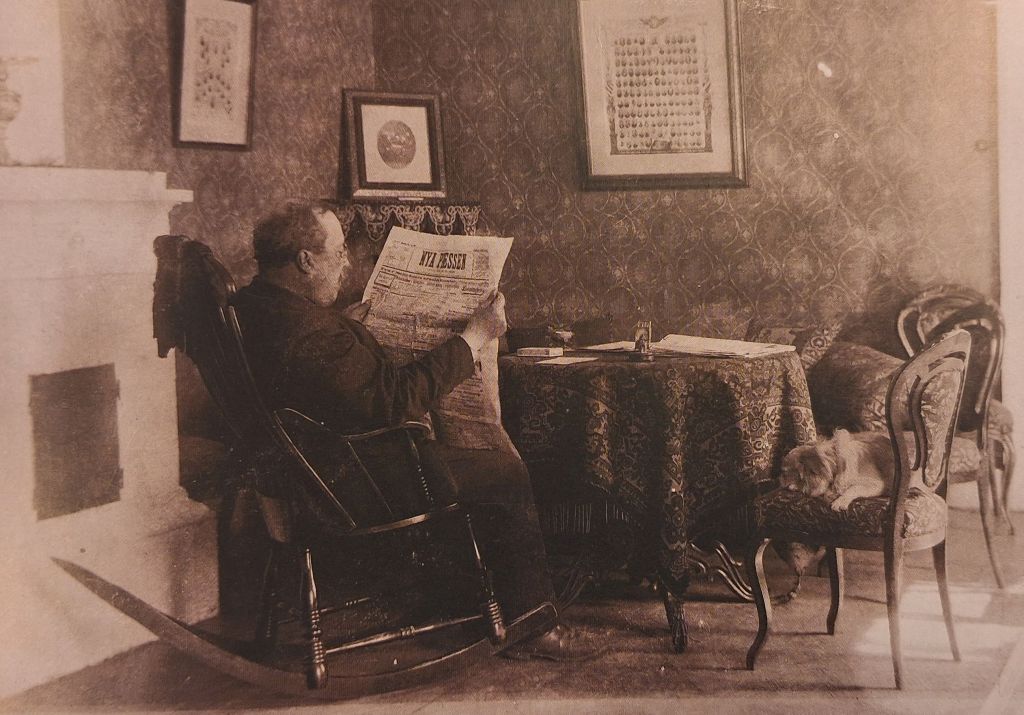
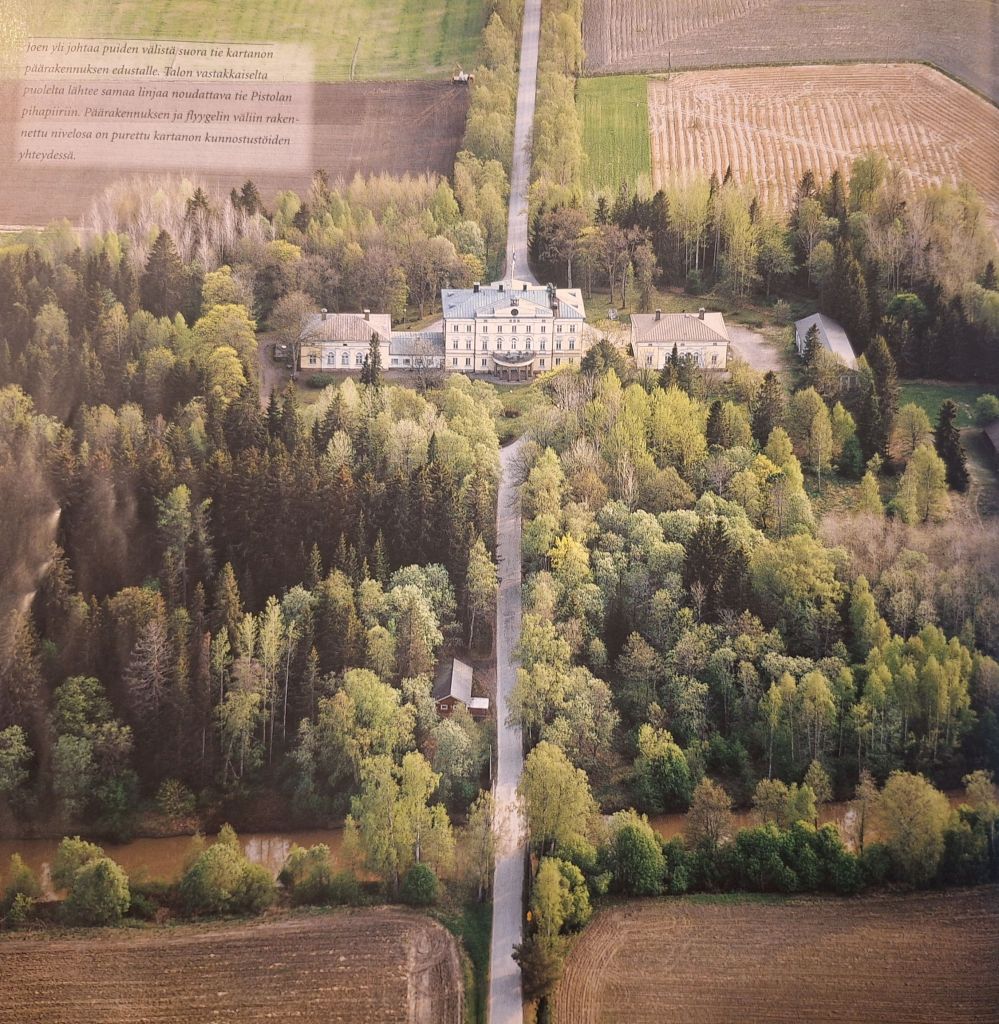
Old pictures and the birdview photo are from a book called Vuojoen Kartano by Ylönen and Valli-Jaakola
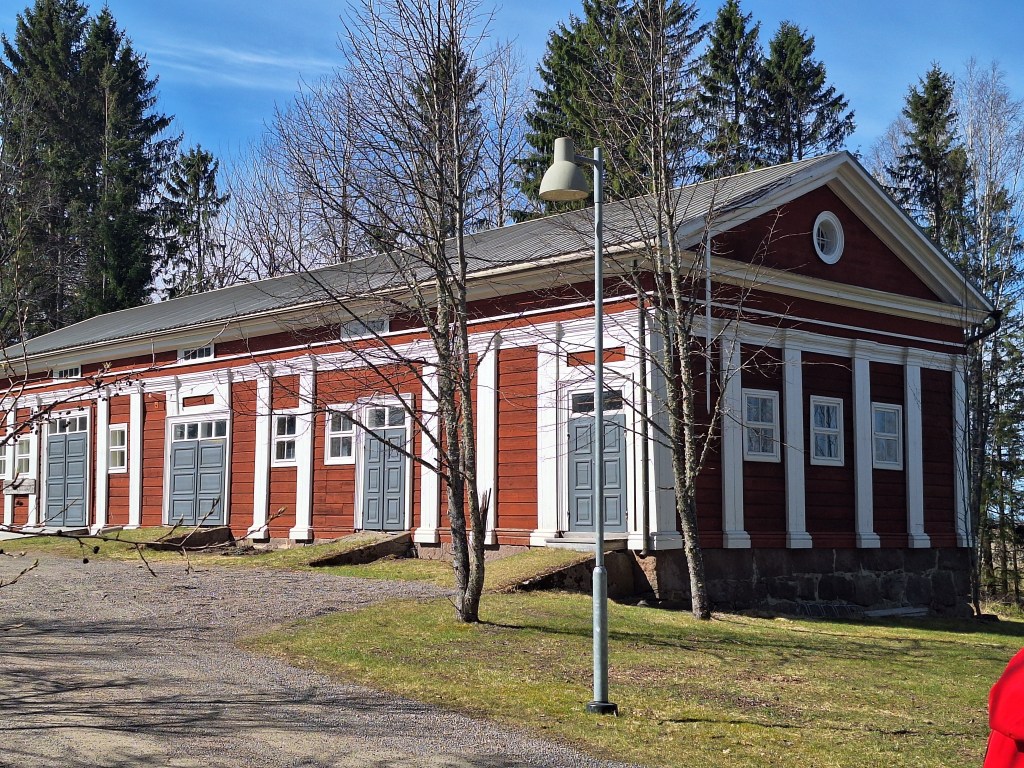
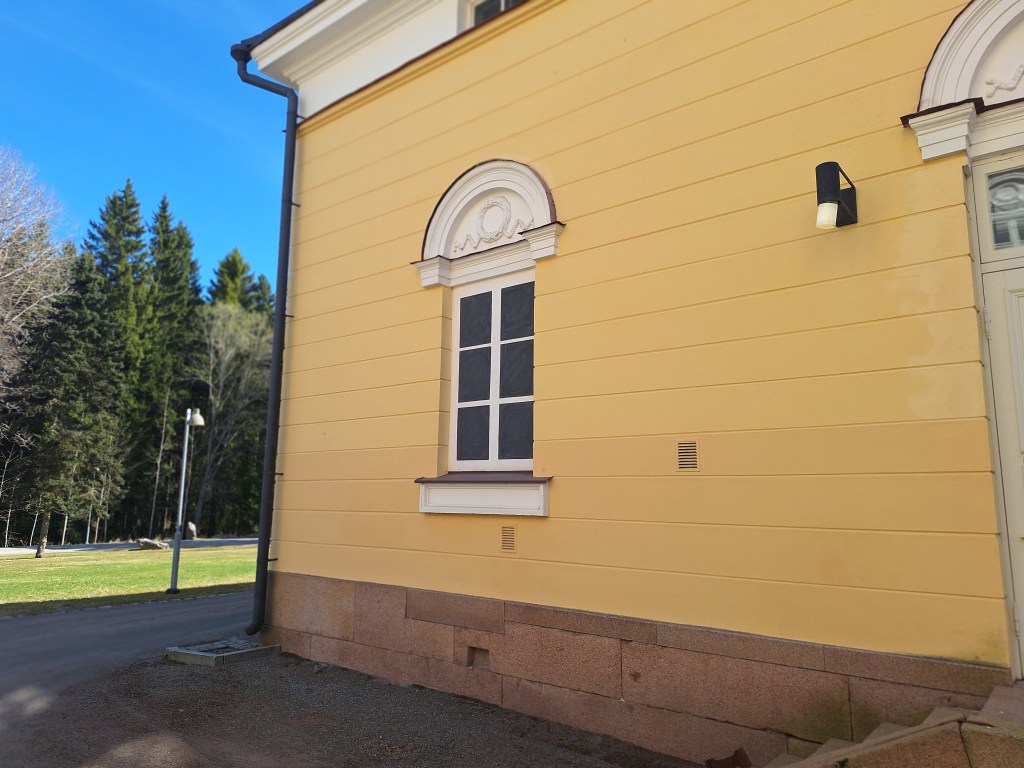
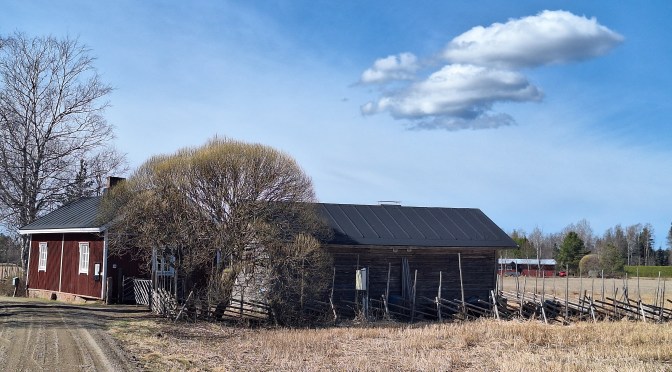
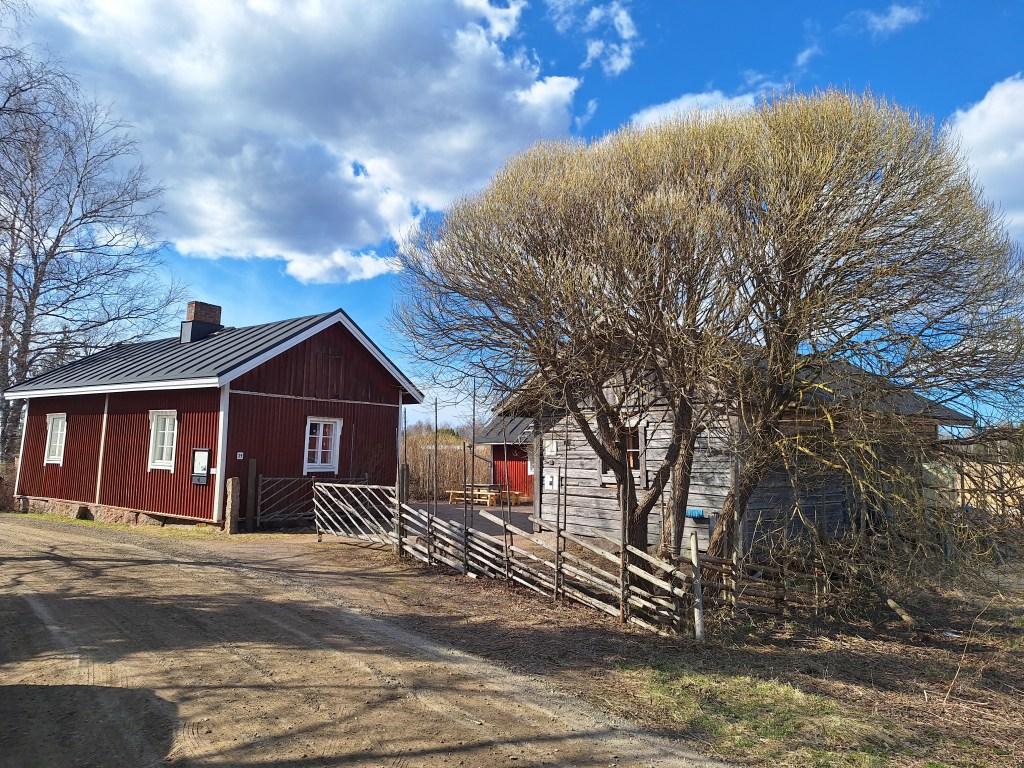
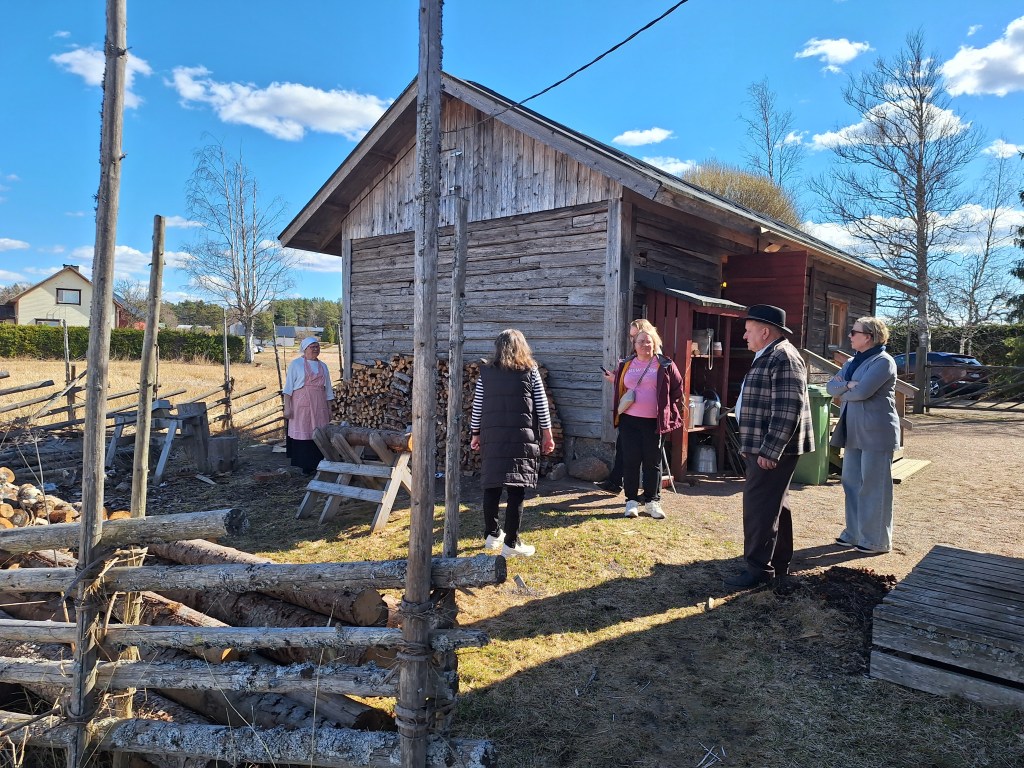
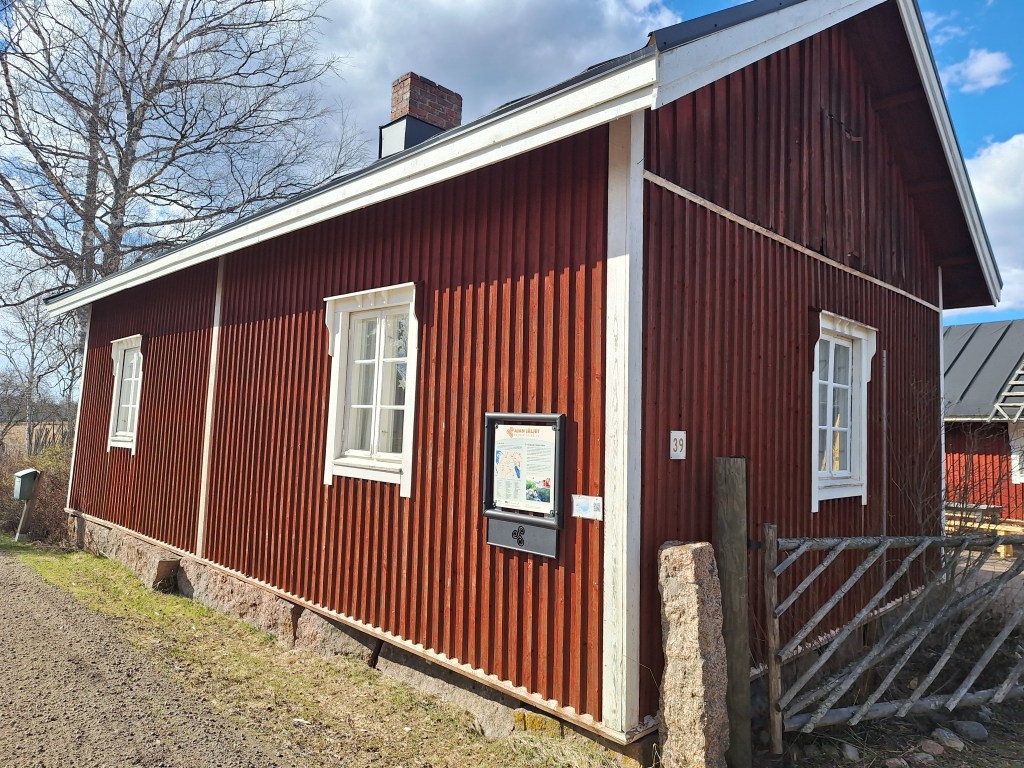
You see the fake windows on the pictures. It had to look symmetrical, hence fake windows were made. The red house has 3 horse carriages.