Rauma used to be a well known spa town in the mid 1700ies and 1800ies. Rich people from Finland would come to drink the magic waters of the Kaivonpuisto spa. They would stay in one of the summer residents near the seaside or in the old town of Rauma.
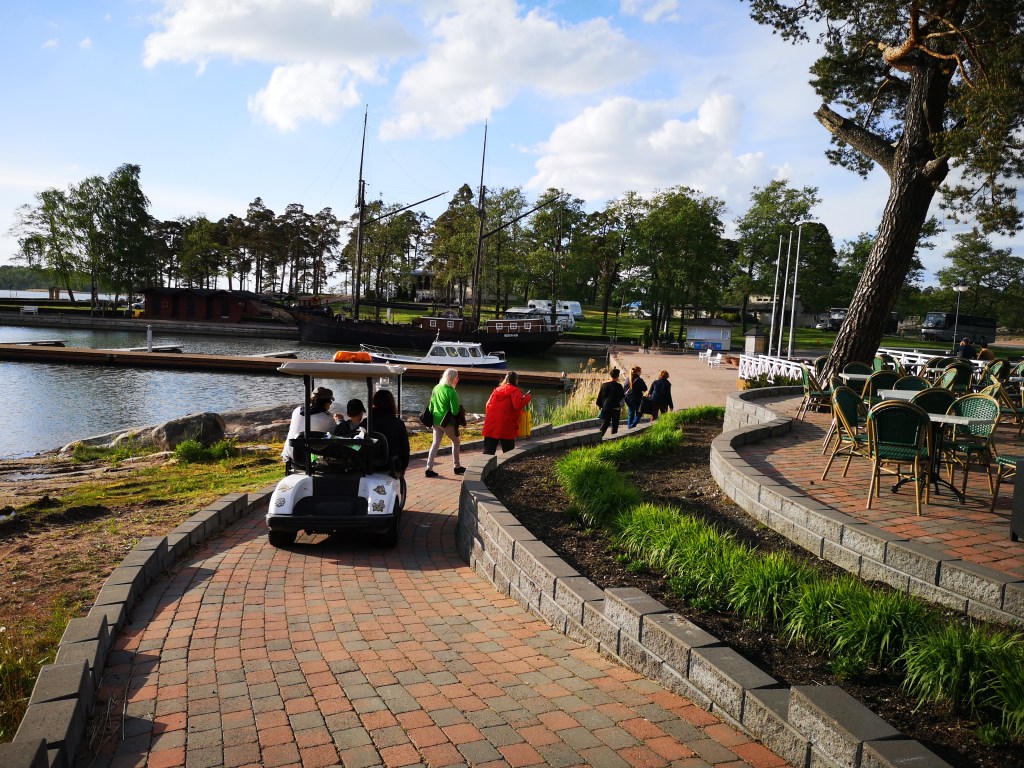
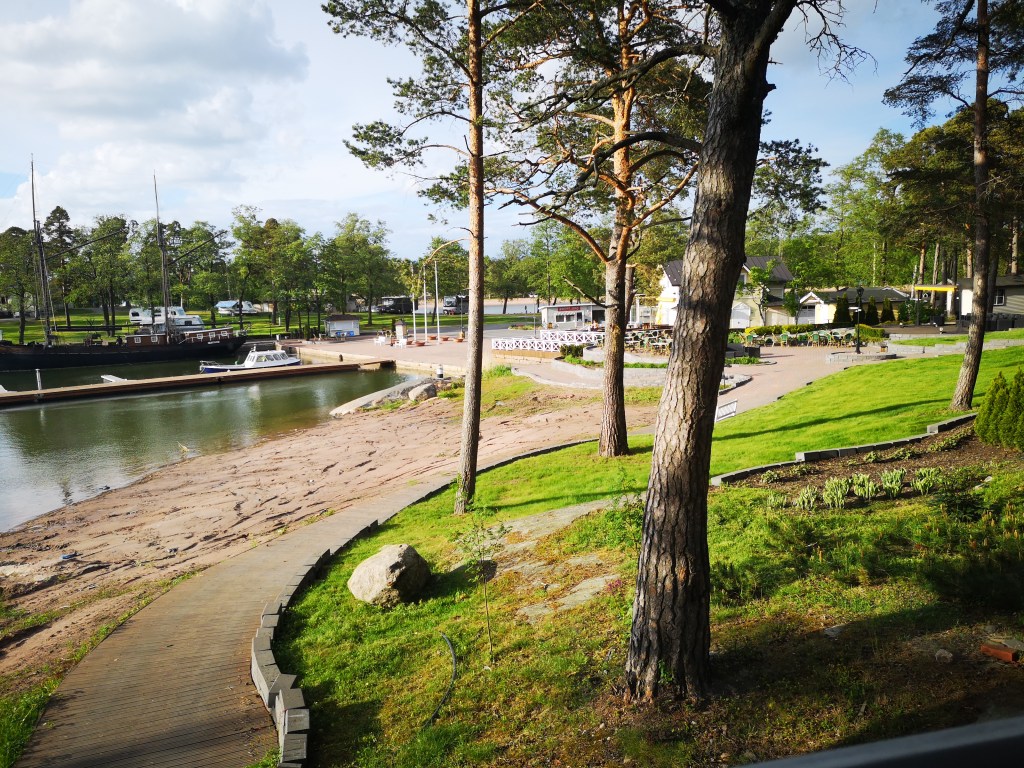
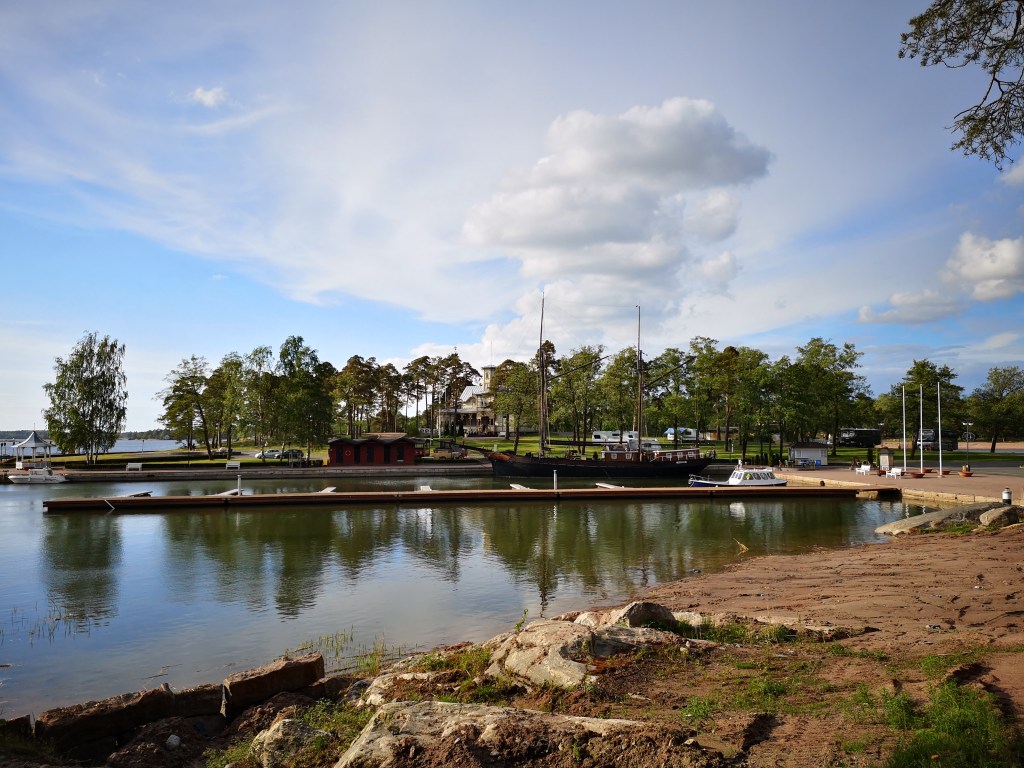
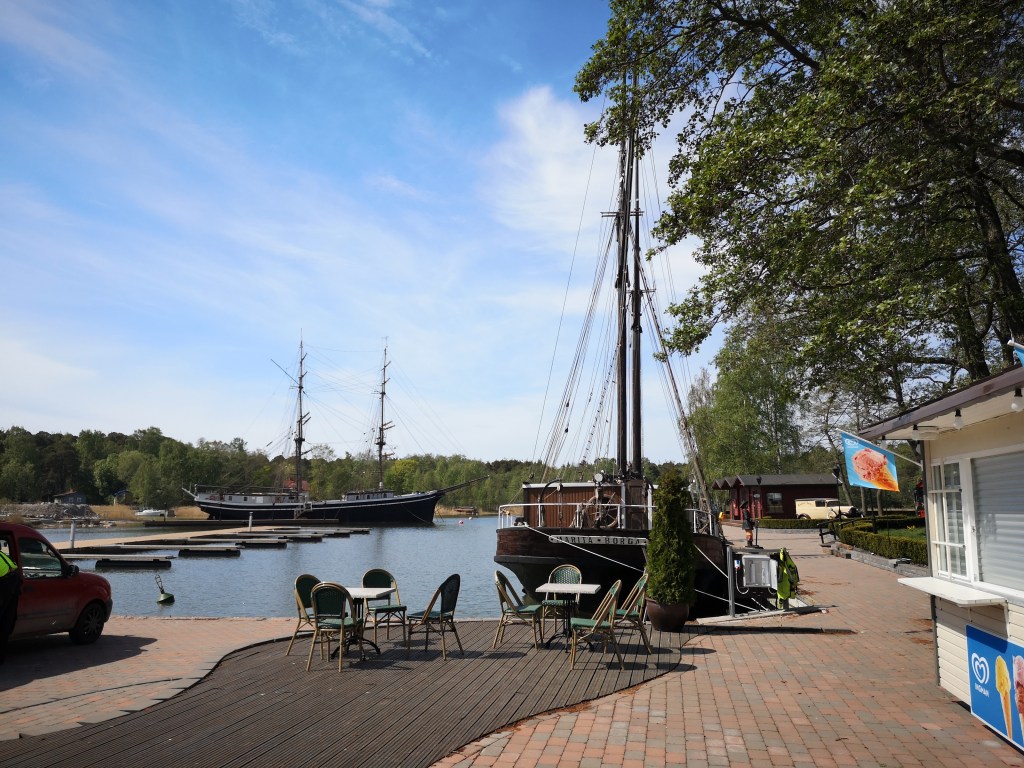
Not much is left to remind us of the spa time, except the renovated “outdoor terrace” of the Kaivonpuisto park that is now located at the Poroholma seaside area (left on the picture).
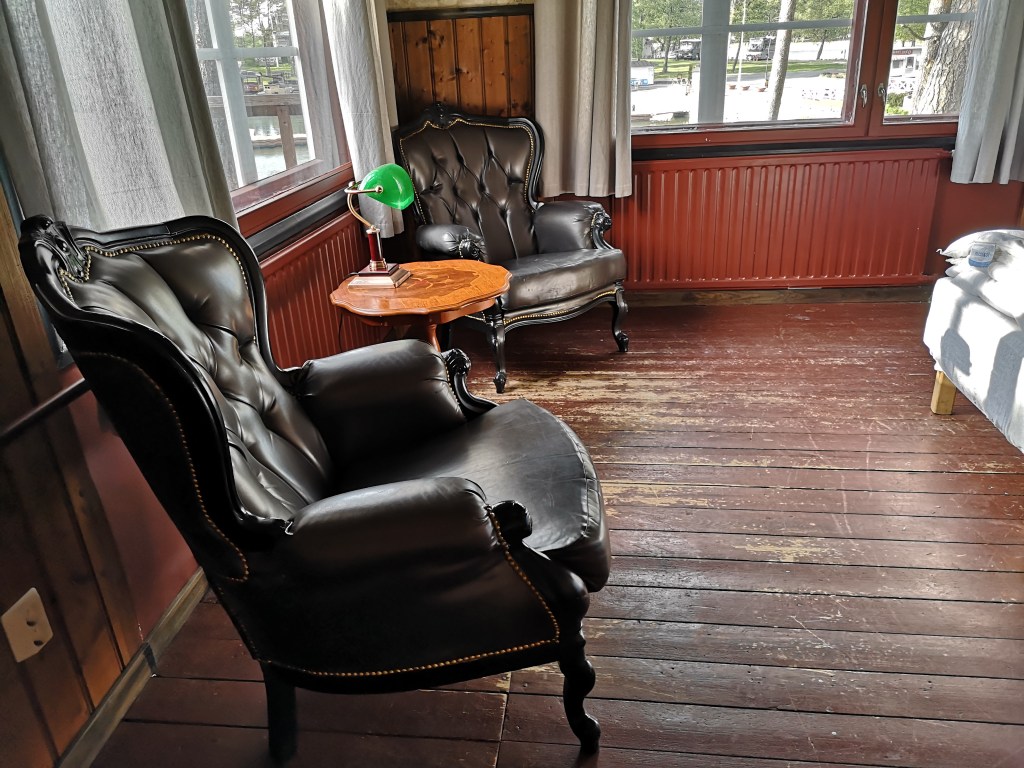
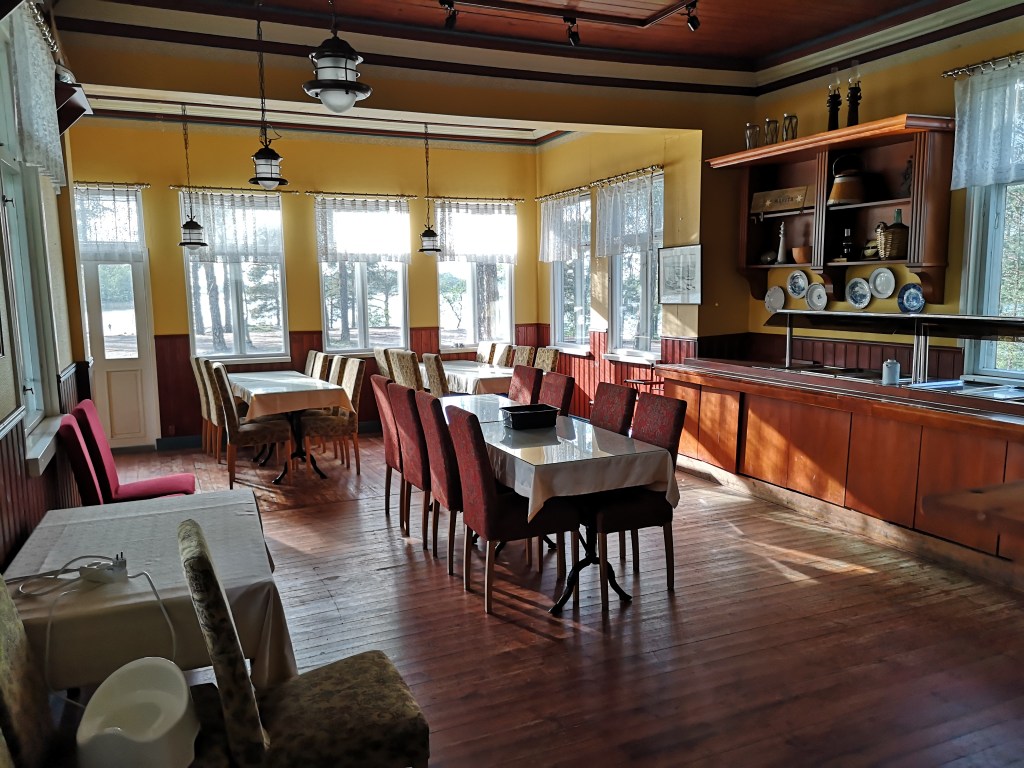
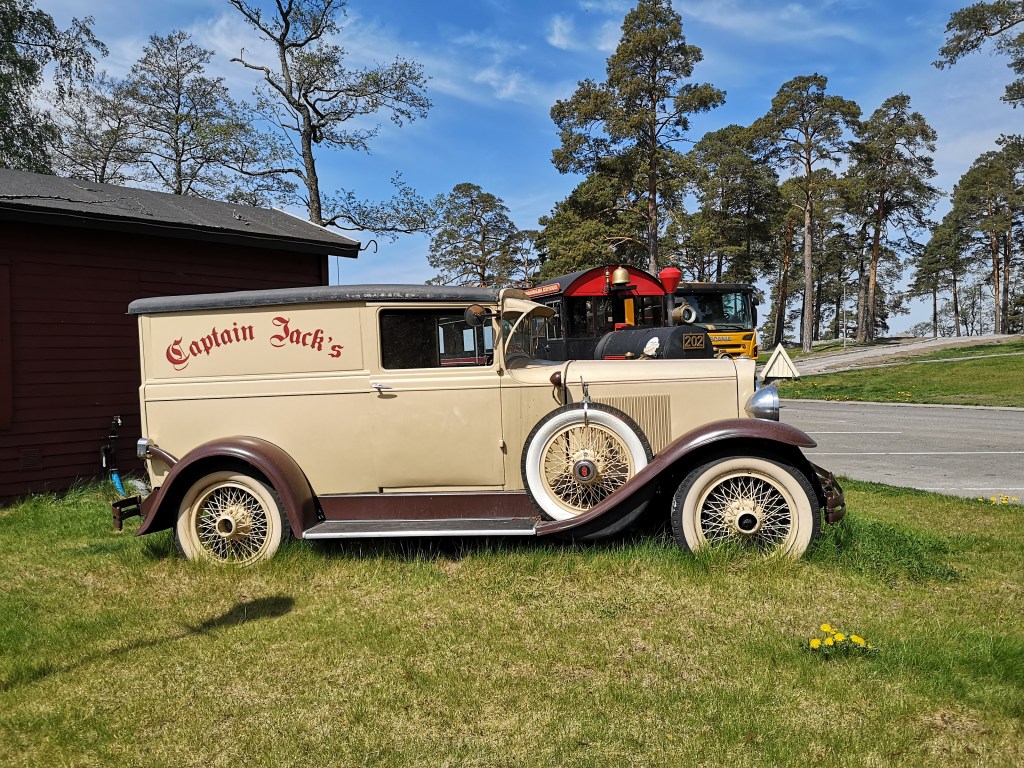
Poroholma is a 5 star camping area built around an old summer resort from 1880ies. The seashore has moved kilometers away from where it used to be near the old town border.
Although a seaside town, Rauma is rather an industrial town. Spa industry would bring more tourists and activity to the town all year round.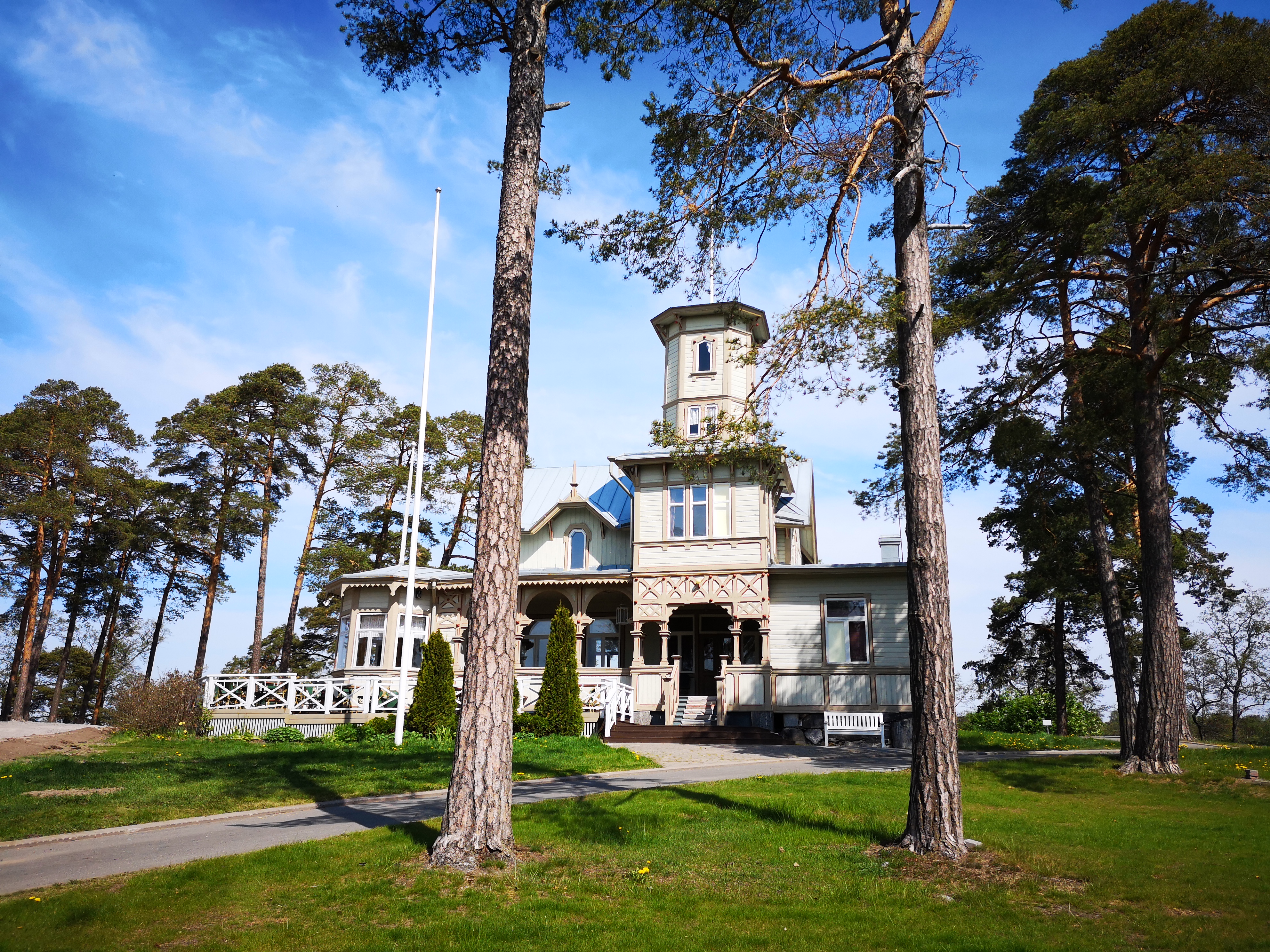
There is a famous 3-day festival on the St John’s Day that brings along 35 thousand young people at the end of June.
Raumanmeren juhannus – info
Read more here
More pictures here
Category Archives: History




Bronze age burial site
The archaeological site of Sammallahdenmäki consists of 36 stone burial cairns. Visit this place with a guide. It feels so peaceful in there. End up the tour with a lunch at Kivikylän Kotipalvaamo meat factory.
Sammallahdenmäk is located in Lappi, 20 km from Rauma City center (direction Tampere).
The site, dating back to Bronze Age, was inscribed on the World Heritage List in 1999.
The complex presents a good sample of different kinds of burial cairns used during the Bronze Age:
– low and round small cairns,
– large mound-like cairns,
– round cairns with stone circles.
Towards the west, one can catch a glimpse of reedy Lake Saarnijärvi, which was still an arm of the sea in the Bronze Age.
The best-known archaeological features of Sammallahdenmäki are: 1. the wall-like “Long Ruin of Huilu”
(measuring some 24 metres long by 8 metres wide).
2. the quadrangular “Church Floor
(unique in all of Scandinavia; a stone structure that resembles a flat floor and measures roughly 19 x 18 metres square).
There is so much more to it than the pure untouched nature! Listen to how the people lived those days. How they moved around when there were no roads. The stone piles were actually a sign to men on sea about the families who lived there.
What they ate and how they stored food for the winter. What their cottages were like. What they did on a spare time.
Just for a comparison, the world’s oldest shipwreck found recently dates back to 2400 years. You can see how the ships looked like those days. Imagine tradesmen come over to the rocky Finnish coast, selling bronze or metal tools or jewelry, asking for food or a bed in return. Or animal fur or skin. The locals always took a protective approach when seeing strange ships, in case people came with bad thoughts.

