Rauma used to be a well known spa town in the mid 1700ies and 1800ies. Rich people from Finland would come to drink the magic waters of the Kaivonpuisto spa. They would stay in one of the summer residents near the seaside or in the old town of Rauma.
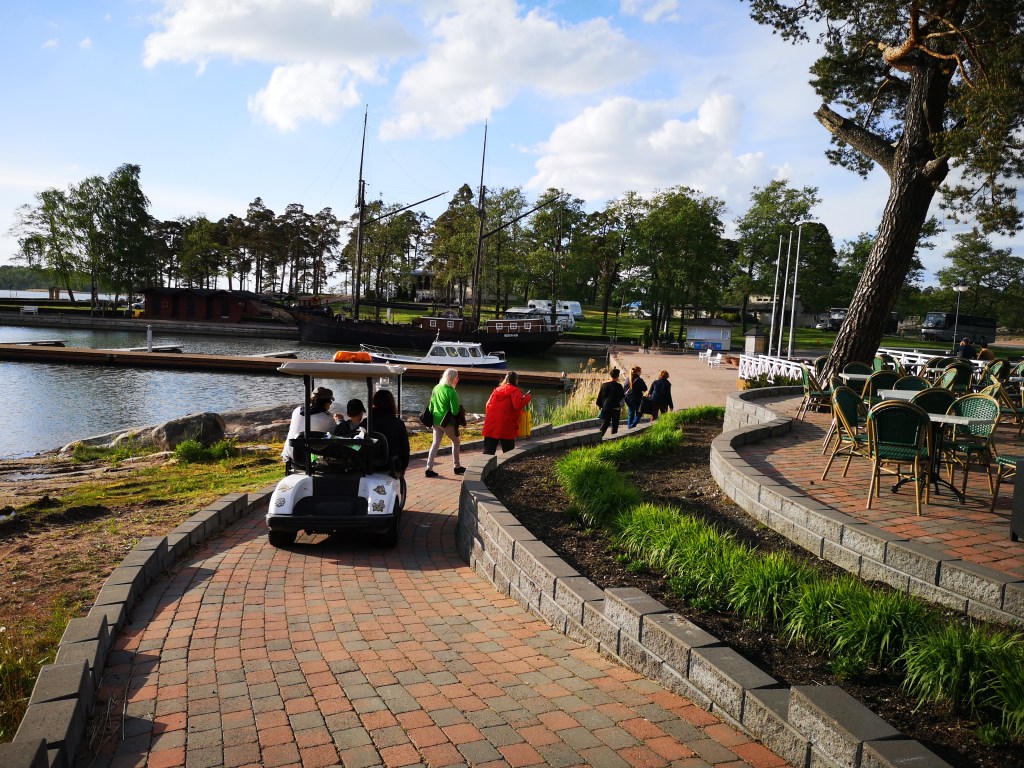
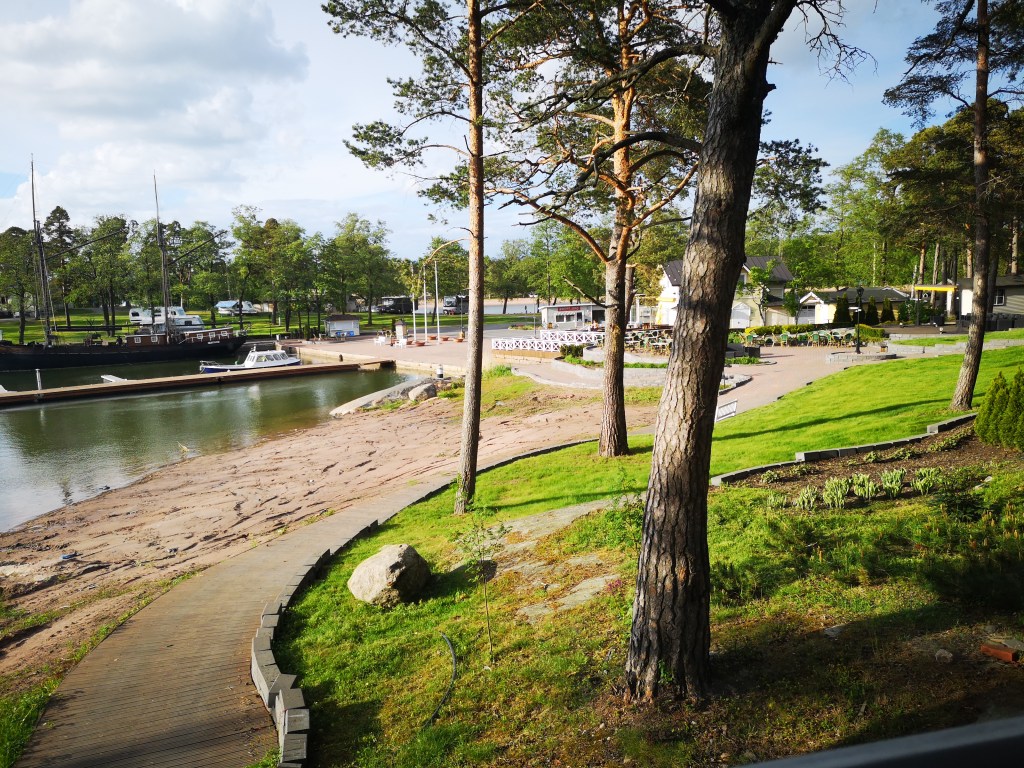
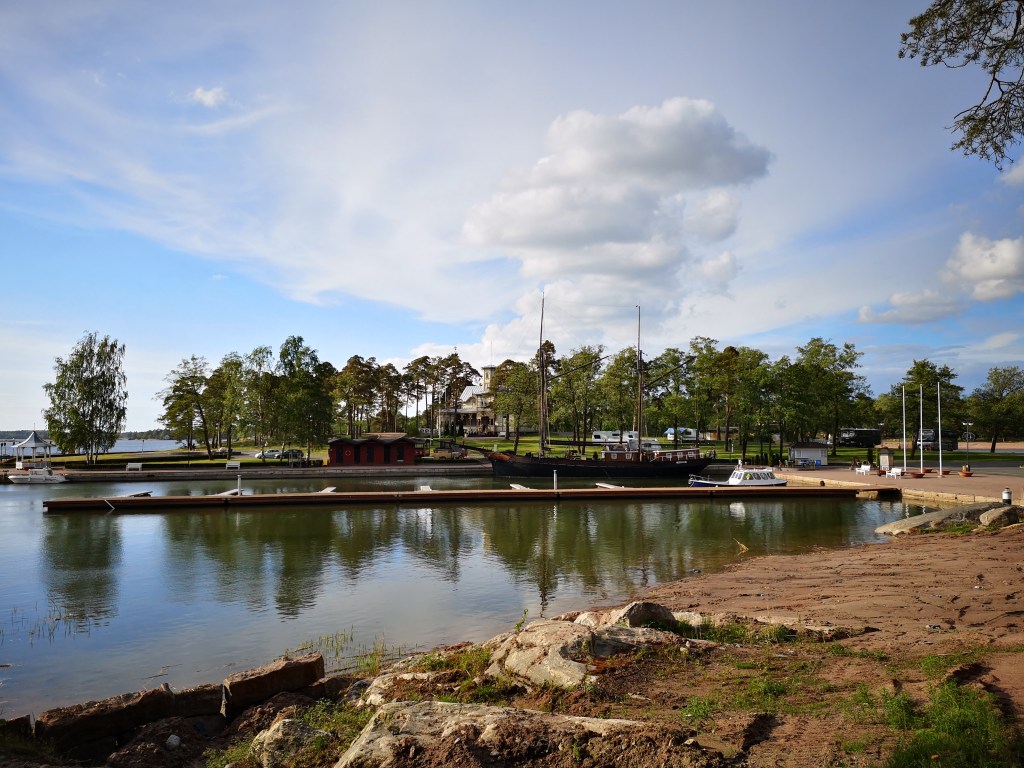
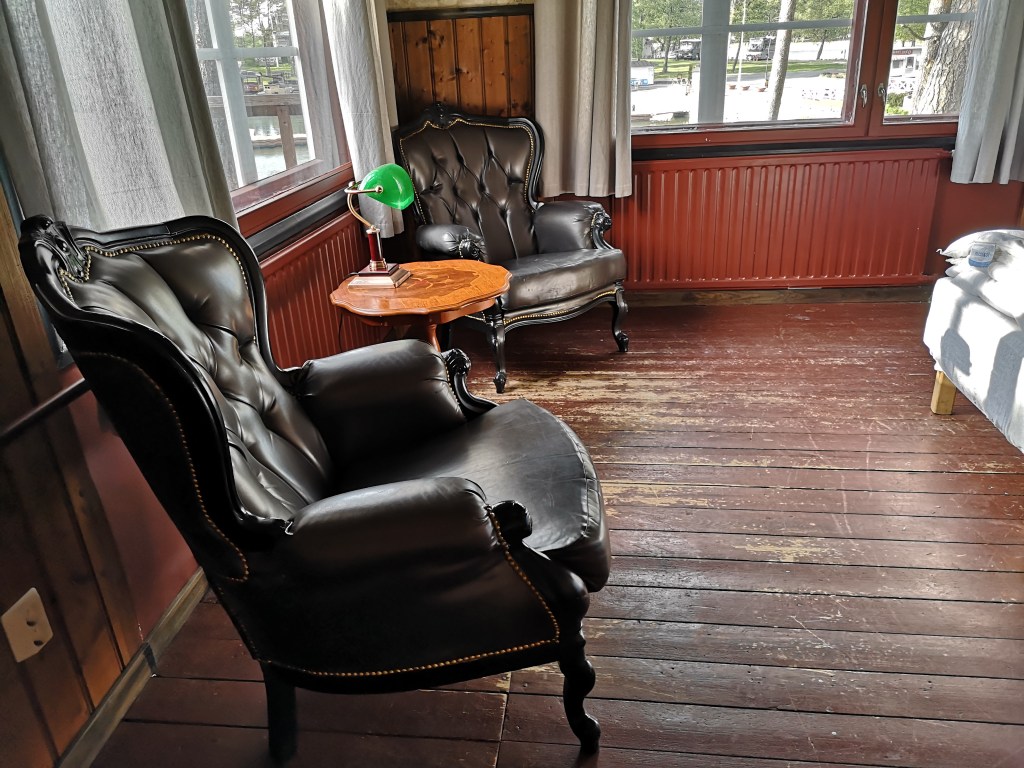
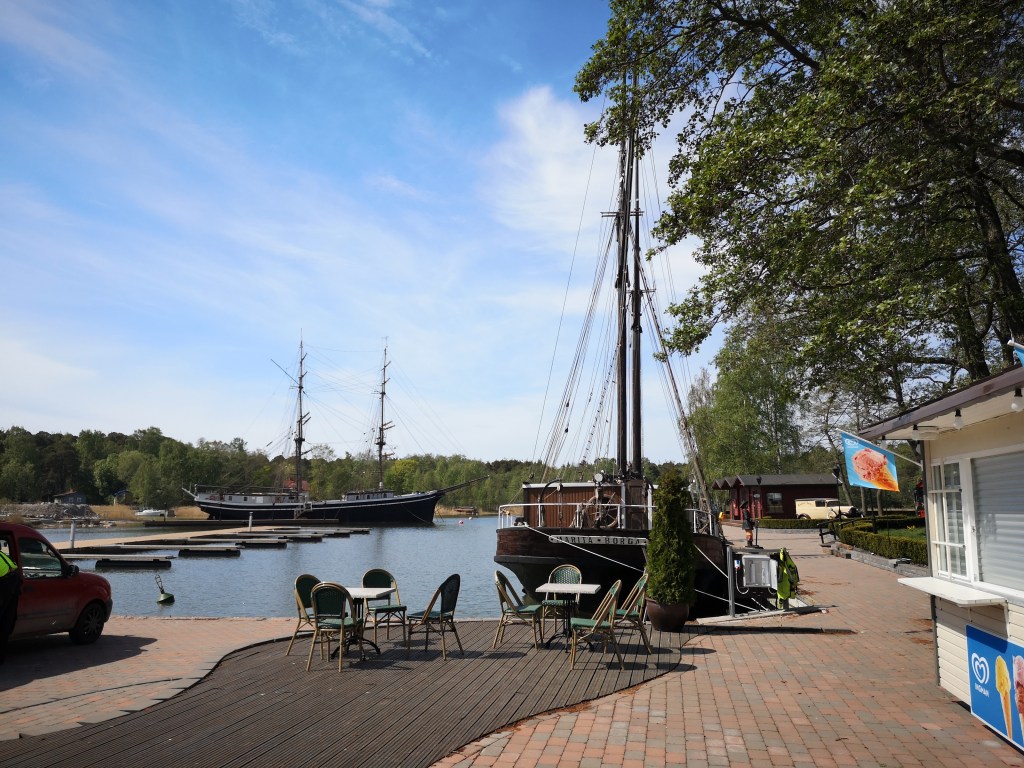
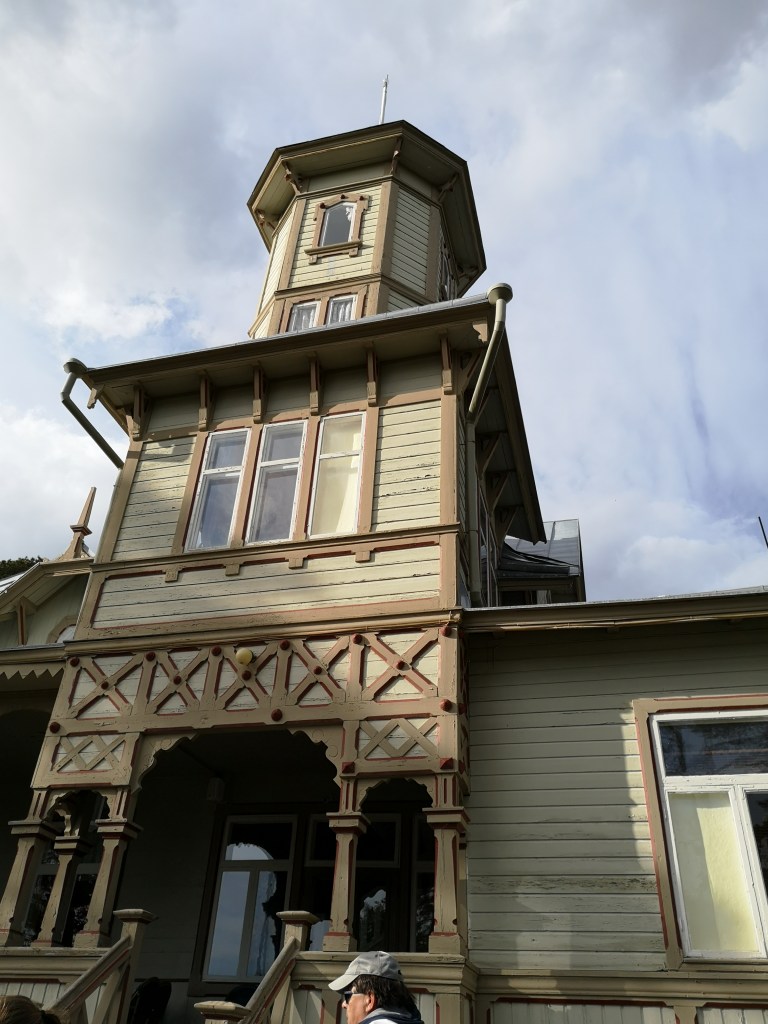
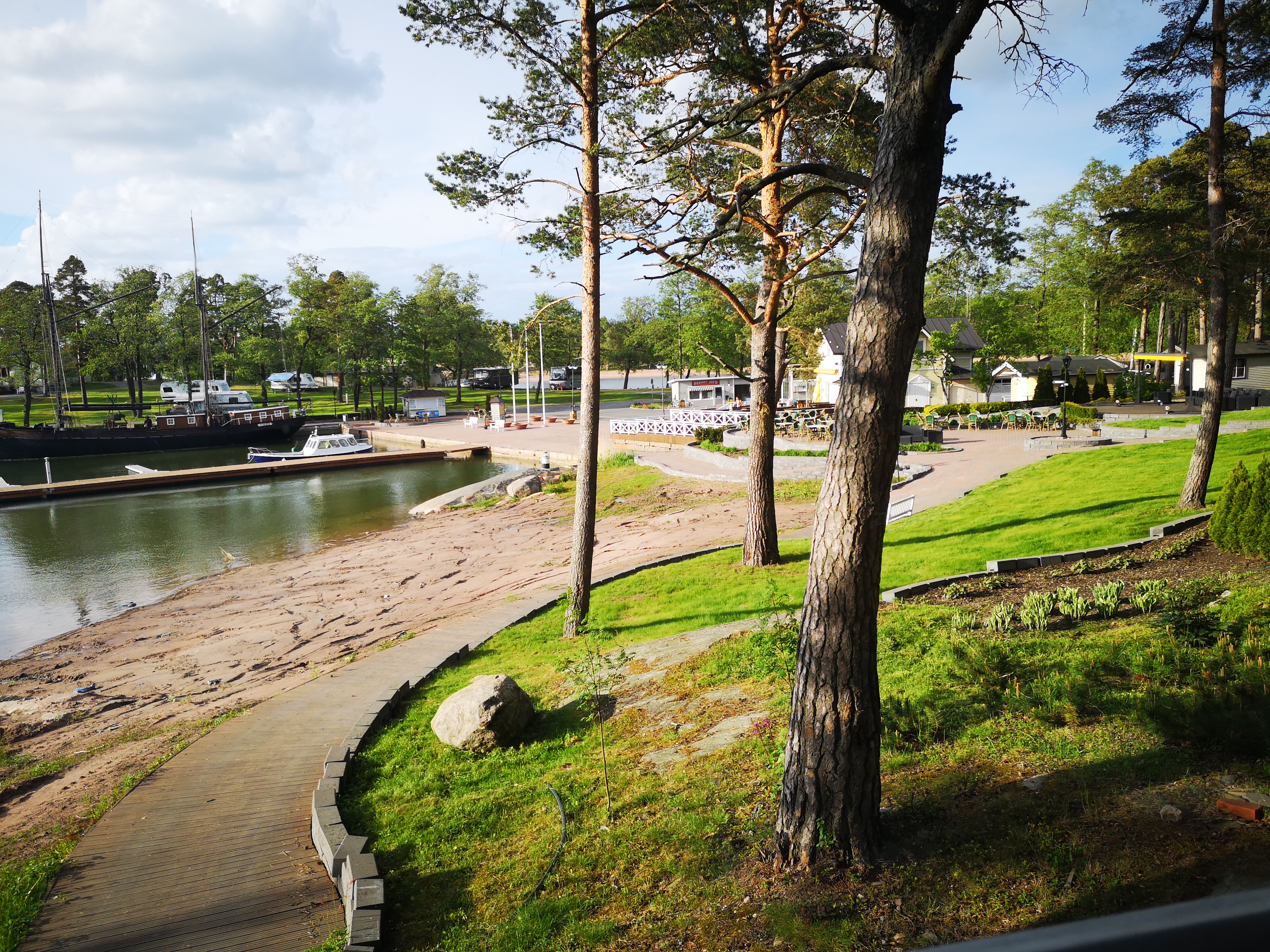
Not much is left to remind us of the spa time, except the renovated “outdoor terrace” of the Kaivonpuisto park that is now located at the Poroholma seaside area (left on the picture).
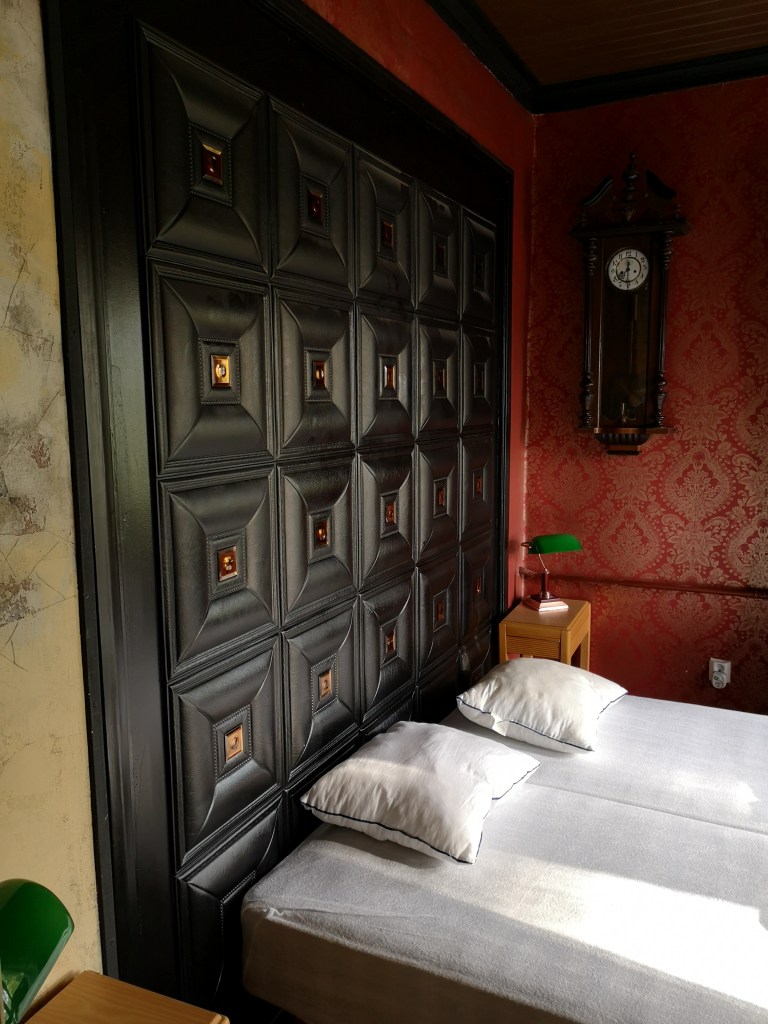
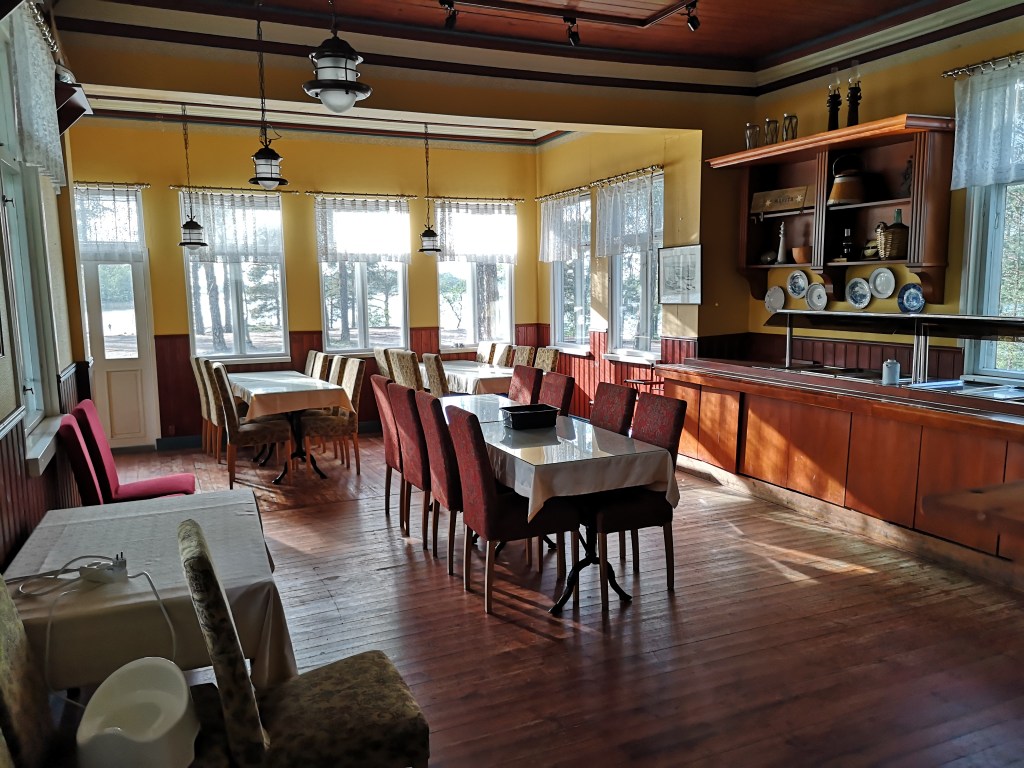
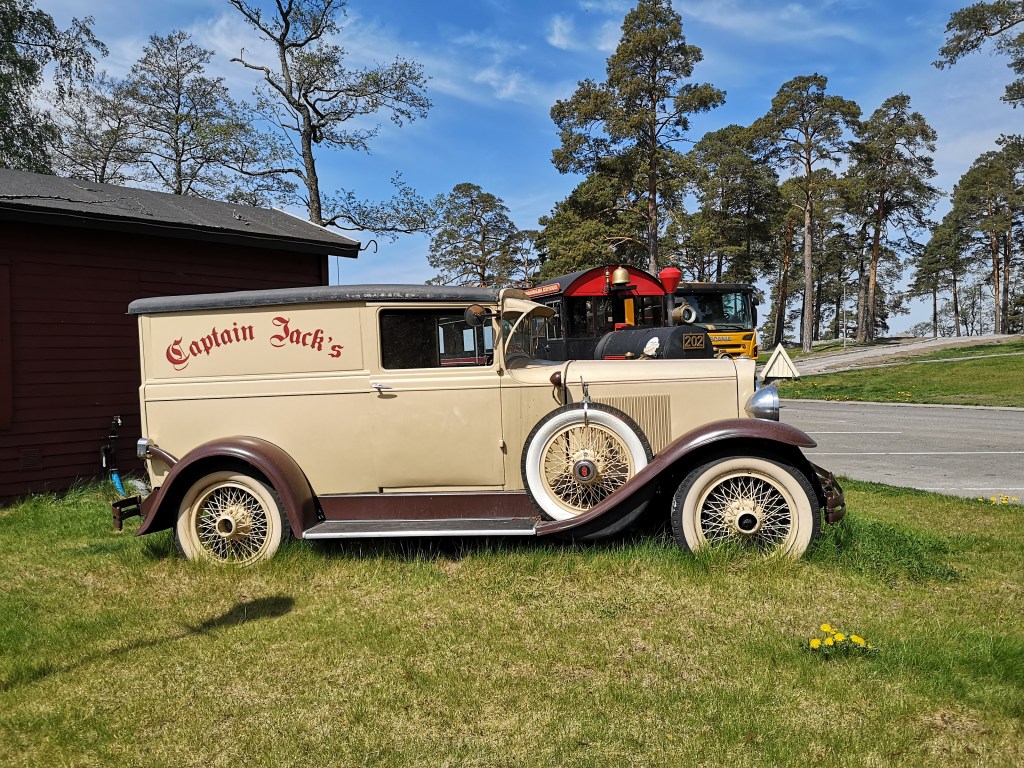
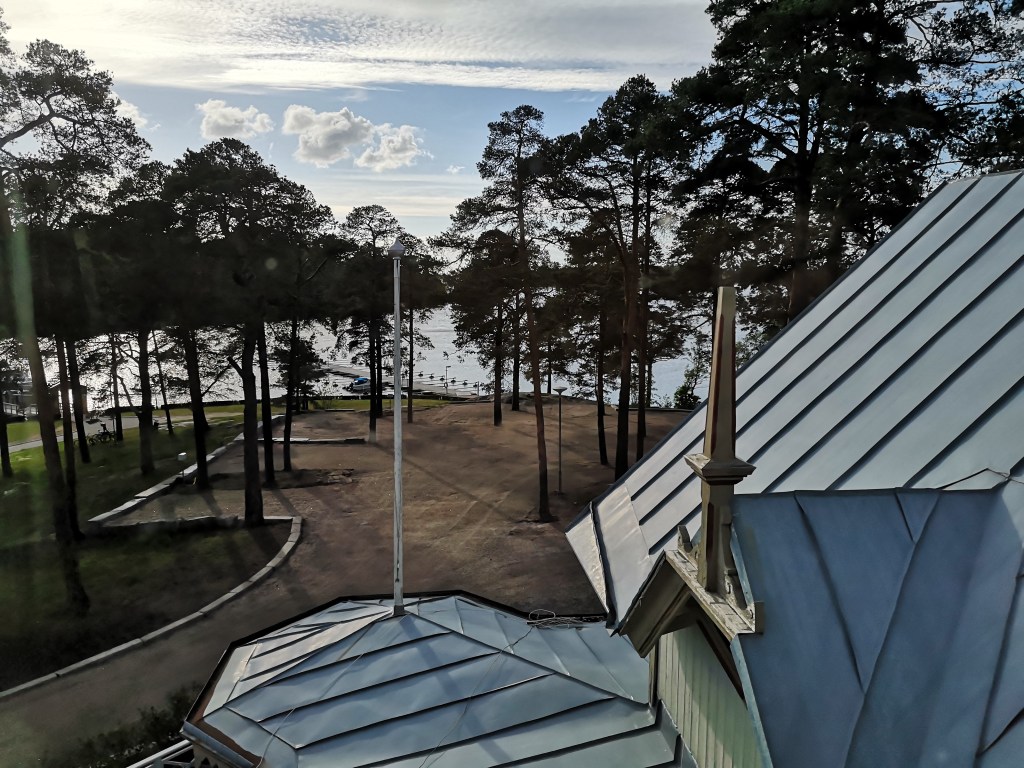
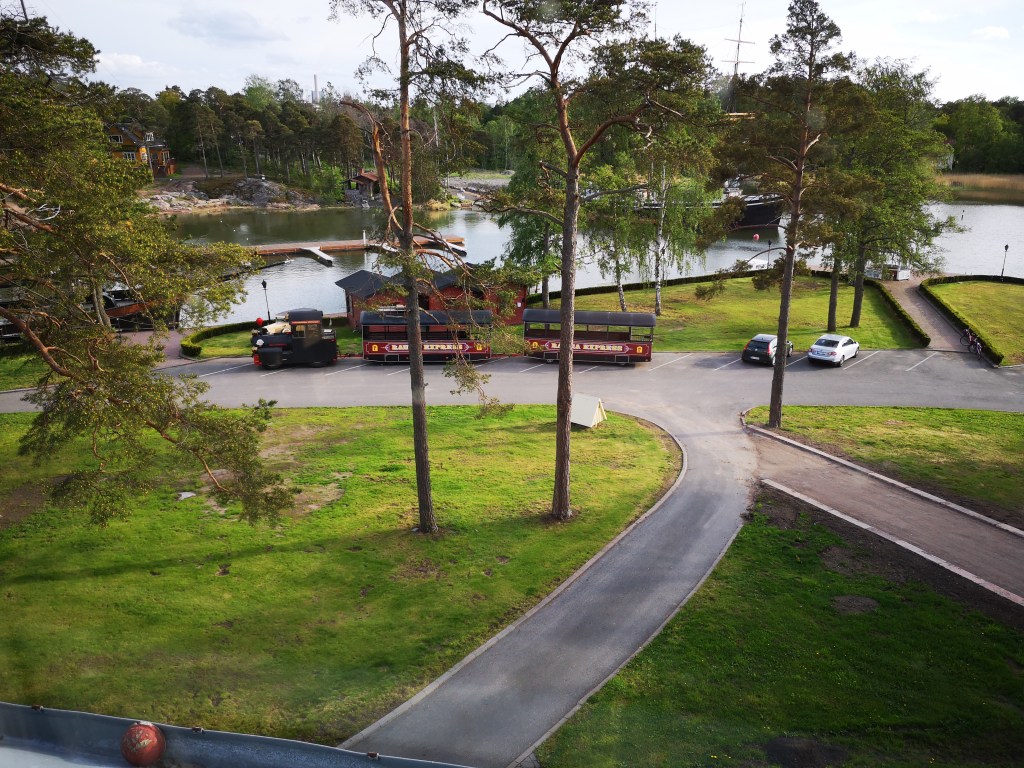
Poroholma is a 5 star camping area built around an old summer resort from 1880ies. The seashore has moved kilometers away from where it used to be near the old town border.
Although a seaside town, Rauma is rather an industrial town. Spa industry would bring more tourists and activity to the town all year round.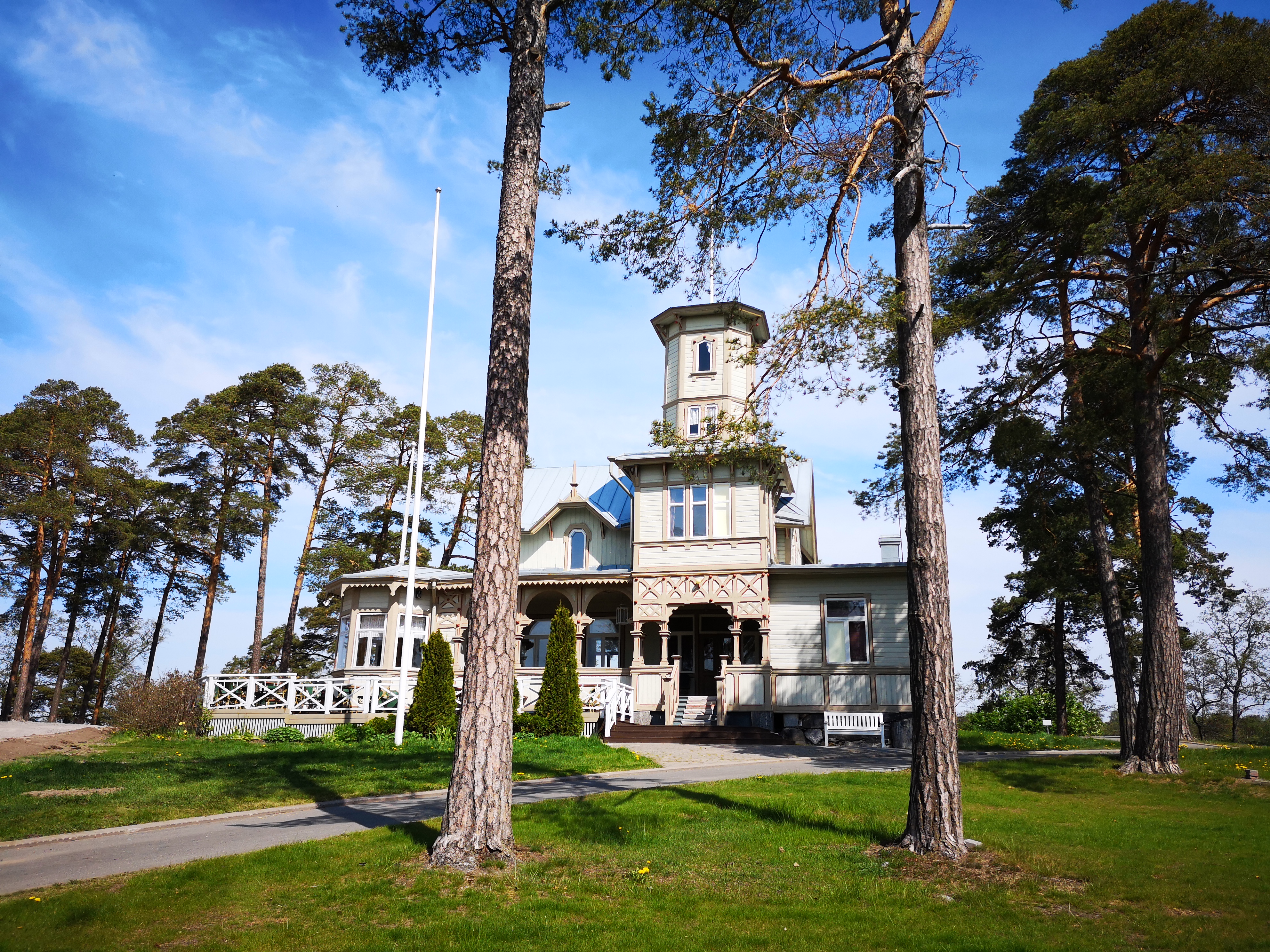
There is a famous 3-day festival on the St John’s Day that brings along 35 thousand young people at the end of June.
Raumanmeren juhannus – info
Read more here
More pictures here




Bronze age burial site
The archaeological site of Sammallahdenmäki consists of 36 stone burial cairns. Visit this place with a guide. It feels so peaceful in there. End up the tour with a lunch at Kivikylän Kotipalvaamo meat factory.
Sammallahdenmäk is located in Lappi, 20 km from Rauma City center (direction Tampere).
The site, dating back to Bronze Age, was inscribed on the World Heritage List in 1999.
The complex presents a good sample of different kinds of burial cairns used during the Bronze Age:
– low and round small cairns,
– large mound-like cairns,
– round cairns with stone circles.
Towards the west, one can catch a glimpse of reedy Lake Saarnijärvi, which was still an arm of the sea in the Bronze Age.
The best-known archaeological features of Sammallahdenmäki are: 1. the wall-like “Long Ruin of Huilu”
(measuring some 24 metres long by 8 metres wide).
2. the quadrangular “Church Floor
(unique in all of Scandinavia; a stone structure that resembles a flat floor and measures roughly 19 x 18 metres square).
There is so much more to it than the pure untouched nature! Listen to how the people lived those days. How they moved around when there were no roads. The stone piles were actually a sign to men on sea about the families who lived there.
What they ate and how they stored food for the winter. What their cottages were like. What they did on a spare time.
Just for a comparison, the world’s oldest shipwreck found recently dates back to 2400 years. You can see how the ships looked like those days. Imagine tradesmen come over to the rocky Finnish coast, selling bronze or metal tools or jewelry, asking for food or a bed in return. Or animal fur or skin. The locals always took a protective approach when seeing strange ships, in case people came with bad thoughts.
UPM paper mill
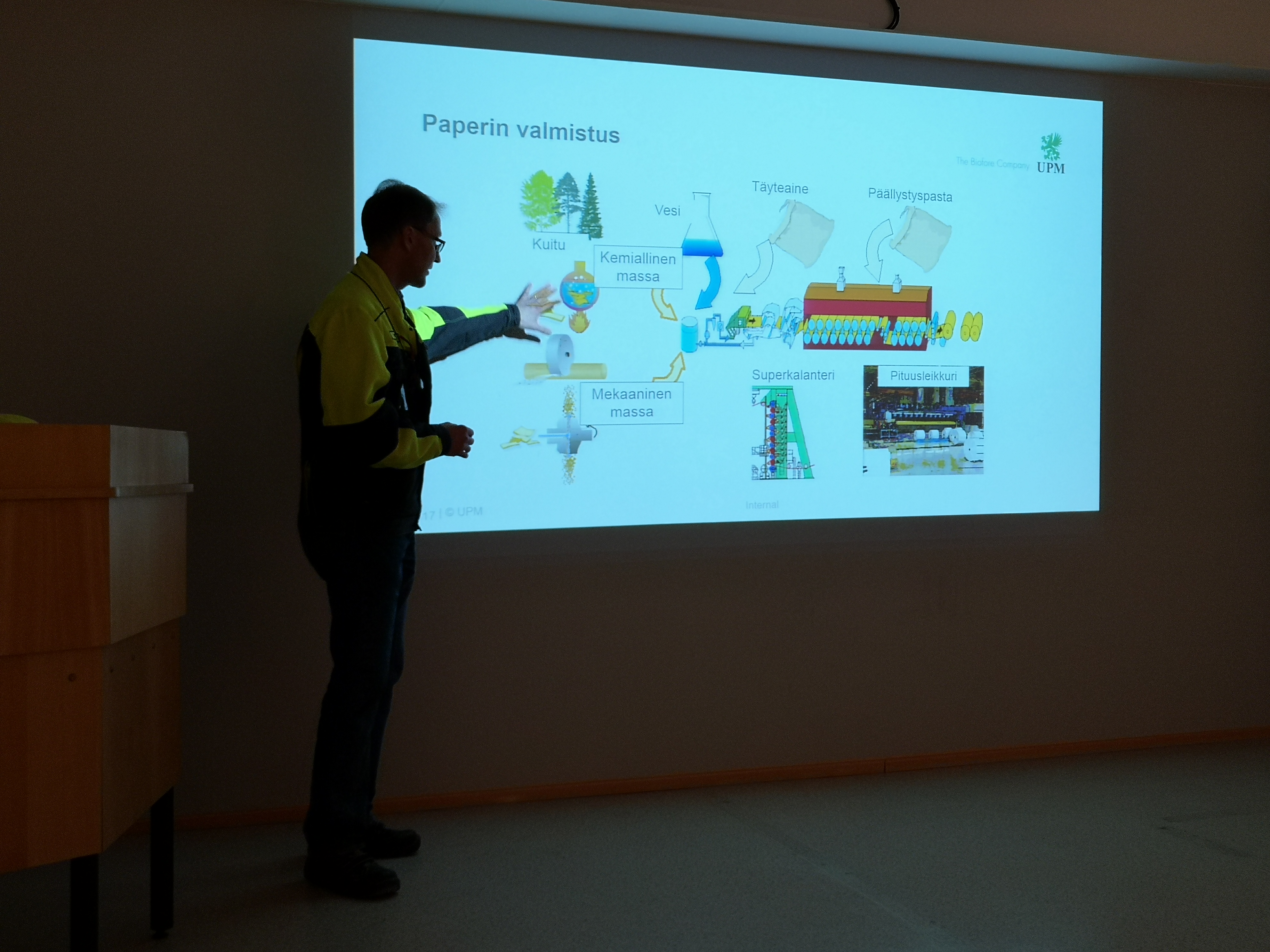
I am quoting a very nice article from the paper factory’s website, which says it all about the UPM Kymmenen paper mill, the energy production and the amazing waste management that they have in cooperation with the city.
The forest industry has been the cornerstone of the Finnish town of Rauma for over 100 years. The UPM Rauma mill has an indisputable role in sustaining the vitality and appeal of this small coastal town.
Each year, tens of thousands of tourists travel to the town of Rauma on the west coast of Finland. Rauma is most famous for its historical wooden house district, called Old Rauma, which is a Unesco World Heritage site. Amidst the district’s idyllic alleyways, houses and backyards, one can still sense the spirit of a medieval town.
Despite the historical surroundings, life in Old Rauma is as modern as in the newer parts of town. For example, all Rauma’s districts use district heating produced in the UPM Rauma mill site next to the town.
The forest industry has been the main source of income in Rauma for several generations. The town’s first saw mill was established in 1912 and a pulp mill followed soon after that. Rauma’s first paper machine started production in 1969. This strong start led into one of the largest concentrations of Finnish forest industry, that at one time employed up to 4000 people. Today, the traditional mill site consists of a paper mill, pulp mill, tall oil distillation plant and a power plant, which employ altogether over 700 people.
The UPM Rauma paper mill is mainly known for its three paper machines that produce coated and uncoated magazine paper for magazines, catalogues and marketing materials.
But there is more to the mill than paper: it generates heat, treats wastewater and creates stability for the town by providing reliable employment. The mill also collaborates with various other parties and helps attract other businesses to Rauma. A stone’s throw away from the historical centre of Rauma, there is a busy exportation port waiting for new freight to be transported all around Finland.
In 2014, over 5.5 million tonnes of goods were exported. Being close to the port creates clear savings for UPM. Instead of storing paper reels in the mill, the company transports them with specially designed trucks directly to the port warehouse to be loaded onto ships. “This arrangement improves our cost efficiency and competitiveness. The less the paper reels are handled, the less they get damaged. This is very important to our customers”, says Timo Suutarla, general manager at UPM Rauma.
Providing district heating and clean water for the town
Also located in the UPM mill site is the Rauman Biovoima energy company that generates district heating for the town and acts as its partner. It ensures that the people of Rauma have heating and warm water throughout the year. Over 99% of the district heating used by the town is generated locally next to the paper mill.
The power plant is among the top users of recovered fuel in Finland. It utilises forest residue from the surrounding region, commercial and industrial packaging waste and energy waste from Rauma.
In 2013, the power plant invested in recovered fuel usage by acquiring equipment to improve the receiving, handling and storing of recovered fuels. Thanks to its investment, the plant has been able to replace almost all imported fossil fuel with renewable Finnish fuels. Using domestic fuel creates savings, thus further increasing UPM Rauma’s cost efficiency. In addition to district heating, Rauma also benefits from the mill’s wastewater treatment plant.
In addition to its own, UPM Rauma treats all wastewater produced by the town. The figures are dizzying: the plant can process 1.2 cubic meters of wastewater in a second. This means that the average annual wastewater created by one household can be treated in one minute.
Word of the exceptionally efficient wastewater treatment has reached other businesses as well. “HKScan, a large Finnish meat processing company, decided to construct their new poultry processing facility in Rauma partly because of the wastewater treatment plant”, says Suutarla.
The efficiency of the plant is demonstrated by the environmental status of the Sea of Bothnia, which has in recent years seen significant improvements. The positive change has also been widely noted among high-ranking Finnish policy makers. However, those who take most pleasure in the healthier sea are the ordinary people who have cottages or boats on the coast — and in this historical marine region, there are plenty of them.
Important wood buyer and employer
The Rauma paper mill’s annual production capacity is nearly 1 million tonnes of paper. This requires plenty of raw wood material, which is almost exclusively sourced from Finland, mainly from areas around Tampere and Turku.

“Finland’s forests grow by approximately 100 million cubic metres a year. Rauma has an important role in its utilisation, as we annually use about 1 million cubic metres of the new growth”, Timo Suutarla says.
Wood sourcing has a notable effect on employment in various fields, including transport, forest planning and clearing. UPM Rauma employs 520 people directly and over four times more indirectly.
In Rauma, everybody knows somebody who works at the paper mill, and it has often provided livelihood for many generations of local families.
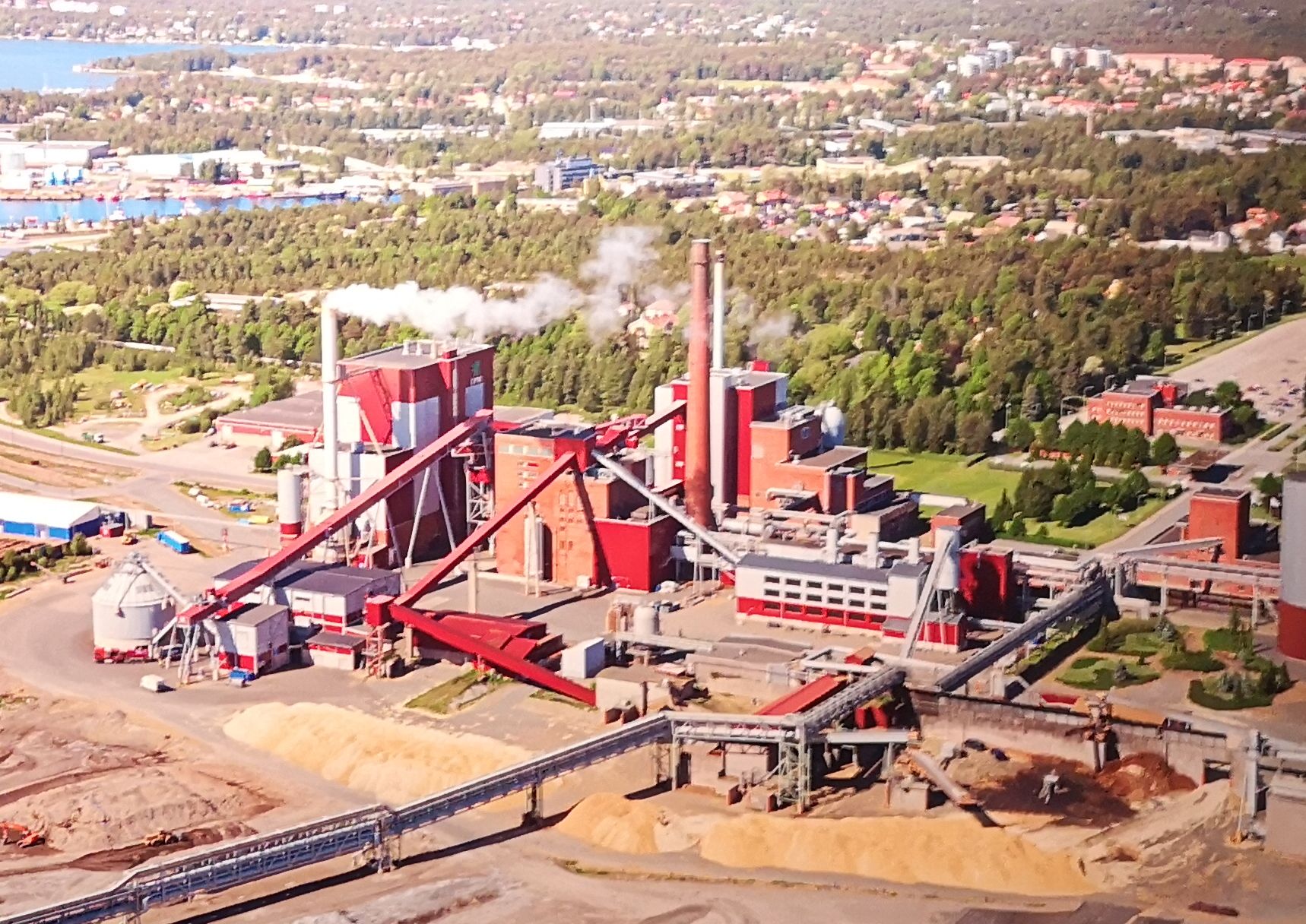
UPM Rauma
- Production capacity: 970,000 tonnes of paper 150,000 tonnes of fluff pulp PM4 is Finland’s largest paper machine.
- Raw materials in paper production: Over 1.3 million cubic metres of spruce and 165,000 tonnes of pulp annually
- Employees at the mill site: 720. Indirect employment effect of UPM Rauma: 2,100
SOURCE: https://www.upm.com/news-and-stories/articles/2016/07/the-giant-of-rauma/

The company logo, the griffin, was designed by Hugo Simberg in 1899. It is probable that the griffin was chosen as the company logo because it represents a guardian of the northern forests. The griffin logo is the oldest continuous company logo in Finland.
UPM stands for the United Paper Mills.
Bobbin lace
The South West town of Finland, Rauma, is known for its bobbin lace history from the mid 17th century onwards. Why? Not only women, but also kids and old men participated in lace-making. Seamen would do it when bored on long trips.

Rauma was known as a lace making town and in its peek time almost all women in Rauma made laces, which were known for its high quality and the finest yarn from Netherlands. Out of 1500 inhabitants 200-300 had it as a profession. The other professional Finnish lace-makers were from the town of Orimattila and Tytärsaari island.
We do not know when and how lace making started in Rauma. The knowledge might have come with the seamen, the Franciscan monks or the noble Dutch woman. In historical documents lace-making in Rauma is first mentioned in 1740’s.
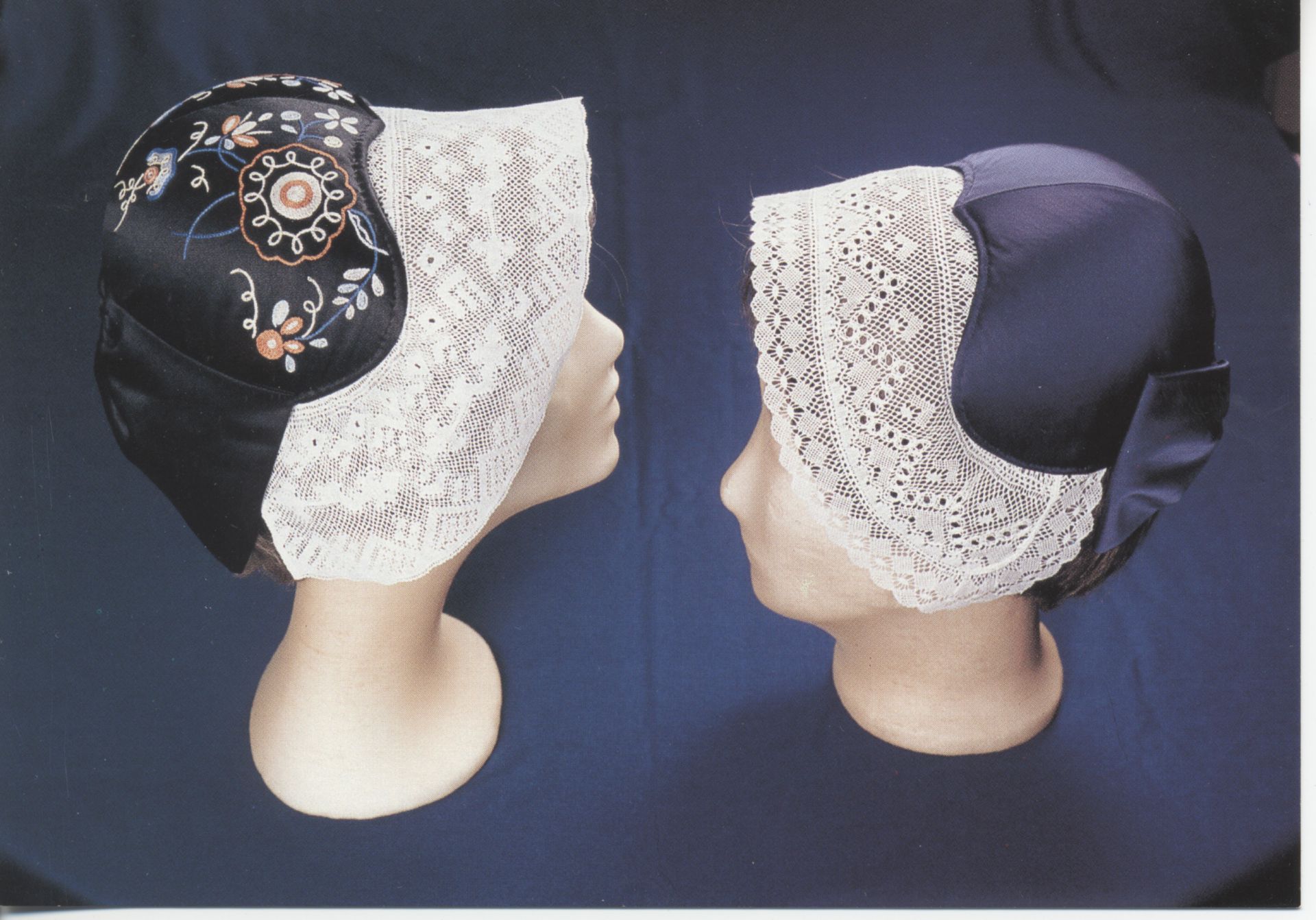
The fashion of lace trimmed cap (called tykkimyssy in Finnish) created a high demand for the lace starting from 1700’s into the beginning of the 1800’s. The peak time was the end of 1700’s and beginning of 1800.
At the end of 1700’s lace was popular and sold to such Finnish regions as Pohjanmaa in Western FInland, Hämee and Uusimaa in the South of Finland near Helsinki. In 1807 it was exported to Sweden, Norway, Russia and Copenhagen.
It went out of fashion in 1840’s with the noblewomen because of the new hairstyle. Old women in rural areas were the last to wear the lace trimmed cap on church visits til the end of 1800’s.
Thereafter the main use of lace was in bed linens, pillow slips and tablecloths. But those were not profitable enough to make, so the business of bobbin lace making started to regress. In 1890’s lace was made in factories and Sabina Lundström was one of the few professional lace makers left in Rauma.
In 1901 an architecture student Carl Frankenhaeuser was researching the Rauma church. As he went home in Porvoo and told his mother, a well-educated widow Thella Frankenhaeuser, about the regress of the nice Rauma lace, the woman took great interest in enlivening the lace-making. She got new lace samples and yarn to Rauma women. Years later another organization took over her role as a mediator of Rauma lace and started schooling the lace makers as well (1920 til the war started in 1940).
In 1948 a society of Rauma amateur lace makers was established (Nyplääjät ry), which takes care of preserving the traditions. Rauma Adult Education Center organizes the lace making courses these days.
RAUMA LACE WEEK 2019
This year the festival takes place between Saturday 20th and Sunday 28th of July, 2019.
Next year Rauma is celebrating Rauma Lace Week for the 50th time!
The city is filled with exciting events and exhibitions throughout the 9 festival days. The Lace Week consists of 50 exhibition destinations, children’s programme, concerts and live music, all kinds of live performances, handicrafts and arts, traditions and history, wellness and sports events, street markets and the city carnival Night of the Black Lace.
One of the highlights of Lace Week is a friendly battle in which contestants vie for the title of the town’s fastest lace-maker.
Initially, Lace Week was a set of exhibitions during which skilled bobbin lace-makers could display their works, but it has since developed into a wide-ranging communal event.
The most anticipated event of the week is the Night of the Black Lace, when market stalls and merry locals fill the streets of Old Rauma. The warm evening air is filled with the cheerful chatter of friends and music from lively dance halls and outdoor concerts. All shops and boutiques in the Old Rauma area have longer opening hours, and it’s also a busy night for bars and cafés.
Most of the festivities take place in the heart of Old Rauma. The program of the lace week .
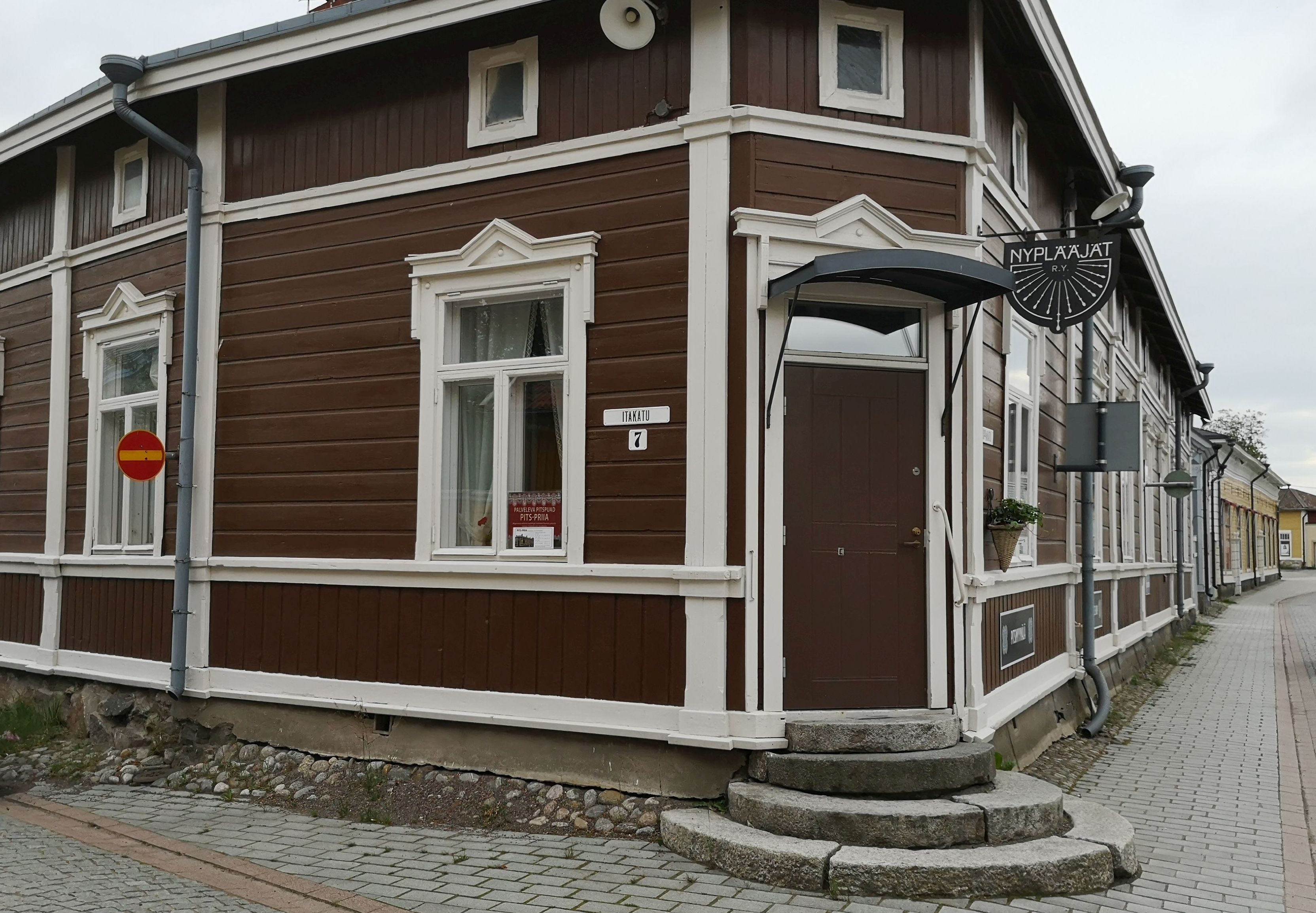
The lace shop of Rauma (see here) Pits-Priia is located at Kauppakatu 29. The shop is open on Saturdays throughout the year from 10am to 2pm, and weekdays during the summer months from 10am to 3pm. The shop sells lace products, gifts and equipment for lace makers. There is an exhibition of lace art and you can see a lace maker at work. Another place to learn about the lace history is the Raatihuone (town hall of Rauma) and the nearby Marela house museum. Vanha Rauma is relatively small ( 29 hectares) and every place can be called “nearby”.
Read more from here
Rauma in nutshell
The city of Rauma was founded in 1442, that is 50 years before Columbus found America 🙂
It is the third oldest city in Finland (after Turku and Porvoo).
It is the 27th town in size with its 40,000 residents.
Rauma is a home to 2 Unesco World Heritage Sites such as ..
1. a unique Nordic wooden town Old Rauma
2. a Bronze Age burial site Sammallahdenmäki
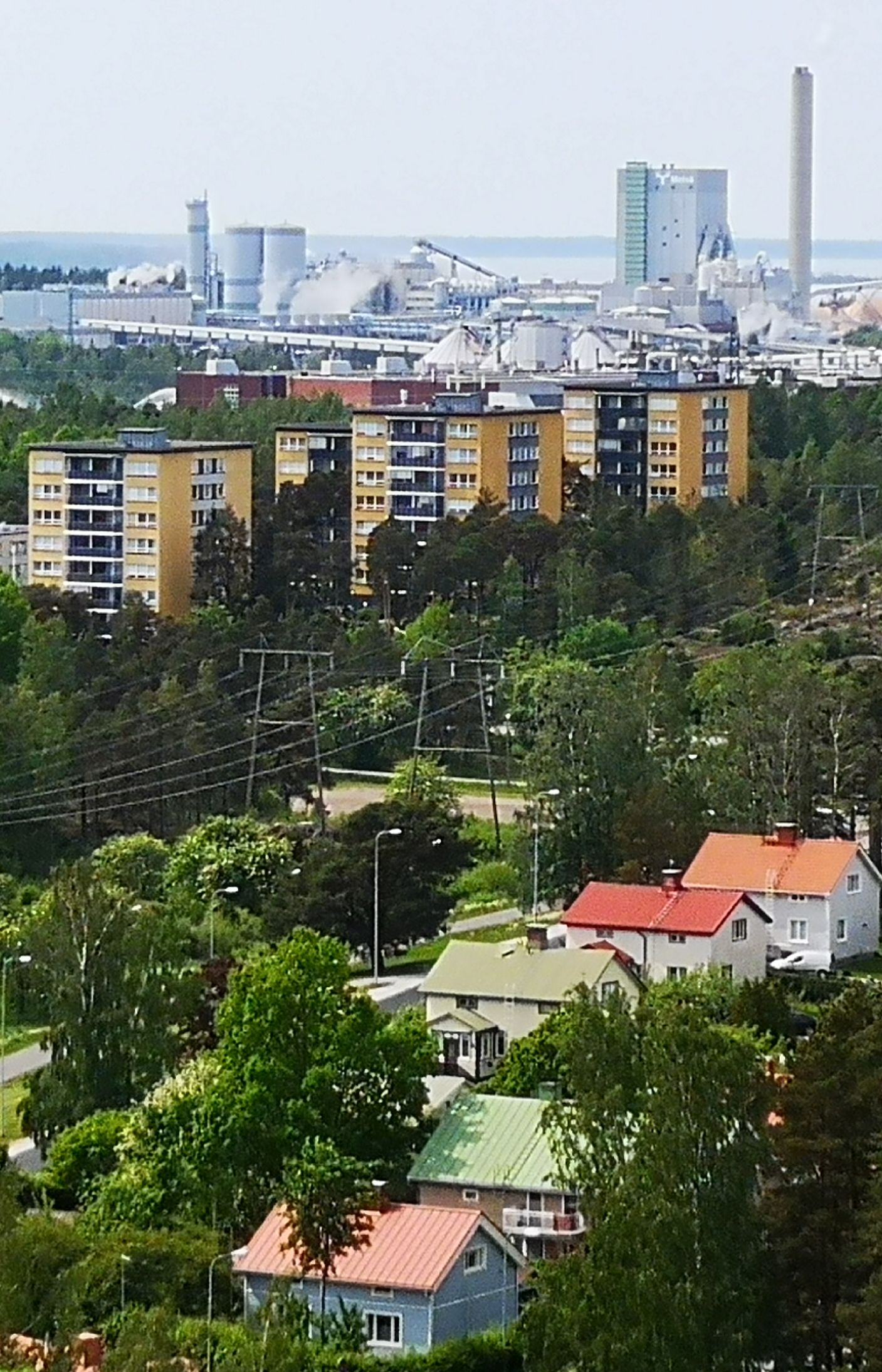
Other numbers:
- Land area 495 square kilometres, sea area 626 km 2
- Distances: Helsinki 240 km, Tampere 140 km, Turku 92 km, Pori 50 km
80 inhabitants per km2 land - 114 Swedish-speaking, 0.3 % of population
- 1710 other nationalities, 4.3 % of population
- Workplaces 15 862 (2016)
- Enterprises 2 200 (2017)
- Biggest employers:
City of Rauma,
UPM Communication Papers,
Kongsberg Maritime Finland (before Rolls-Royce Oy Ab),
Euroports Rauma Oy,
Osuuskauppa Keula (in Fin),
Oras Oy - Unemployment rate 9.1 % (31.12.2018)
- Municipal tax rate 20,0 (2019)
Welcome to Rauma!
Summer holiday started on the S-W coast of Finland and I just graduated the Rauma tour guiding course!
Come visit Rauma for business or pleasure. Contact me to be your guide! I show you the historically old (UNESCO) town or introduce you to local businesses. Business agent (my nickname is brilliant fixer) and a tour guide, both same person? Yes I can! See more here
 Rauma private guide / Rauman opas